
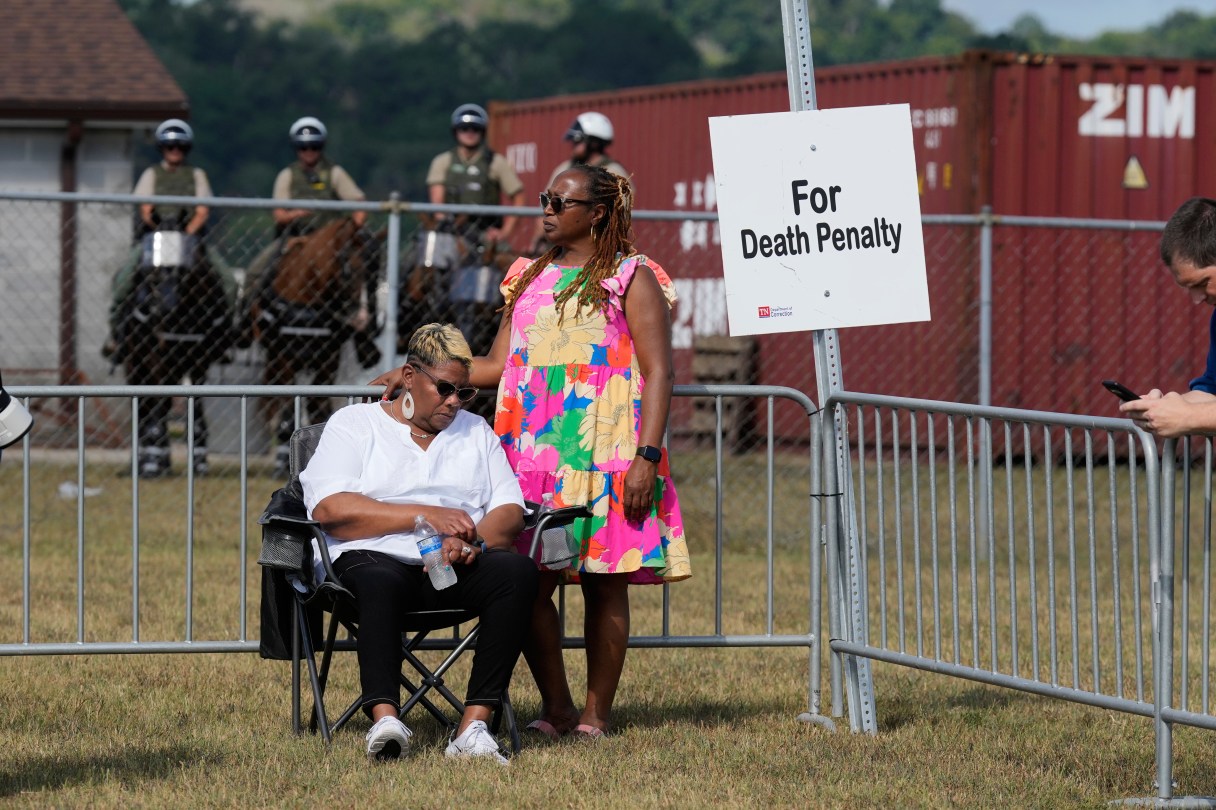
A Tennessee man who said he was “hurting so bad” during his lethal injection this week for the 1980s killings of his girlfriend and her two young daughters was not shocked by his implanted defibrillator, his attorney said Friday.
Kelley Henry, the federal public defender for Byron Black, said her team received an initial evaluation of the data from his implantable cardioverter defibrillator.
The ICD information eliminates one possible cause for Black’s comment about pain during his execution Tuesday, and other actions such as when he picked his head up off the gurney and groaned, she said. But many questions remain unanswered, she said.
“Make no mistake, we all saw with our own eyes that the pentobarbital did not work like the State’s expert testified that it would,” Henry said in her statement, referencing Tennessee’s execution drug, pentobarbital. “Mr. Black suffered.”
Black was executed after a back-and-forth in court over whether officials would need to disable his ICD due to claims it might cause unnecessary, painful shocks to try to fix his heartbeat as the drugs were administered, potentially prolonging the execution.