Teacher residency program continues after federal funding cuts
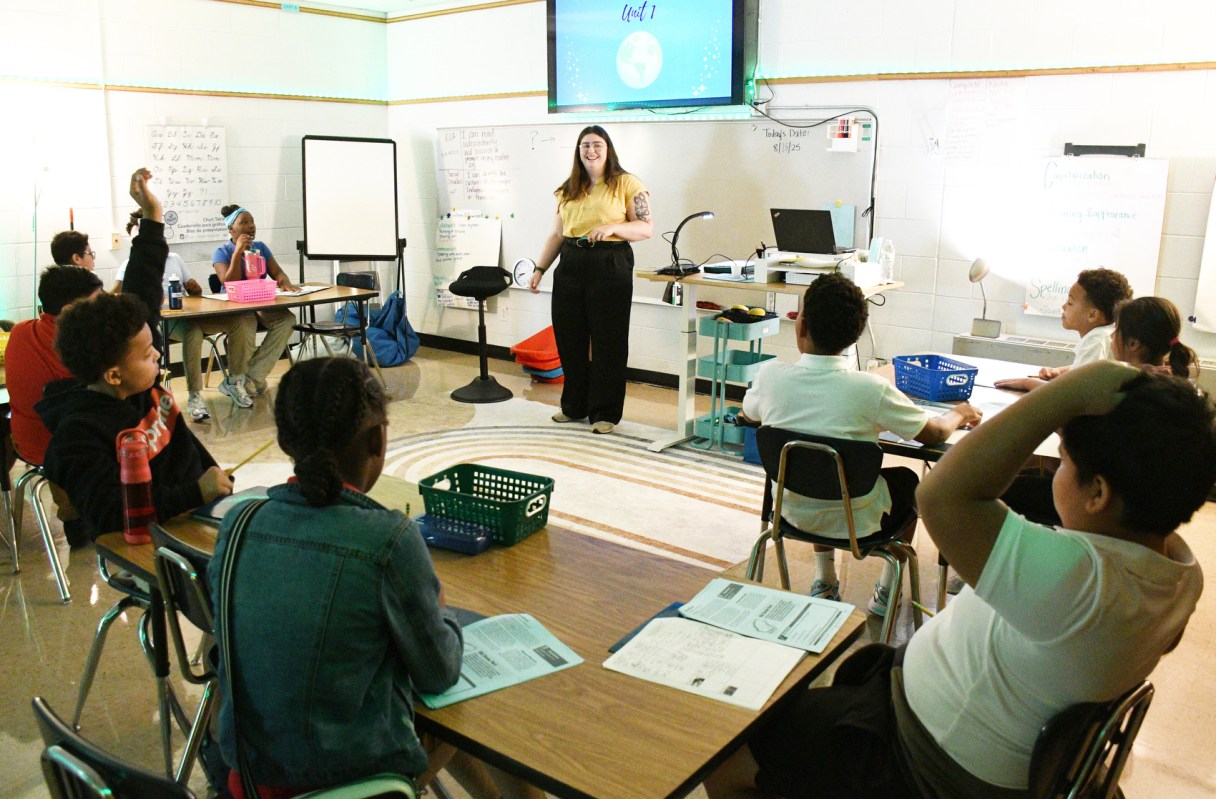
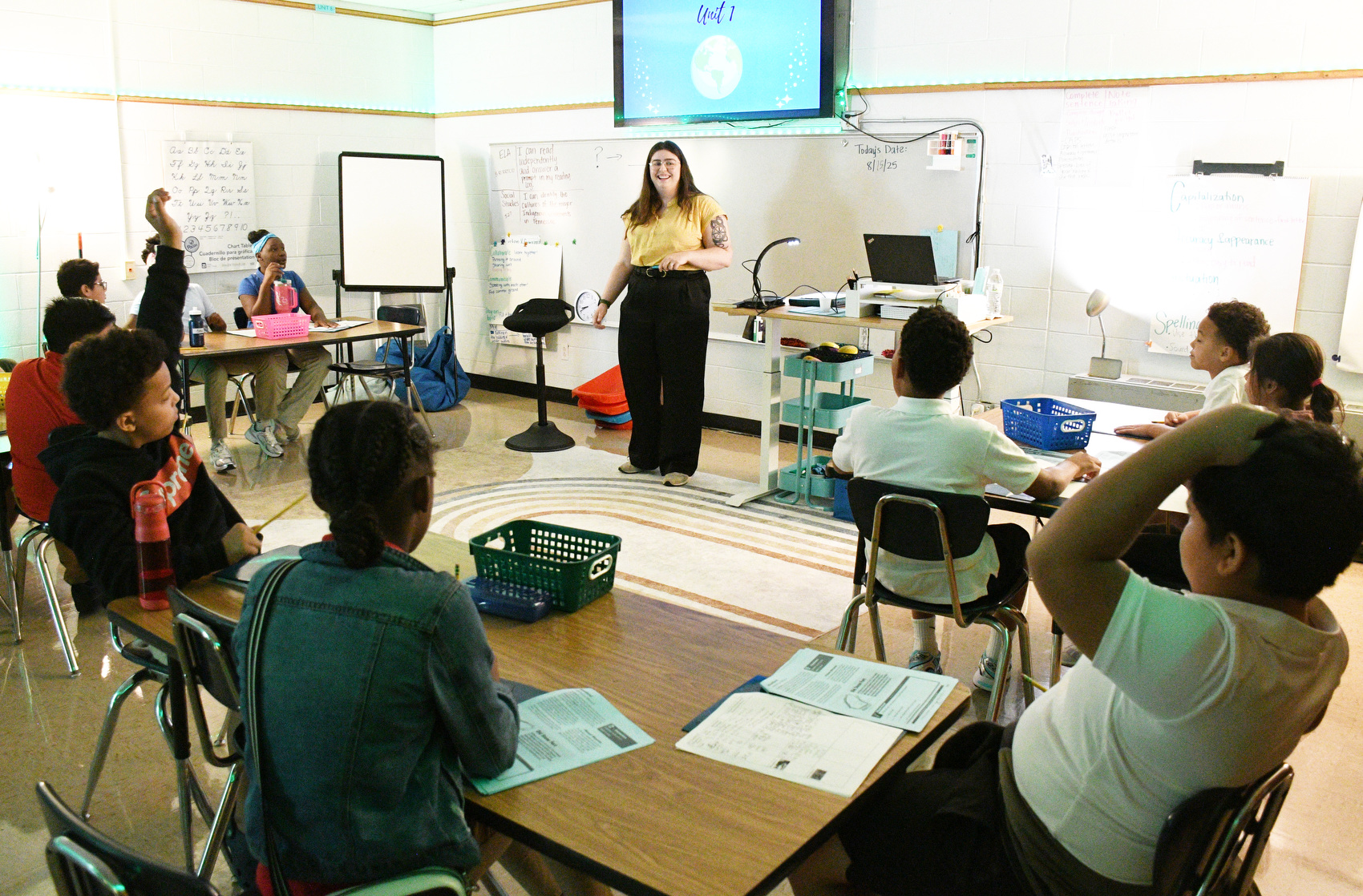
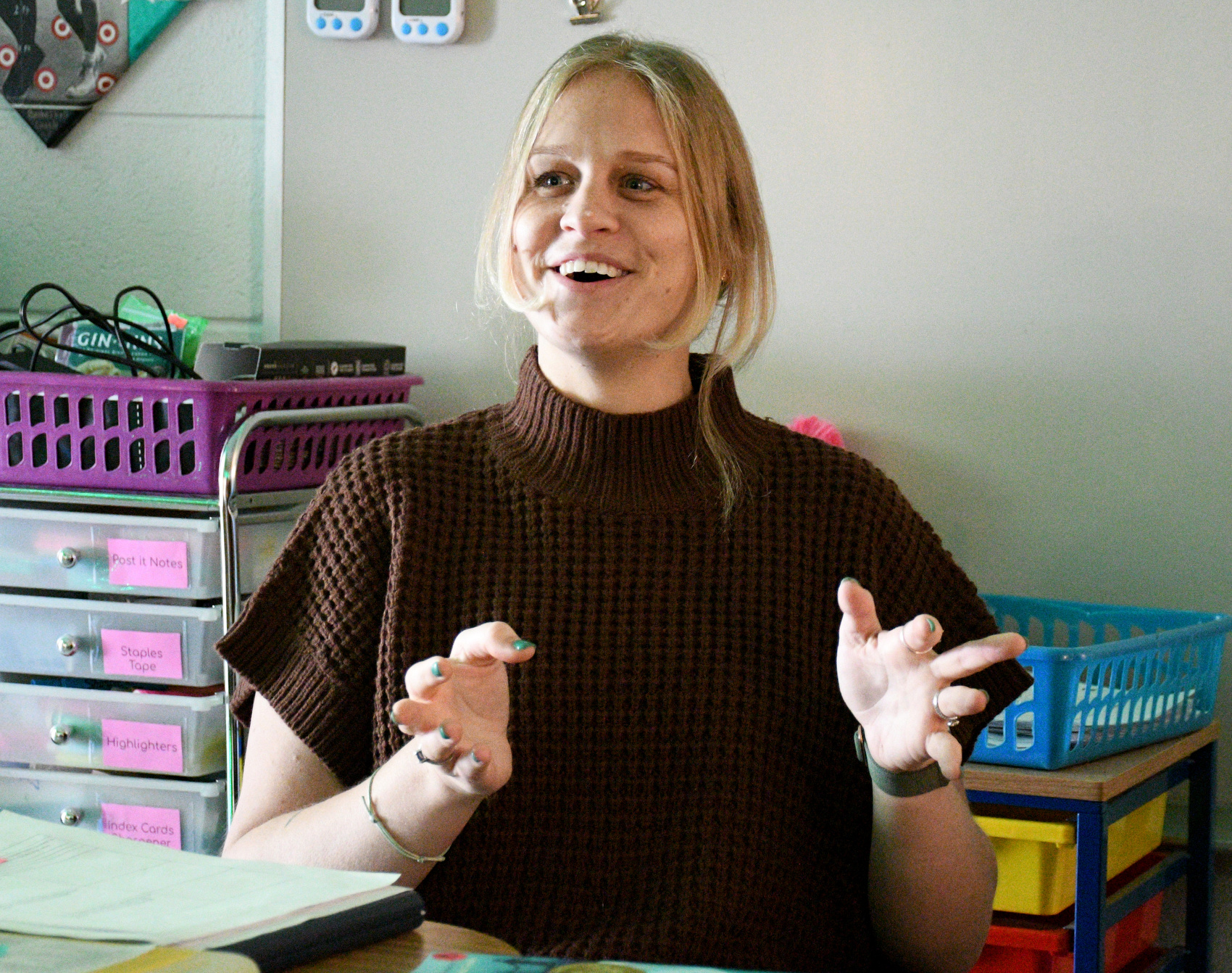
Staff Photo by Robin Rudd / On Aug. 15, 2025, resident teacher Rachel Sheplak-Colley asks questions of a class at Woodmore Elementary. The Public Education Foundation's teacher residency program, Project Inspire, had its AmeriCorps funding suddenly cut in the spring. The community rallied to make sure the program could continue. Staff Photo by Robin Rudd / On Aug. 15, 2025, resident teacher Rachel Sheplak-Colley asks questions of a class at Woodmore Elementary. The Public Education Foundation's teacher residency program, Project Inspire, had its AmeriCorps funding suddenly cut in the spring. The community rallied to make sure the program could continue.
By Shannon Coan 9 min read
Hands shot into the air as Rachel Sheplak-Cooley quizzed students on Tennessee’s major indigenous settlements.
Woodland people made smooth and decorative pottery, one fifth grader at Woodmore Elementary said. Another recalled that the paleo people were nomadic hunter-gatherers.
Then, Sheplak-Cooley shifted gears, directing students to read aloud a passage about the Mississippian period and fill in a chart with the time period and examples of settlements.
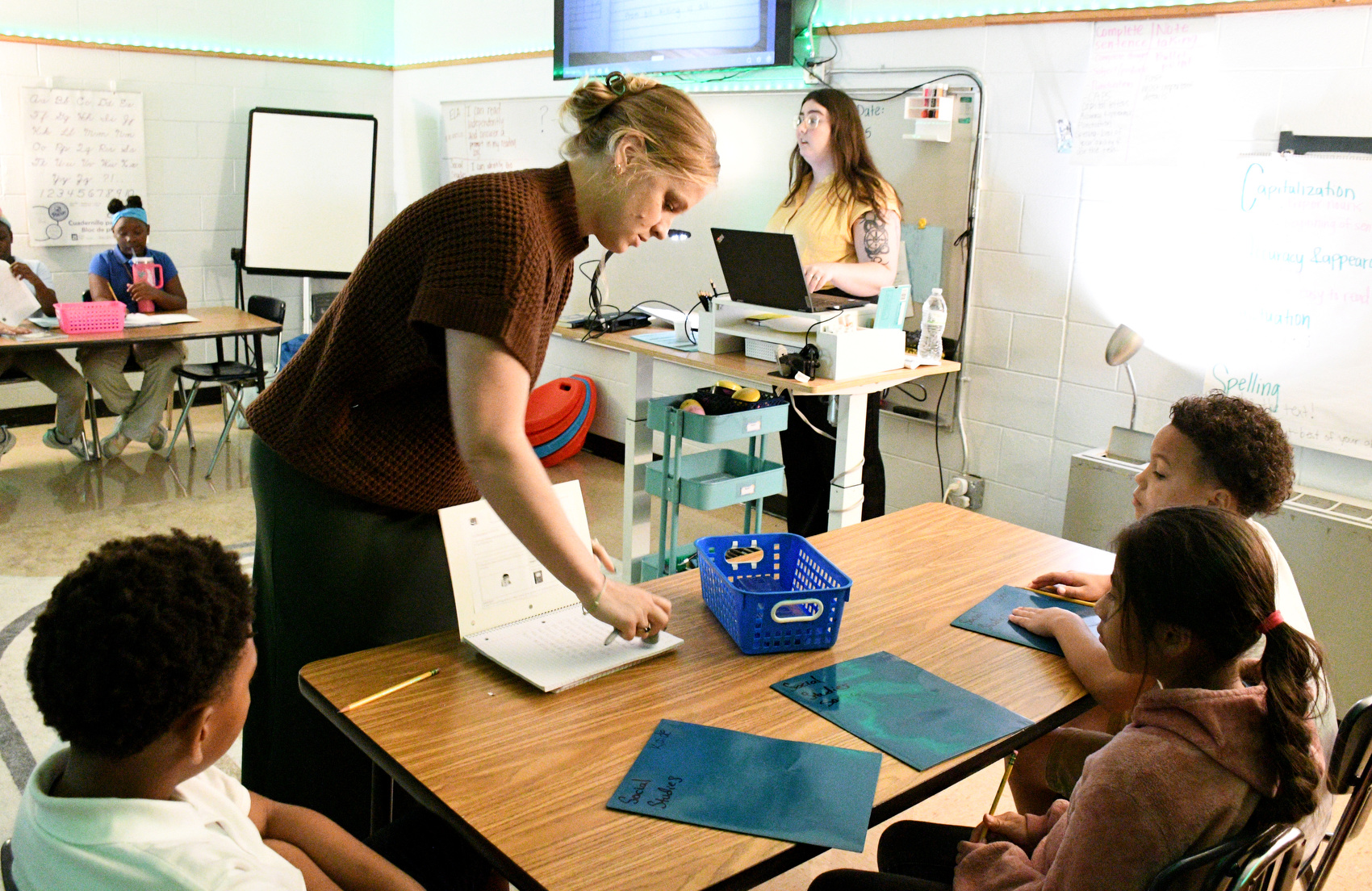
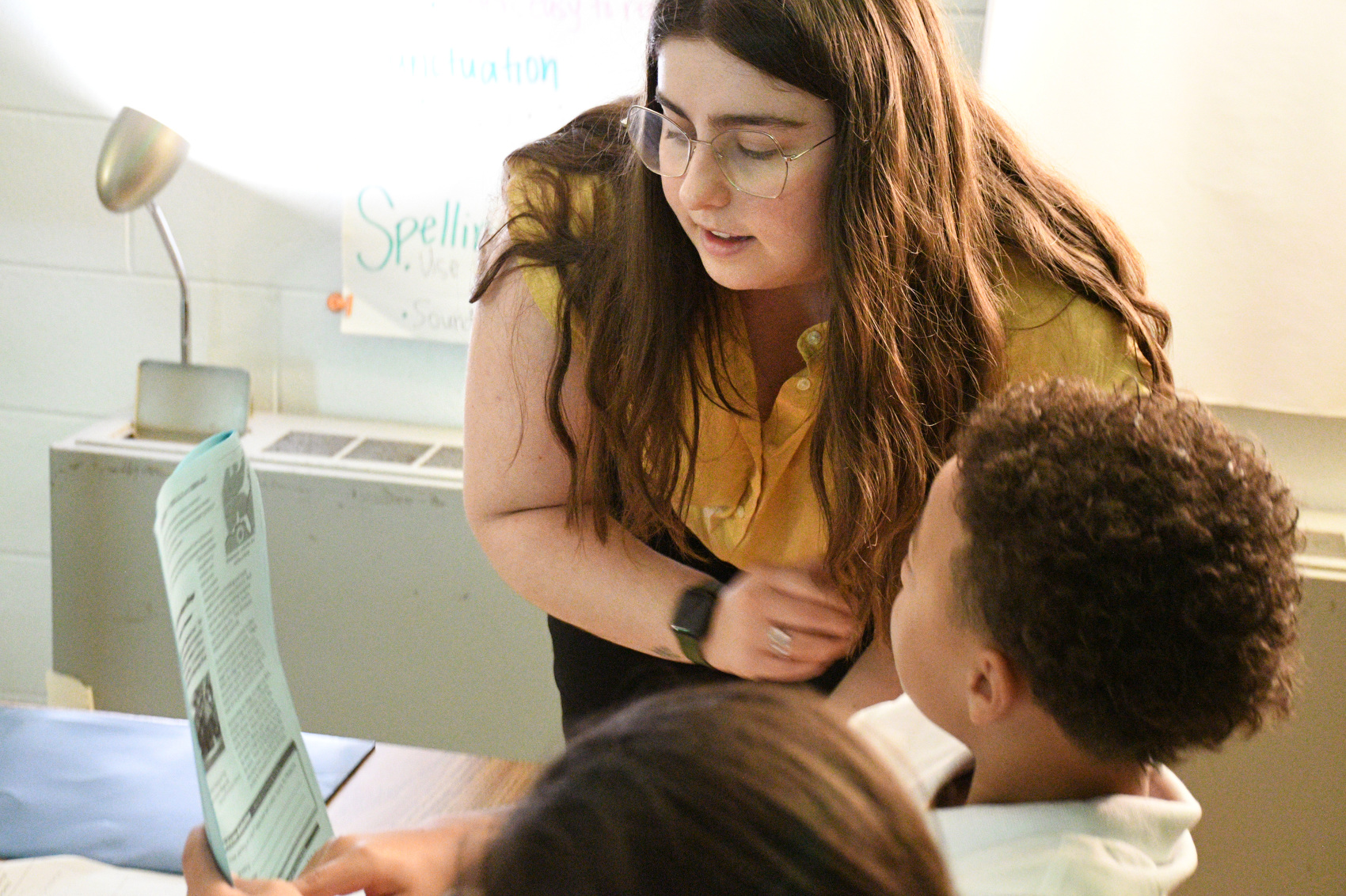
She walked around the classroom, occasionally praising groups for what they were doing well or crouching to desk level to help students. Across the room, Callie Barrett was similarly moving from one table group to the next.
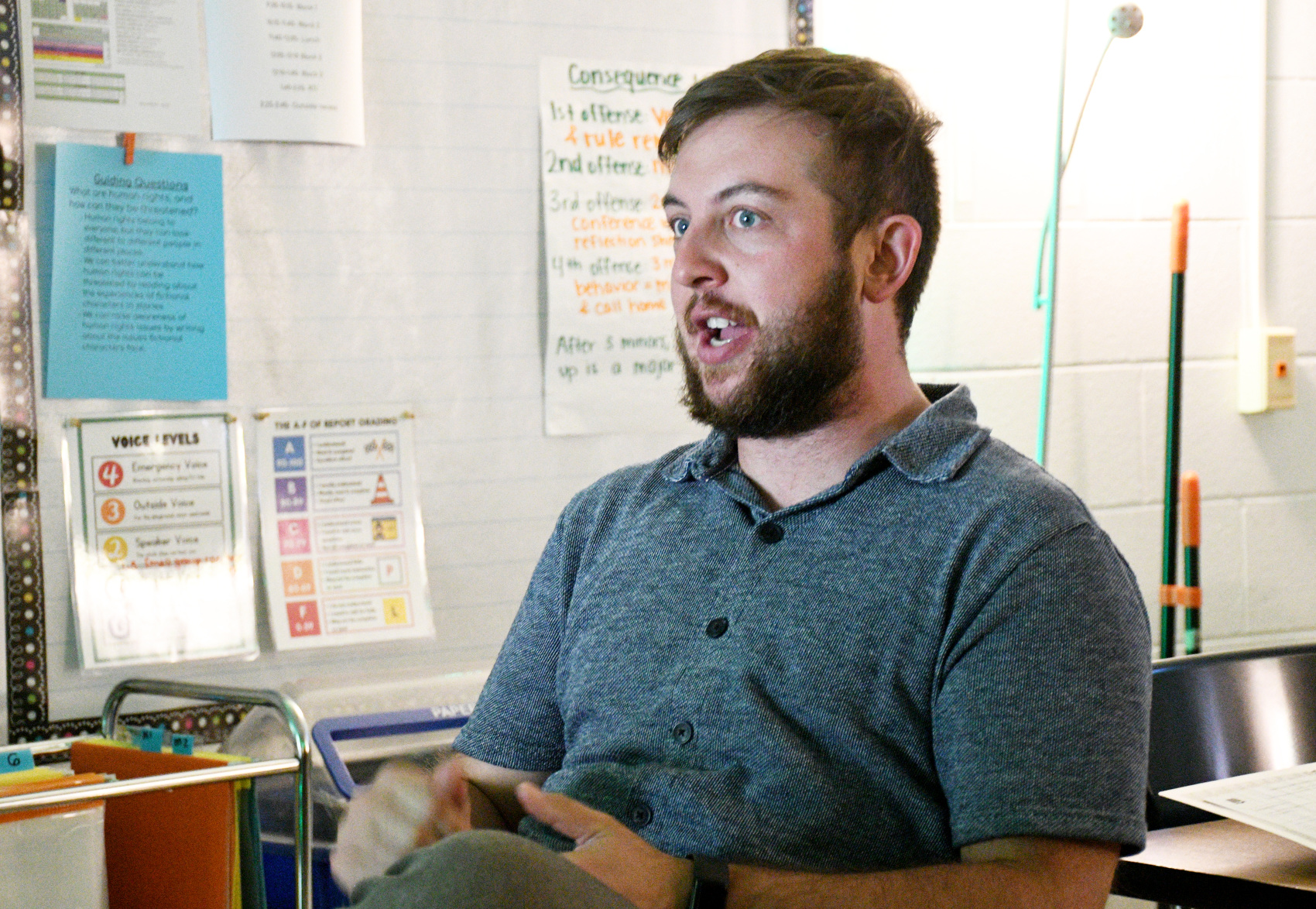
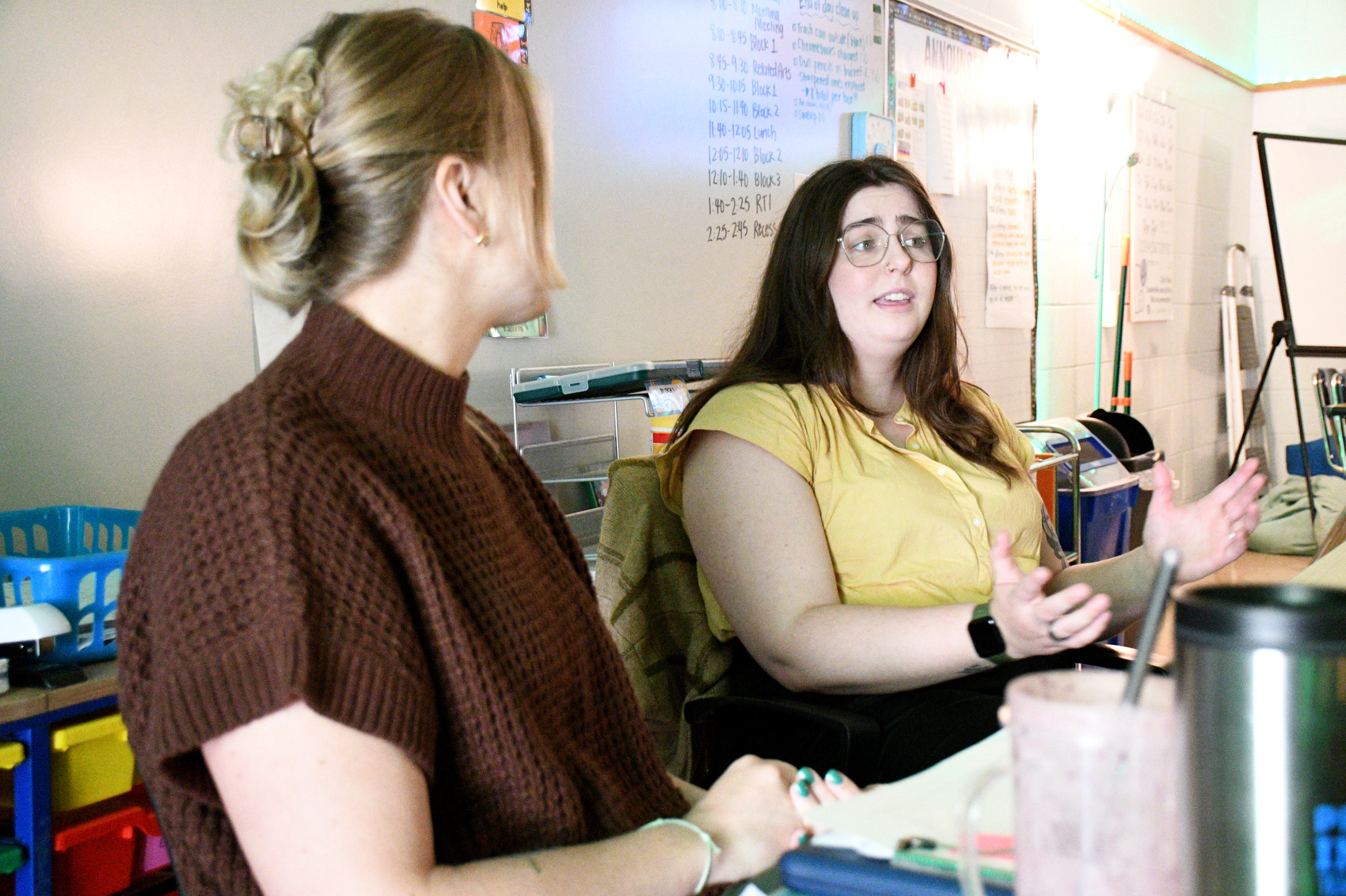
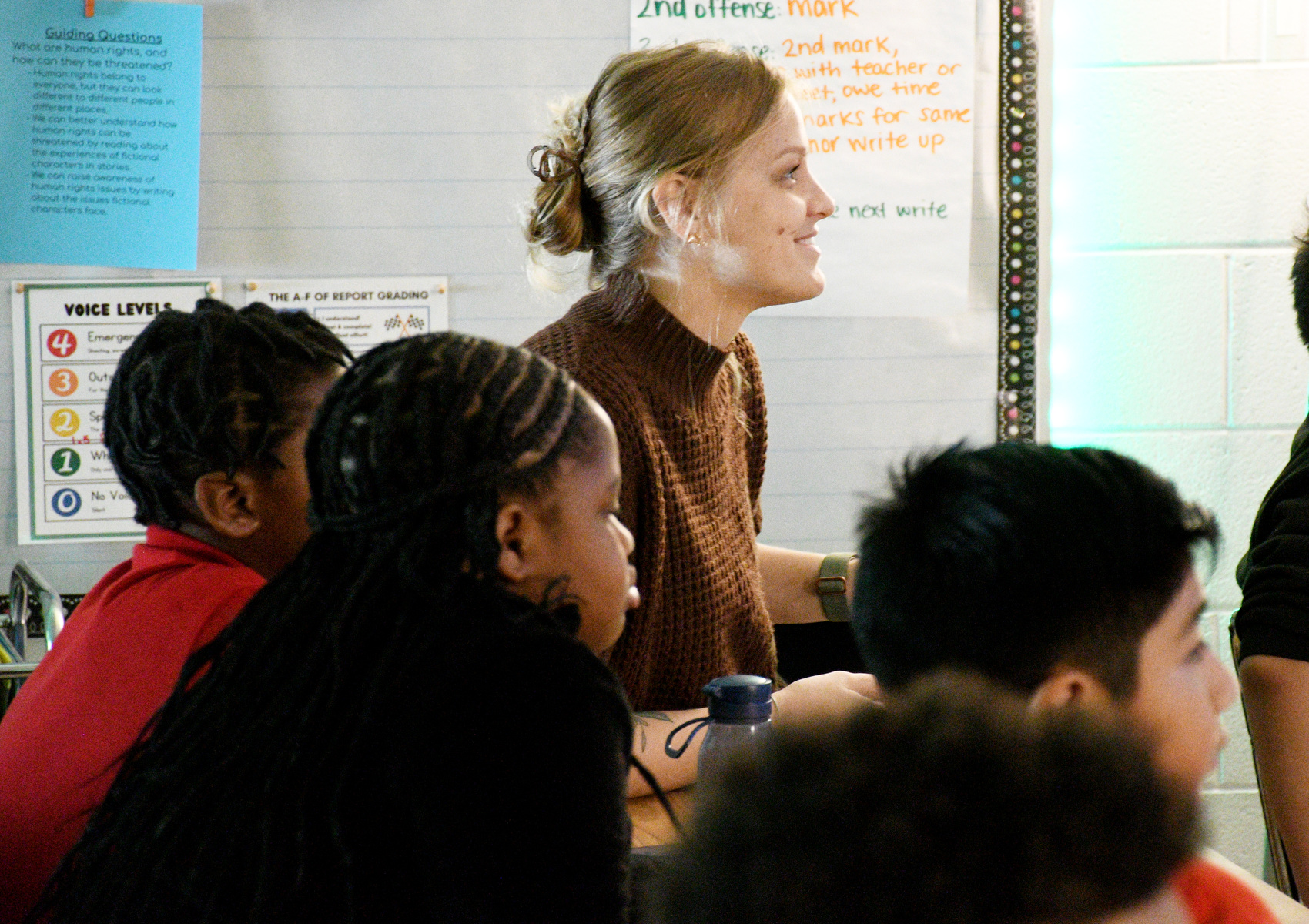
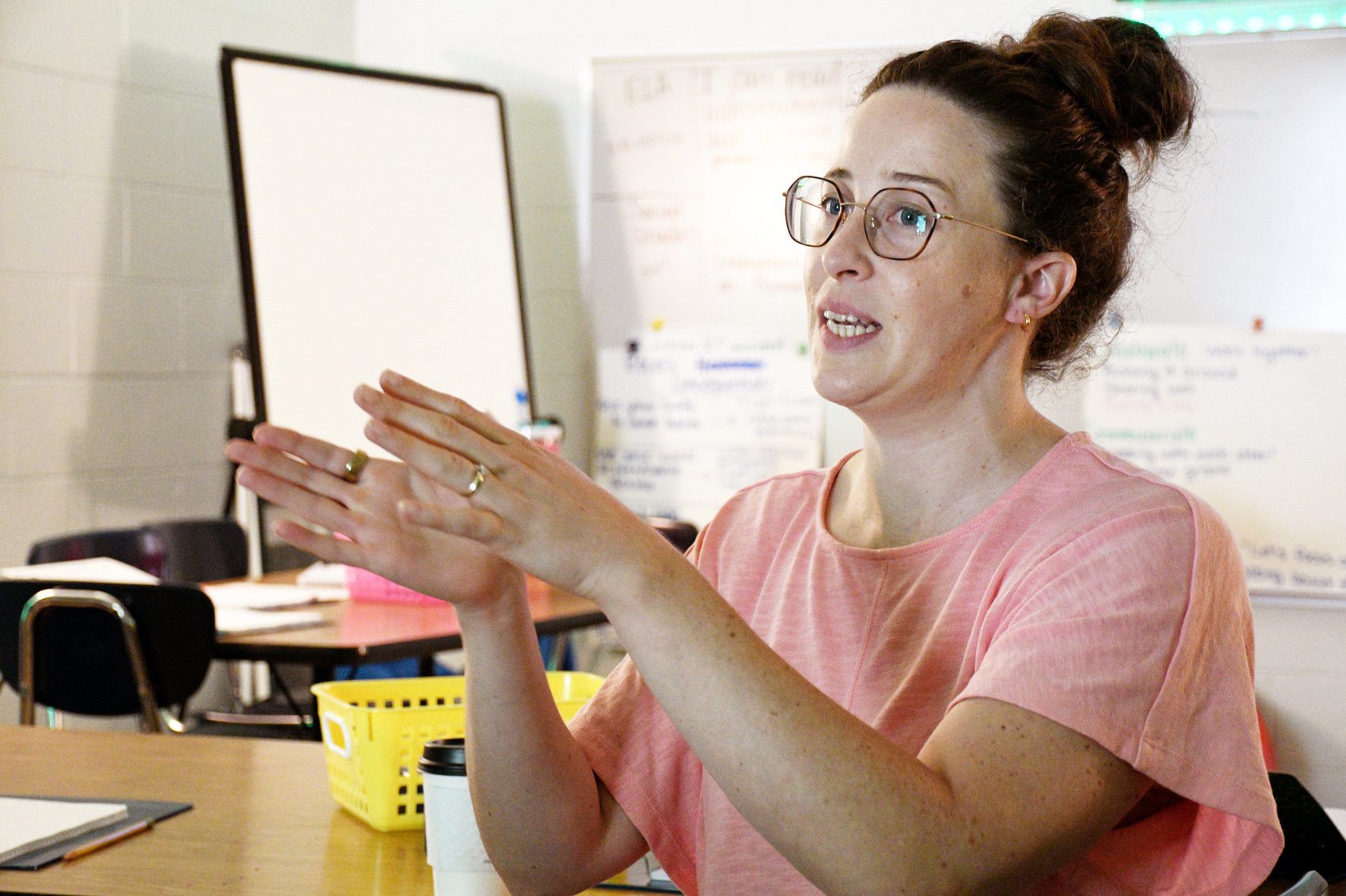
Staff Photo by Robin Rudd / Residency coach Owen Bogolin talks about the program Aug. 15, 2025, at Woodmore Elementary. The Public Education Foundation’s teacher residency program, Project Inspire, had its AmeriCorps funding suddenly cut in the spring. The community rallied to make sure the program could continue.Staff Photo by Robin Rudd / From left, Woodmore Elementary teacher Callie Barrett listens Aug. 15, 2025, as resident teacher Rachel Sheplak-Cooley describes her experience with the program. The Public Education Foundation’s teacher residency program, Project Inspire, had its AmeriCorps funding suddenly cut in the spring. The community rallied to make sure the program could continue.Staff Photo by Robin Rudd / Teacher Callie Barrett stamps a student’s work Aug. 15, 2025, as resident teacher Rachel Sheplak-Colley begins a lesson at Woodmore Elementary. The Public Education Foundation’s teacher residency program, Project Inspire, had its AmeriCorps funding suddenly cut in the spring. The community rallied to make sure the program could continue.Staff Photo by Robin Rudd / On Aug. 15, 2025, resident teacher Rachel Sheplak-Colley asks questions of a class at Woodmore Elementary. The Public Education Foundation’s teacher residency program, Project Inspire, had its AmeriCorps funding suddenly cut in the spring. The community rallied to make sure the program could continue.Staff Photo by Robin Rudd / Resident teacher Rachel Sheplak-Colley helps Jayden Negron on Aug. 15, 2025, during class at Woodmore Elementary. The Public Education Foundation’s teacher residency program, Project Inspire, had its AmeriCorps funding suddenly cut in the spring. The community rallied to make sure the program could continue.Staff Photo by Robin Rudd / Teacher Callie Barrett listens Aug. 15, 2025, as resident teacher Rachel Sheplak-Colley asks questions of the class at Woodmore Elementary. The Public Education Foundation’s teacher residency program, Project Inspire, had its AmeriCorps funding suddenly cut in the spring. The community rallied to make sure the program could continue.Staff Photo by Robin Rudd / On Aug. 15, 2025, foundation Director of Marketing and Communications Shannon Moore talks at Woodmore Elementary about the program. The Public Education Foundation’s teacher residency program, Project Inspire, had its AmeriCorps funding suddenly cut in the spring. The community rallied to make sure the program could continue.Staff Photo by Robin Rudd / Woodmore Elementary teacher Callie Barrett is pictured Aug. 15, 2025. The Public Education Foundation’s teacher residency program, Project Inspire, had its AmeriCorps funding suddenly cut in the spring. The community rallied to make sure the program could continue.
Barrett had taught the first lesson on an indigenous settlement earlier in the week, and after seeing her do it, Sheplak-Cooley said she felt confident about taking it on.
SUBSCRIBERS ONLY
This article is for subscribers
An active subscription is required to read this article. Subscribe for full access — or sign in if you already subscribe.