
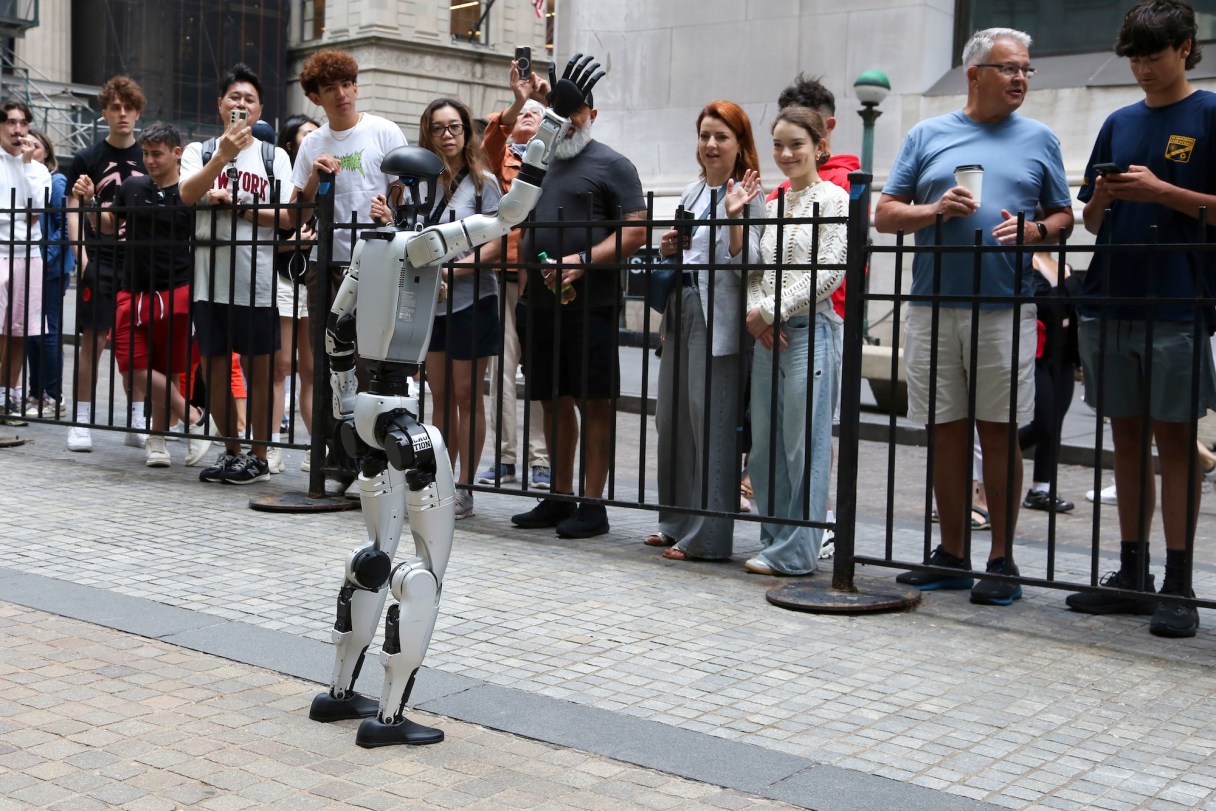
Read enough headlines about artificial intelligence, and you can be excused for thinking that we’re headed for a dystopian future ruled by AI-powered robot overlords. Mass unemployment, including people being forced to train their robot replacements to get that last paycheck, seems to be a common theme in the latest dire forecasts.
Don’t panic. It is helpful to look to history because we’ve gone through these technology-will-destroy-jobs cycles before, and we can see familiar patterns.
Historically, new technologies have transformed the economy in disruptive but positive ways. While some jobs do go away, they tend to be the ones involving manual labor and drudgery. What’s more, new technology creates new opportunities, even whole new industries.
AI is a catch-all term. It generally refers to computer programs like ChatGPT that can seemingly think and create. These programs are complex tools that try to synthesize data from existing sources. AI doesn’t actually think; it imitates what is within its database, with current versions doing it at a higher level than was possible previously. AI can be a valuable tool to automate tedious, repetitive tasks.
Advances have led to fear that AI will do to more intellectual professions what earlier automation did to factory production: eliminate jobs. News outlets will employ AI programs instead of reporters. Films will have AI-generated actors, scripts and so on. Limiting the future use of AI was a significant issue in recent Hollywood strikes by the Writers Guild of America and SAG-AFTRA, the actors’ union.