
Thank goodness for state governments. One of the most underappreciated stories in 2025 was the role states played in checking federal overreach. As the Trump administration barreled through norms, rules and laws, state officials — sometimes from both parties — supplied the friction to slow the administration’s power grab.
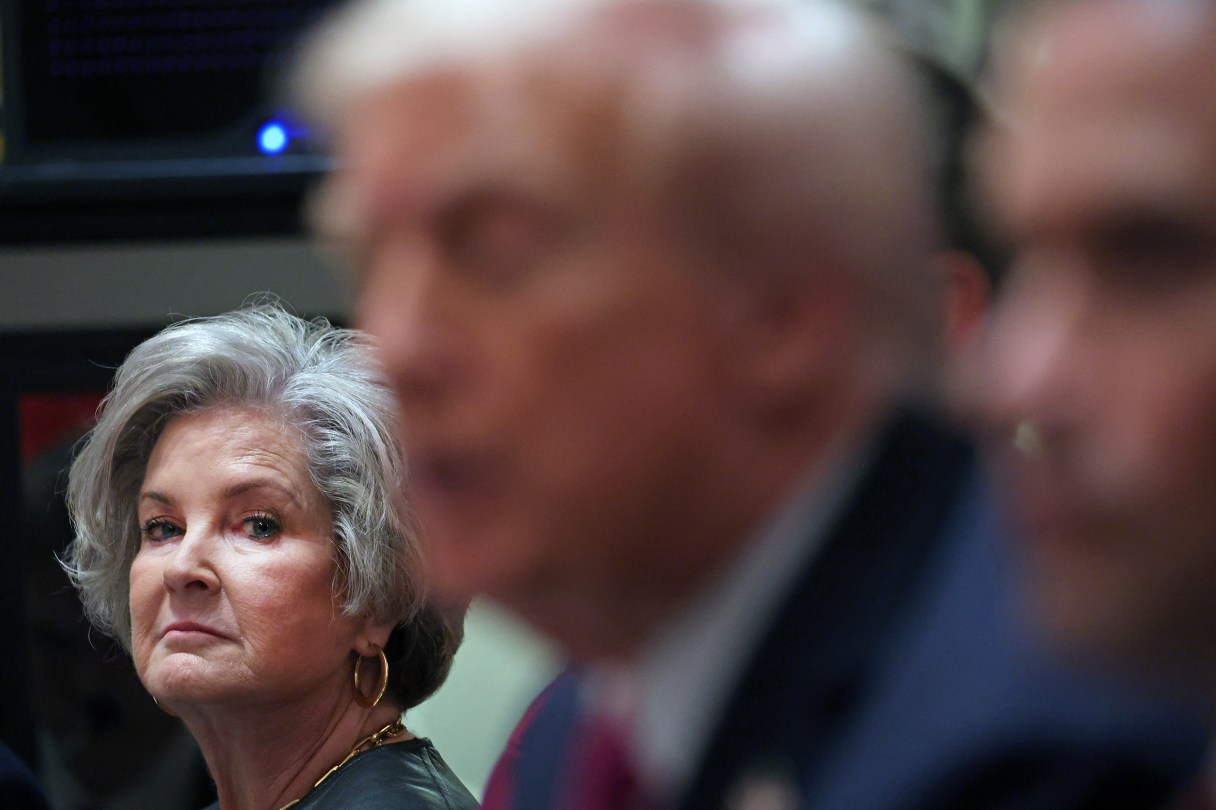
Trump swept into power with Republican control over both chambers of Congress, but he avoided working with Congress as much as possible. He spent the first year of his second term pushing the bounds of executive power. As his Chief of Staff, Susie Wiles, told a Vanity Fair journalist: Trump “operates [with] a view that there’s nothing he can’t do. Nothing, zero, nothing.”
Congress may have rolled over, but at the state level, things played out pretty much the way America’s founders intended. As James Madison wrote in Federalist No. 45: “The powers delegated by the proposed Constitution to the federal government are few and defined. Those which are to remain in the State governments are numerous and indefinite.”
Madison and his fellow visionaries settled upon a system that enshrined in the U.S. Constitution the legal authority for states to protect the freedoms of their residents and uphold the rule of law when the federal government abused its power.
President Donald Trump gave them ample opportunity to do that right out of the gate. Between Jan. 20, 2025, and Dec. 18, 2025, he signed 221 executive orders — more than he signed in all four years of his first term.