
Thursday, October 29, 2026Oct 29

This story is exclusive to subscribers.

Federal education policy to affect advanced nursing programs, but UTC avoids big hit

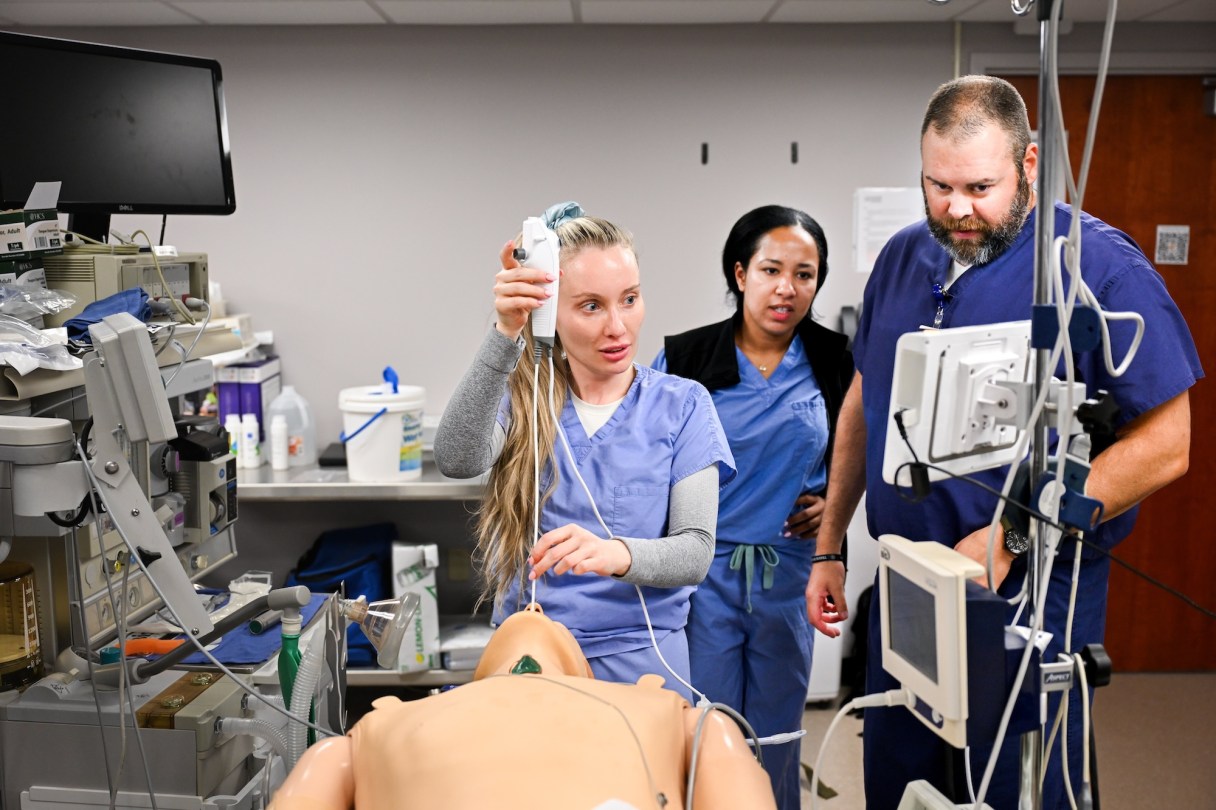
University of Tennessee at Chattanooga / From left, certified registered nurse anesthetist students Melina Maple and Jackie Medina and Assistant Professor Dr. Garrett Salmon work Wednesday, Sept. 3, 2025, on airway techniques in the Metro building. The Department of Education removed nursing from a list of degrees eligible for up to $200,000 in student loans.
University of Tennessee at Chattanooga / From left, certified registered nurse anesthetist students Melina Maple and Jackie Medina and Assistant Professor Dr. Garrett Salmon work Wednesday, Sept. 3, 2025, on airway techniques in the Metro building. The Department of Education removed nursing from a list of degrees eligible for up to $200,000 in student loans. University of Tennessee at Chattanooga / From left, certified registered nurse anesthetist students Melina Maple and Jackie Medina and Assistant Professor Dr. Garrett Salmon work Wednesday, Sept. 3, 2025, on airway techniques in the Metro building. The Department of Education removed nursing from a list of degrees eligible for up to $200,000 in student loans.

Graduate-level nursing students, particularly those pursuing advanced specializations, could have a harder time paying for training after the Department of Education removed the profession from a proposed list of degrees eligible for large federal student loans.

Last month, the department updated its definition of “professional degrees” that are eligible for up to $200,000 in federal student loans. People studying nursing, teaching, social work, physical therapy, physician assistant programs and audiology beyond the undergraduate level no longer meet that definition and are now eligible for up to $100,000.

That amount could leave some nursing students pursuing the most advanced degrees, like those for doctors of nursing practice and nurse practitioners, less able to carry the financial burden.

Pamela Jeffries, the dean of Vanderbilt School of Nursing, said the change will exacerbate staffing strains in rural health care systems, where advanced practice nurses carry a significant portion of the primary care caseload.

“They’re in underserved areas providing access to rural care that, without them out there, people do not have access,” Jeffries said on a Zoom interview.