
SAN FRANCISCO — The artificial intelligence boom has turned high-profile billionaires such as Jensen Huang, the CEO of chipmaker Nvidia, and Sam Altman, the CEO of ChatGPT maker OpenAI, into even richer billionaires.
It has also produced a crop of new billionaires — at least on paper — from smaller startups. These individuals may become future Silicon Valley power brokers like the wealthy executives created by past tech booms, including the late-1990s dot-com frenzy, who then invested in or helped steer later waves of technology.
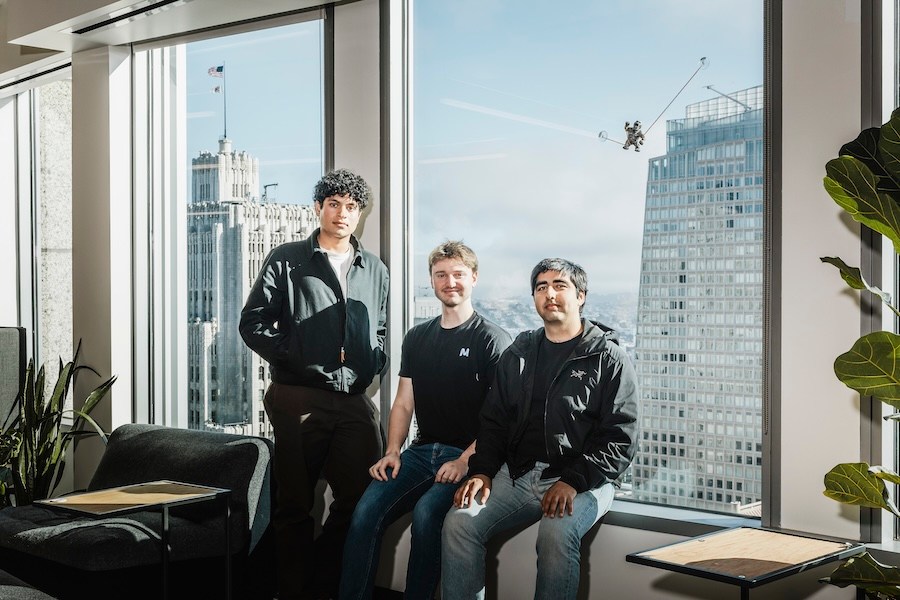
The new AI billionaires include Alexandr Wang and Lucy Guo, who founded Scale AI, a data-labeling startup that received a $14.3 billion investment from Meta in June. The founders of the AI coding startup Cursor — Michael Truell, Sualeh Asif, Aman Sanger and Arvid Lunnemark — entered the billionaire ranks when their company was valued at $27 billion in a funding round last month.
The entrepreneurs behind Perplexity (an AI search engine), Mercor (an AI data startup), Figure AI (a maker of humanoid robots), Safe Superintelligence (an AI lab), Harvey (an AI legal software startup) and Thinking Machines Lab (an AI lab) are in the nine-figure club as well, according to the companies or people close to the startups, as well as data from startup tracker PitchBook and news reports. Most reached that point after the valuations of their privately held companies soared this year, turning their company stock into gold mines.
Jai Das, a partner at Sapphire Ventures, a Silicon Valley venture capital firm, likened the new billionaires to the railroad barons of the 1890s Gilded Age who leaned into that era’s technology boom. But he cautioned that their wealth could be fleeting if the startups did not live up to their promise.