
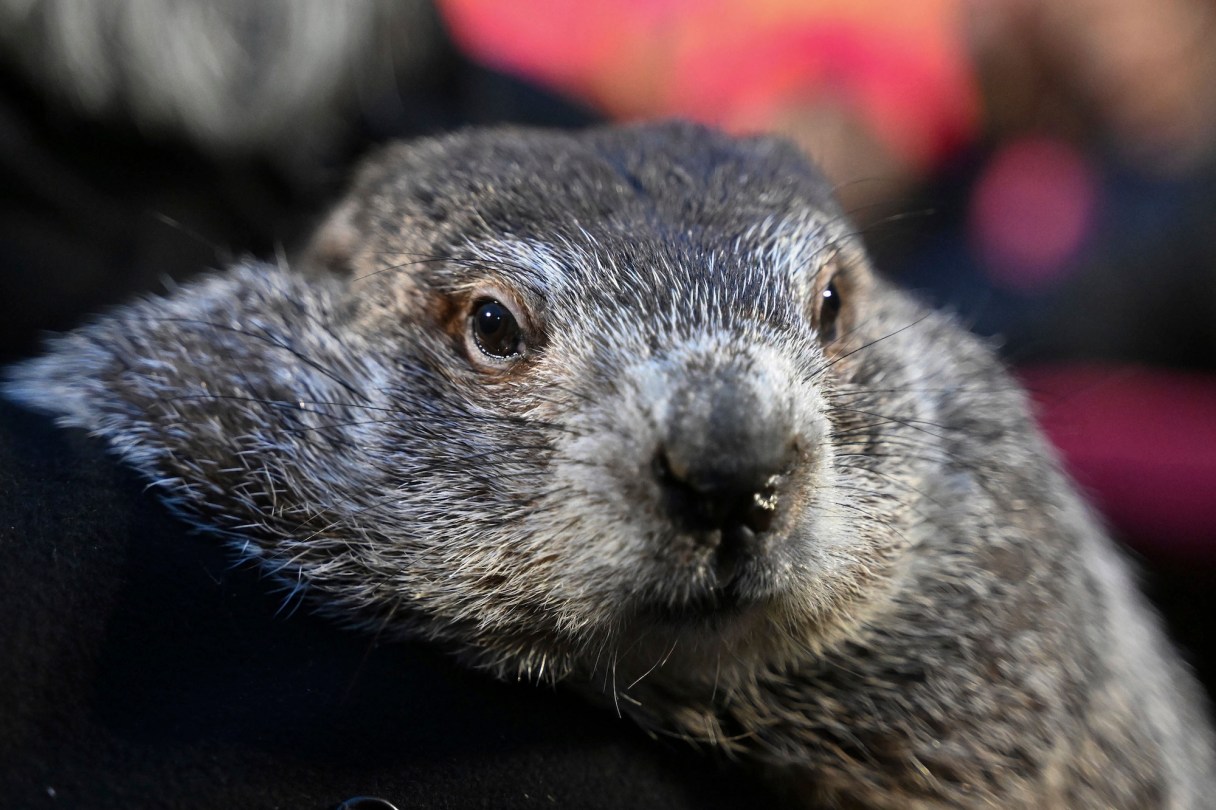
Groundhog Day predictions about the coming of spring put the spotlight on Punxsutawney Phil every Feb. 2, but celebrating the midpoint between the shortest and darkest day of the year and the spring equinox has ancient roots in European agricultural life.
Punxsutawney Phil is far from the only groundhog whose human handlers make annual announcements about whether they’ve seen their own shadows and are predicting six more weeks of winter or an early spring.
The date not only divides the calendar between the winter solstice and the spring equinox — it’s also a time of year that figures in the Celtic calendar and the Christian holiday of Candlemas.
And in eastern and central Pennsylvania, where people of German descent have been watching the groundhog’s annual emergence from hibernation for centuries, there’s a tradition of groundhog clubs and celebrations that are independent of Phil.
Some dismiss the Punxsutawney event as an unworthy rival to their own festivities, which they say forecast more accurate weather predictions. There have been weather-predicting groundhogs in at least 28 U.S. states and Canadian provinces, and less formal celebrations far and wide.