
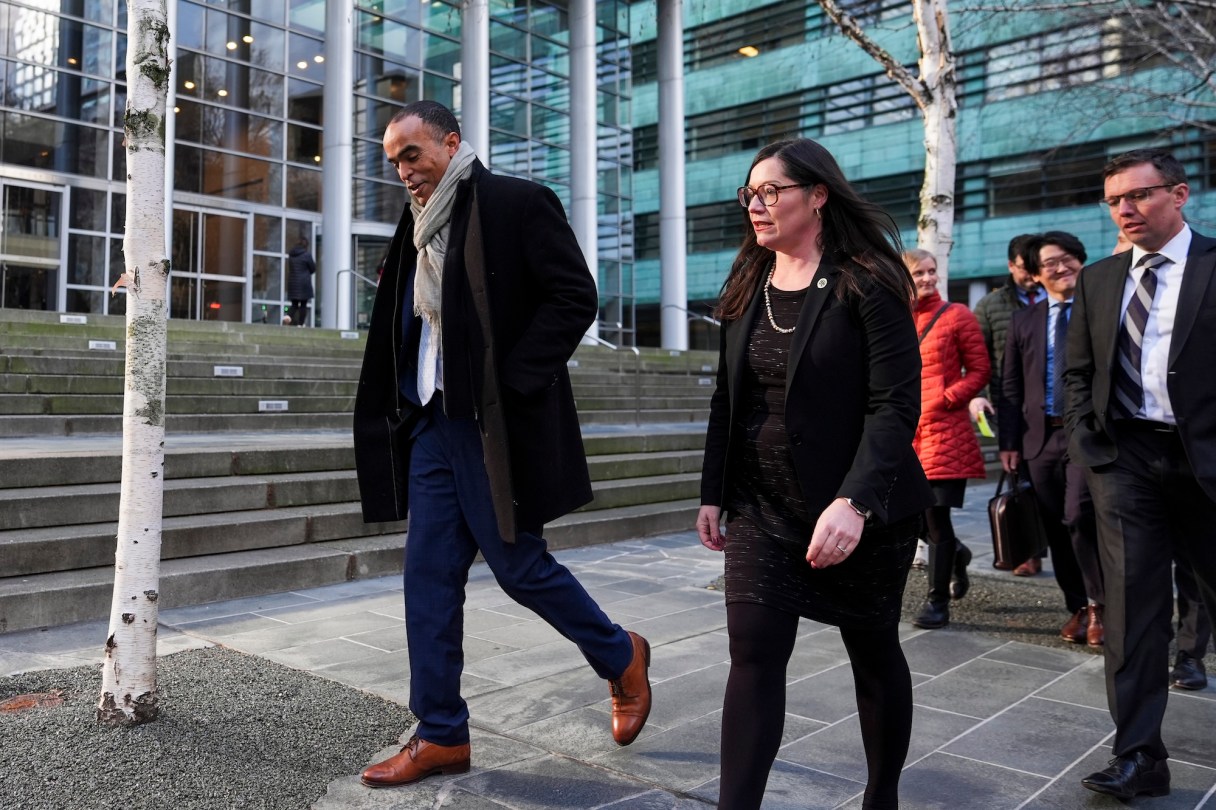
SEATTLE (AP) — A second federal judge in two days has blocked President Donald Trump’s effort to end birthright citizenship for the children of parents who are in the U.S. illegally, decrying what he described as the administration’s attempt to ignore the Constitution for political gain.
U.S. District Judge John C. Coughenour in Seattle on Thursday put Trump’s order on hold for the duration of lawsuits brought by four states and an immigrant rights group challenging it. His ruling followed one by a federal judge in Maryland in a separate but similar case involving immigrants’ rights groups and pregnant women whose soon-to-born children could be affected.
Here’s a closer look at where things stand on the president’s birthright citizenship order.
Where do things stand on birthright citizenship?
The president’s executive order seeks to end the automatic grant of citizenship to children born on U.S. soil to parents who are in the country illegally or who are here on a temporary, but lawful basis such as those on student or tourist visas.