
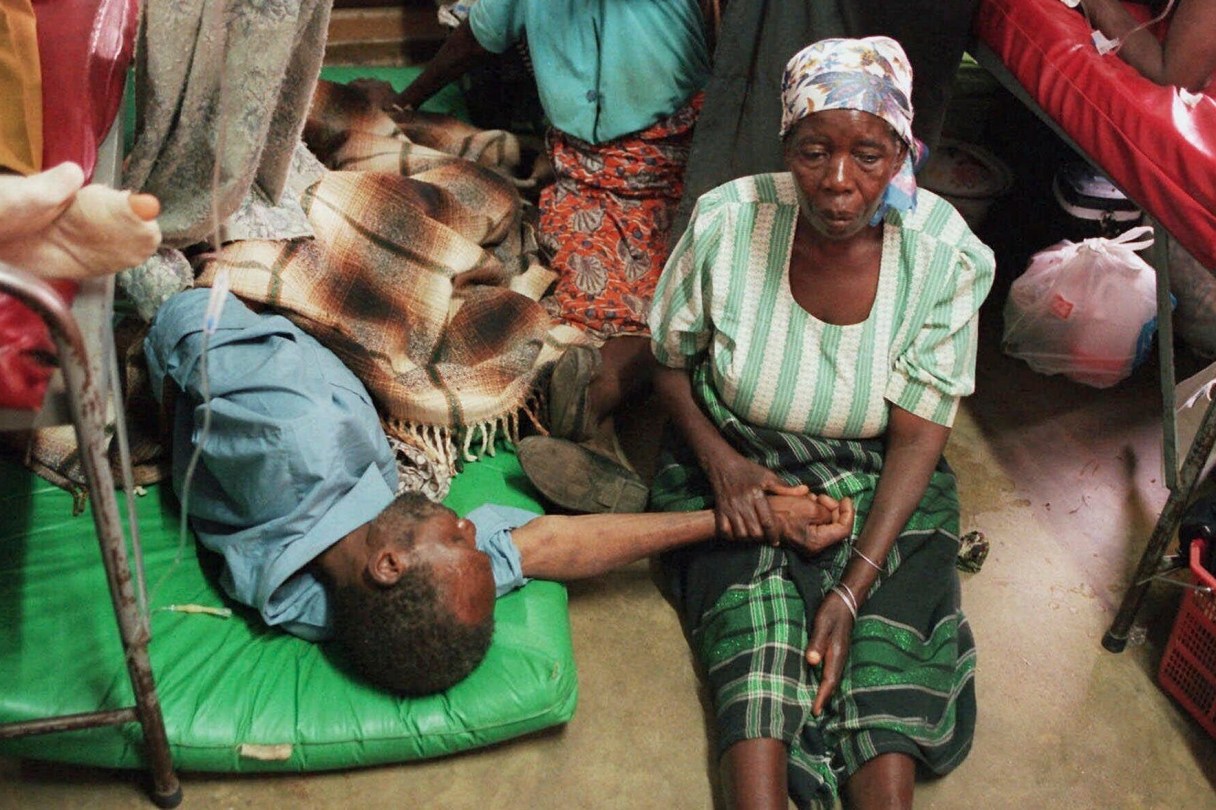
A generation has passed since the world saw the peak in AIDS-related deaths. Those deaths — agonizing, from diseases or infections the body might otherwise fight off — sent loved ones into the streets, pressuring governments to act. The United States eventually did, creating PEPFAR, arguably the most successful foreign aid program in history. HIV, which causes AIDS, is now manageable, though there is still no cure.
Now the Trump administration has put the brakes on foreign aid while alleging it’s wasteful, causing chaos in the system that for over 20 years has kept millions of people alive. Confusion over a temporary waiver for PEPFAR — and the difficulty of restarting its work, with U.S. workers, contractors and payments in upheaval — means the clock is ticking for many who are suddenly unable to obtain medications to keep AIDS at bay.
The U.S.-led global response to HIV has been so effective that AIDS wards of people wasting away are a vision of the past. Now health experts, patients and others fear those days could return if the Trump administration doesn’t reverse course or no other global power steps into the void, and fast.
“In the next five years, we could have 6.3 million AIDS-related deaths,” the U.N. AIDS agency told The Associated Press. That’s a shock at a time of rising complacency around HIV, declining condom use among some young people and the rise of a medication that some believe could end AIDS for good.
The agency has begun publicly tracking new HIV infections since the aid freeze.