
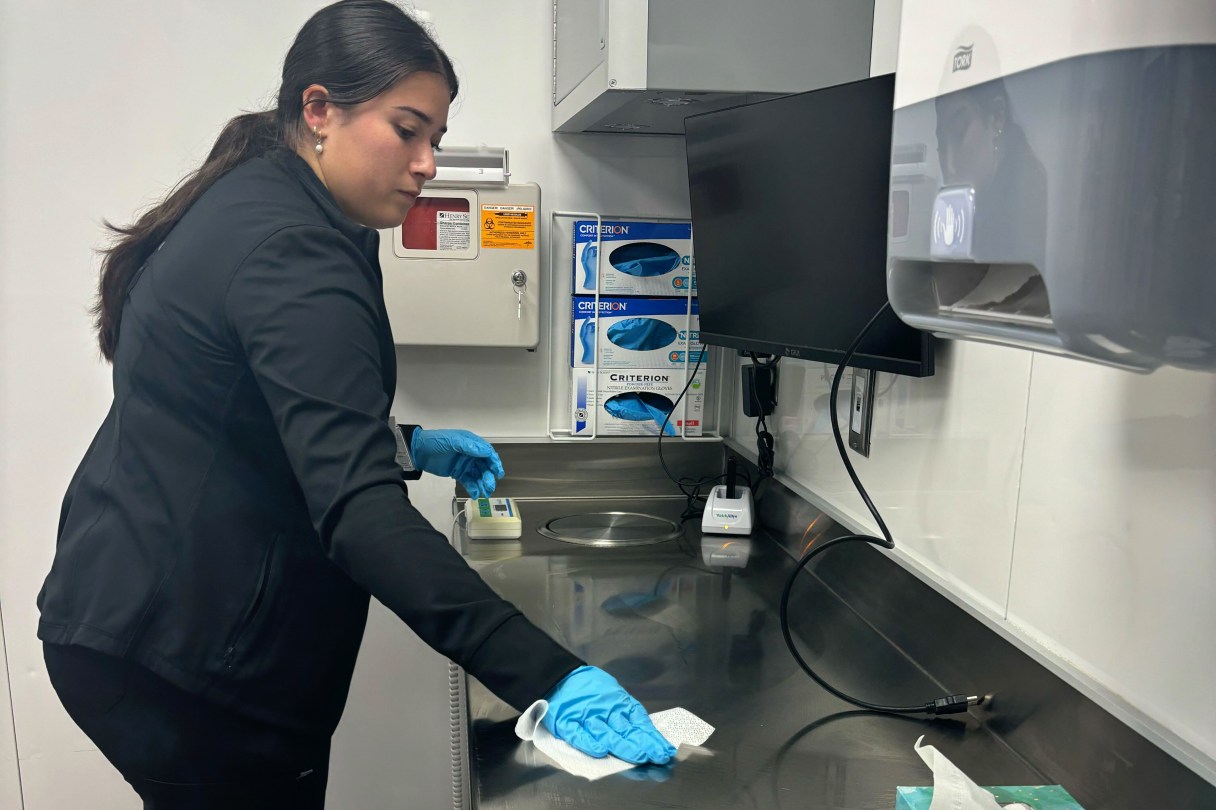
WALHALLA, S.C. — Nestled in the foothills of the Blue Ridge Mountains, a small primary care clinic run by Clemson University draws patients from across the region. Many are Hispanic and uninsured, and some are willing to travel from other counties, bypassing closer health care providers, just to be seen by Michelle Deem, the clinic’s bilingual nurse practitioner.
“Patients who speak Spanish really prefer a Spanish-speaking provider,” Deem said. “I’ve gotten to know this community pretty well.”
Clemson doesn’t operate an academic medical center, nor does it run a medical school. Arguably, the public university is best known for its football program. Yet, with millions of dollars earmarked from the state legislature, it has expanded into delivering health care, with clinics in Walhalla and beyond. School leaders are attempting to address gaps in rural and underserved parts of a state where health outcomes routinely rank among the worst in the country.
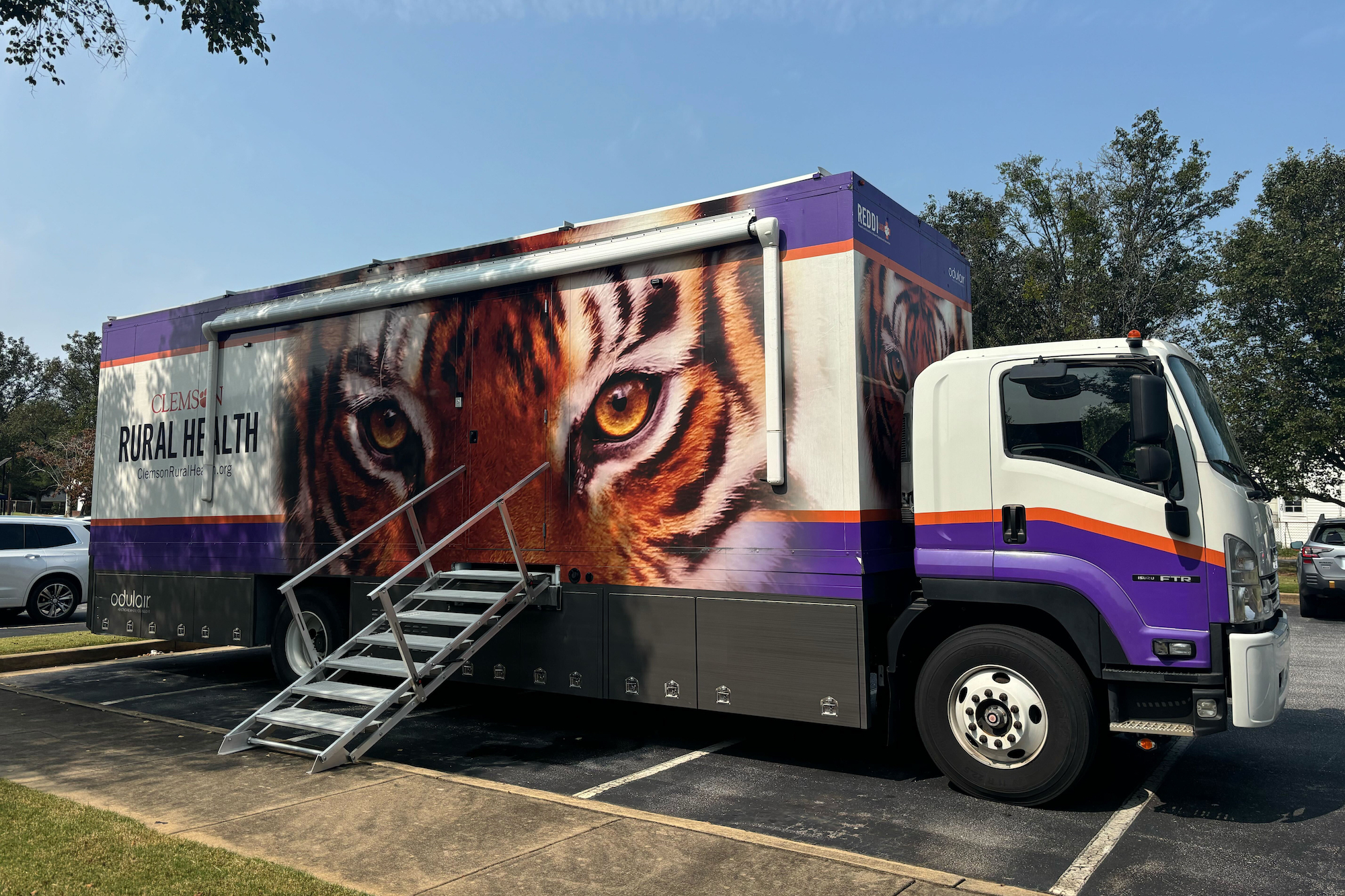
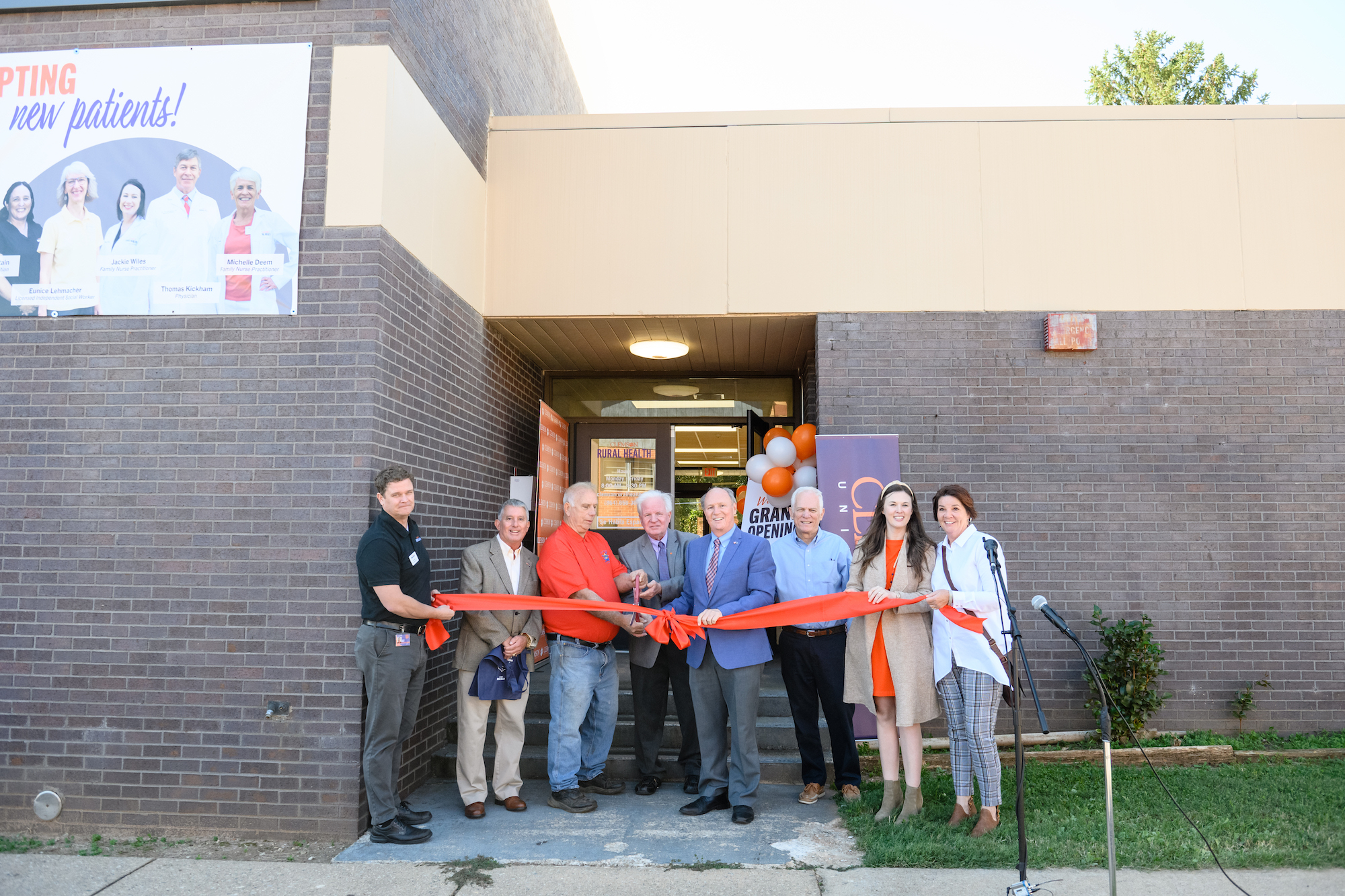
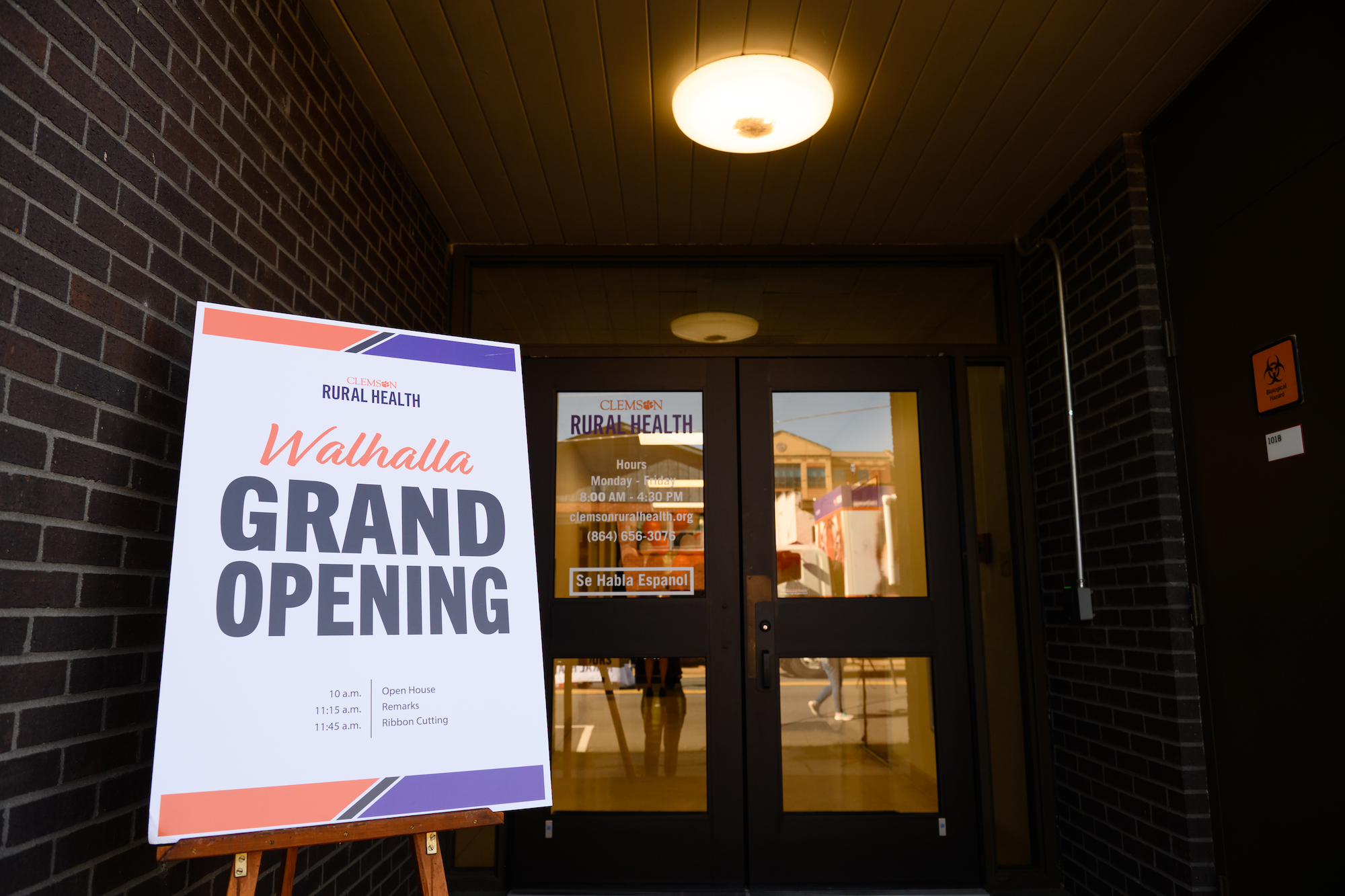
“Some of these communities have such high need,” said Ron Gimbel, director of Clemson Rural Health, which operates four clinics and a fleet of mobile health units as part of the university’s College of Behavioral, Social and Health Sciences. “They have so many barriers that impact their ability to be healthy.”
Clemson Rural Health is one of several programs attempting to meet this need in the state.