Monday, November 9, 2026Nov 9

This story is exclusive to subscribers.

Medical device at CHI Memorial advances stroke care

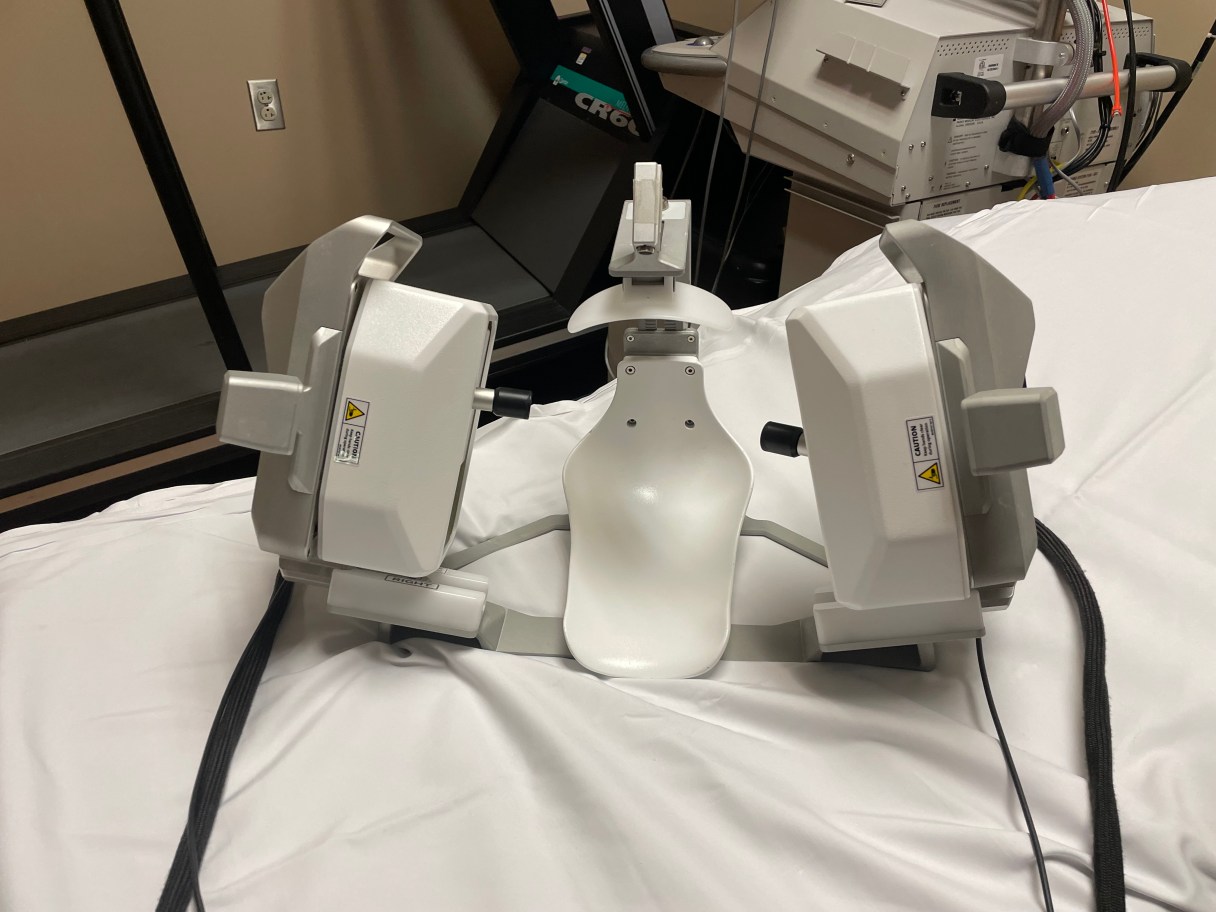
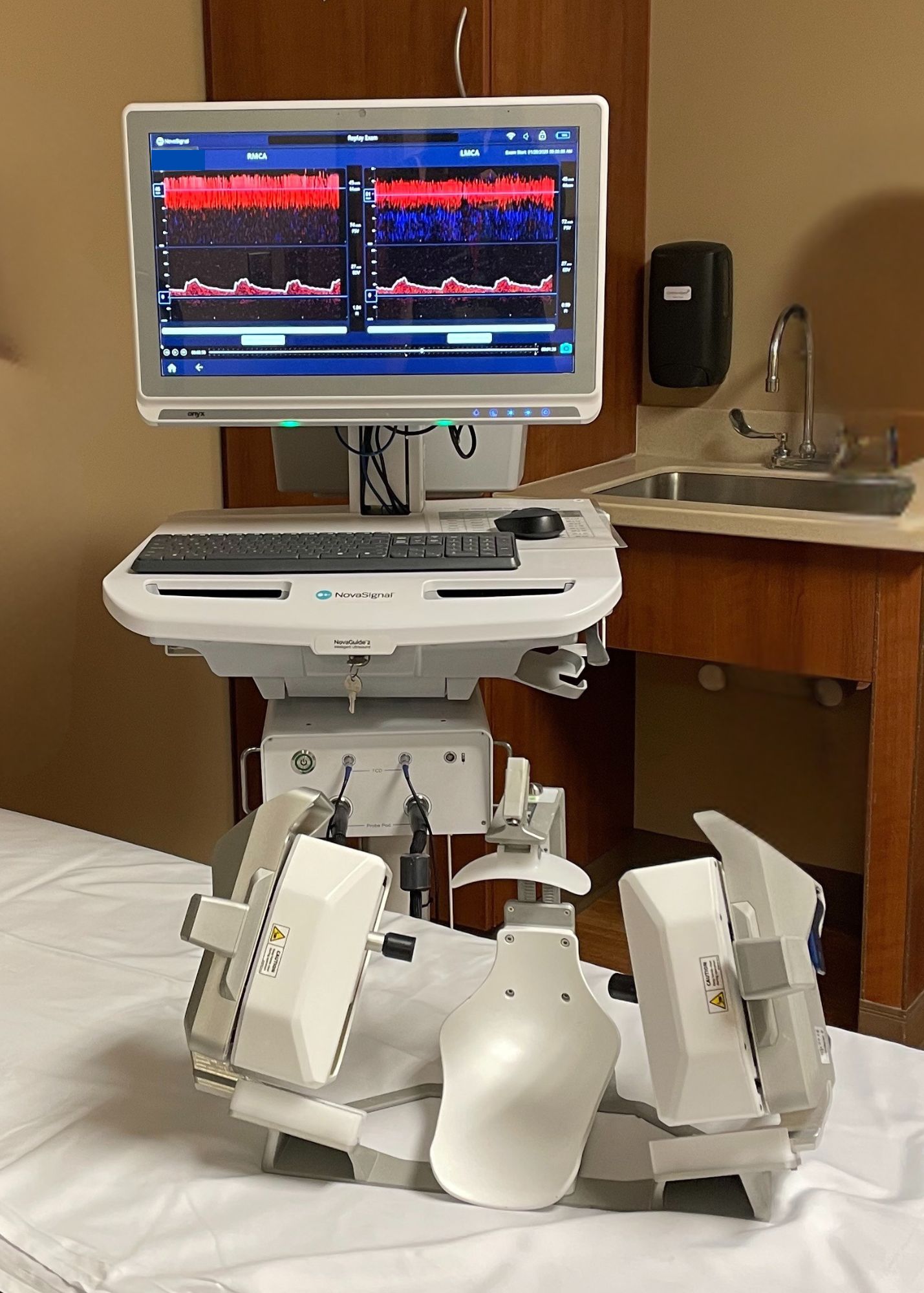
Contributed photo / Dr. Tom Devlin, the director of CHI Memorial Hospital's Neuroscience Institute, said Chattanooga is an emerging Silicon Valley of the South for its advancement in artificial intelligence and drug development. One such device is the transcranial doppler ultrasound.
Contributed photo / Dr. Tom Devlin, the director of CHI Memorial Hospital's Neuroscience Institute, said Chattanooga is an emerging Silicon Valley of the South for its advancement in artificial intelligence and drug development. One such device is the transcranial doppler ultrasound. Contributed photo / Dr. Tom Devlin, the director of CHI Memorial Hospital's Neuroscience Institute, said Chattanooga is an emerging Silicon Valley of the South for its advancement in artificial intelligence and drug development. One such device is the transcranial doppler ultrasound.

A doctor at CHI Memorial Hospital was part of a study that indicates a machine used to examine blood flow in the head can be used to detect the cause of stroke — and increase the chances of preventing a second stroke.

Created by Los Angeles-based NeuraSignal in 2018, the transcranial doppler ultrasound provides a real-time way for doctors to measure blood flow to the brain, the company’s CEO, Robert Hamilton, said in a video interview.

Dr. Tom Devlin, the director of the CHI Memorial Neuroscience Institute, said in an interview 80% of second strokes can be prevented, but there is a catch.

“You have to know what caused the stroke if you’re going to prevent another stroke from happening,” he said in an interview. “With this technology now, we are finally diagnosing stroke much better than ever before.”

(READ MORE: CHI Memorial receives stroke care honor, but how does it compare to Erlanger?)