
Last year, it suddenly fell to me to manage the affairs of a couple of ailing and now deceased elderly people (my parents-in-law).
The experience offers a useful perspective on the efficiency and responsiveness of various institutions. The worst were, big surprise, a cable company and a health plan administrator. Banks varied in their customer service, with small banks generally more pleasant to deal with than big ones.
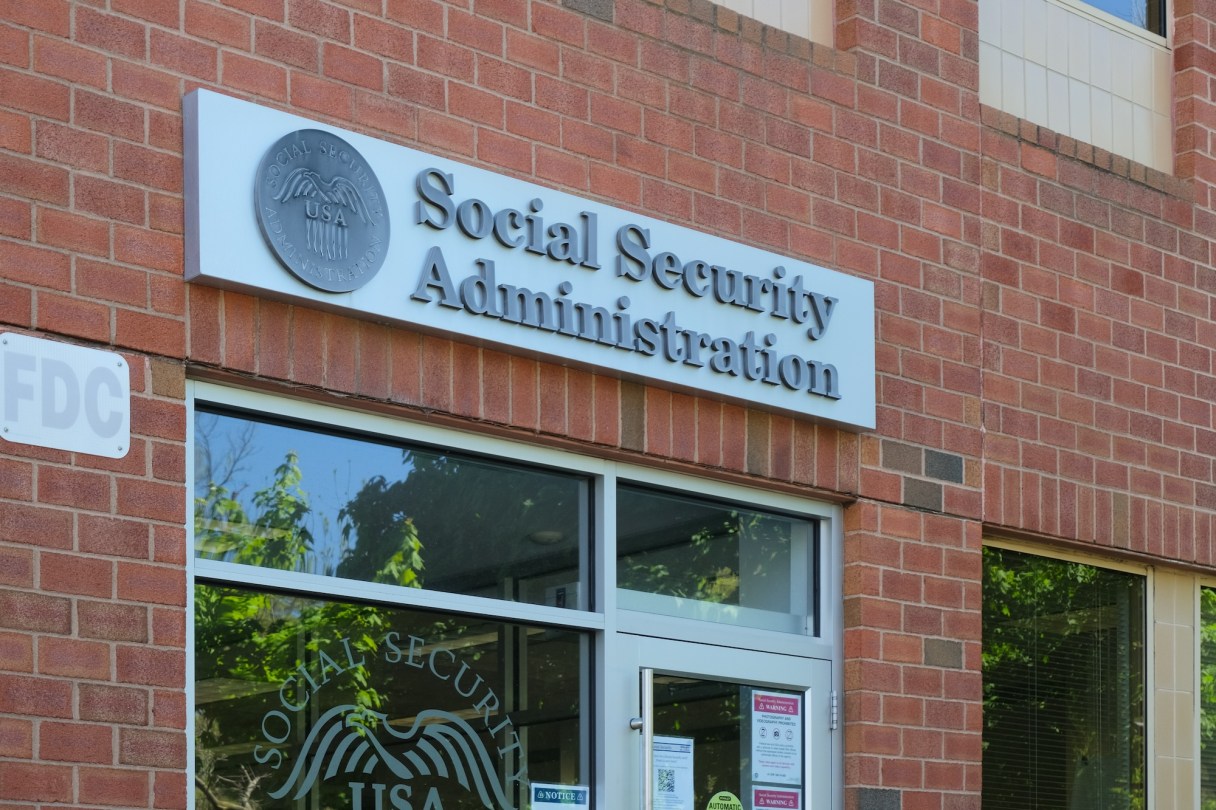
One organization stood out from the rest for its sheer, ruthless efficiency: the Social Security Administration. I called only once, and with a predicted wait time of more than an hour opted for a callback. A representative did and informed me that the thing I wanted to ask her to do (adjust benefits to reflect the death of a spouse) had already been taken care of.
So when newly minted government-efficiency expert Elon Musk hints — without providing any evidence — that there is serious fraud at the Social Security Administration, I must say I’m extremely dubious.
Sure, checks sometimes go out to recipients who shouldn’t receive them, with the SSA estimating that it made $13.6 billion in overpayments in the 2023 fiscal year. But that was out of $1.3 trillion in disbursements.
It is true that administering Social Security’s main program, Old-Age and Survivors Insurance, doesn’t involve a lot of judgment calls or customer input. You’re either old enough to qualify for benefits or you’re not, and you’re either alive or you’re not. But its efficiency is still impressive. OASI administrative costs amount to just 0.4% of total spending, down from 1.6% half a century ago. General and administrative expenses at Musk’s Tesla Inc. — not an apples-to-apples comparison, of course, but still interesting to note — are 4.6% of revenue.
Medicare and Medicaid fraud are well-known problems, the subject of congressional hearings, Government Accountability Office reports and much other scrutiny. They can certainly stand even more scrutiny and, who knows, maybe Musk and his team of coders will turn up something useful. What Musk has said so far about Social Security, though, does not give much confidence.
His statement on X that that he had “just learned that the social security database is not de-duplicated, meaning you can have the same SSN many times over,” was met with widespread derision online from software engineers who said de-duplication doesn’t mean that at all (it apparently refers to a process to free up storage space).
In 2023, Social Security’s inspector general reported that as of 2020 Social Security’s “Numident” file of each person issued a Social Security number contained 18.9 million entries for people born in 1920 or earlier with no death information, while the Census Bureau estimated there were only 86,000 Americans that old. Only 44,000 of these centenarians were actually receiving Social Security benefits, though.
The other records were almost all people who died before the automated reporting system that so rapidly registered my in-laws’ deaths was put in place. The inspector general recommended that the Social Security Administration add presumed death information to the inactive records, but the ever-frugal SSA objected that the benefits of doing so wouldn’t be worth the estimated cost of $5.5 million to $9.7 million.
Government computer systems are full of legacy quirks like this, and upgrading and updating them is a huge and often-fraught endeavor. Social Security also has serious looming funding problems that are the product of its design and the aging of the U.S. population, not its operations. Do Musk and his Department of Government Efficiency have ideas for dealing with either of those issues? So far they’ve given no sign of it.