
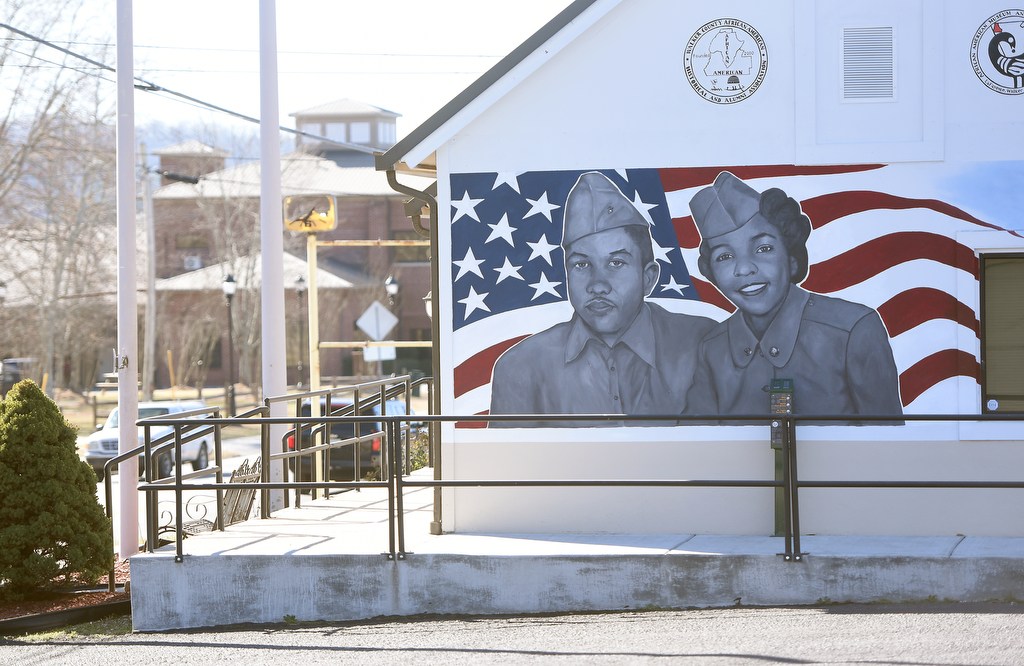
Beverly Foster’s love of history goes back to when she was in first grade.
In college, she didn’t originally seek a history degree, but after working as a teacher to help her husband provide for their children, she eventually returned to school, adding American history and African American studies to her major.
At the Atlanta History Center, Foster participated in a fellowship program, where she learned how to operate a museum, she said. She uses those skills in her volunteer position as museum director of the Walker County African American Museum and Multicultural Center.
Foster said the center opened two years ago in December, after she and others approached the Walker County Commission seeking to turn a building used for storage into a space highlighting African American history, beyond enslavement.
If you go
What: Walker County African American Museum and Multicultural Center
Where: 309 N. Main St., LaFayette, Georgia
How to reach: 706-670-1165
Admission: $5 donation for adults and $1 for students
Most of the history told of Northwest Georgia and Walker County regards the Antebellum and Civil War eras, Foster said. At county events, she said, African Americans would be asked to come dressed like slaves.
Photo Gallery
Walker County African American Museum and Cultural Center highlights all cultures’ history
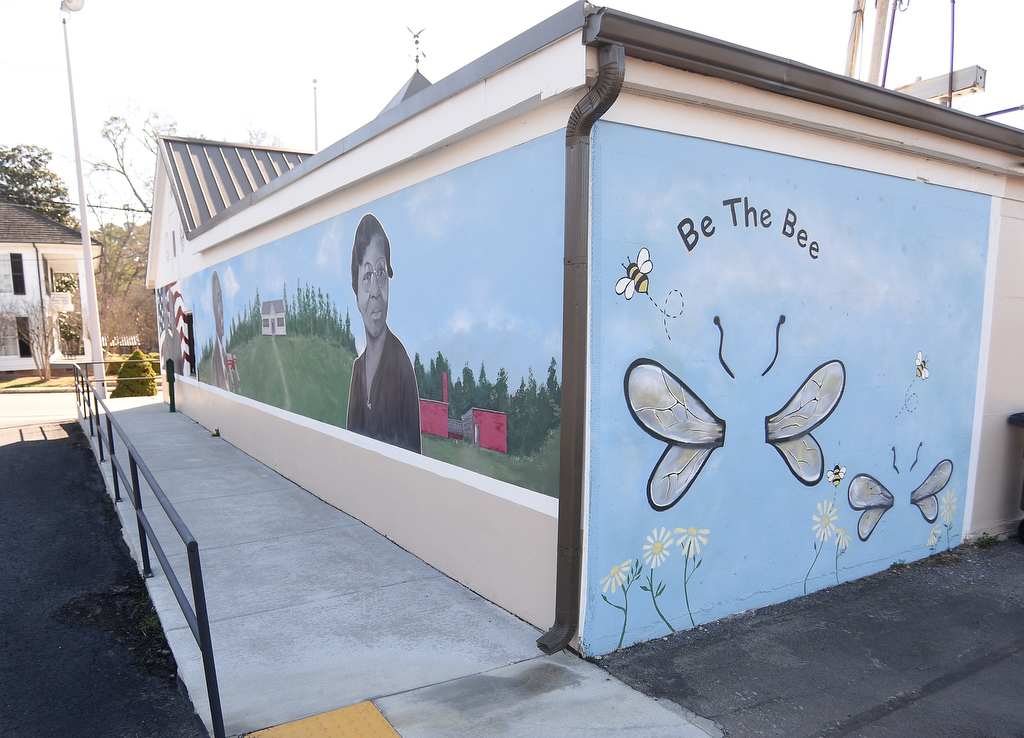
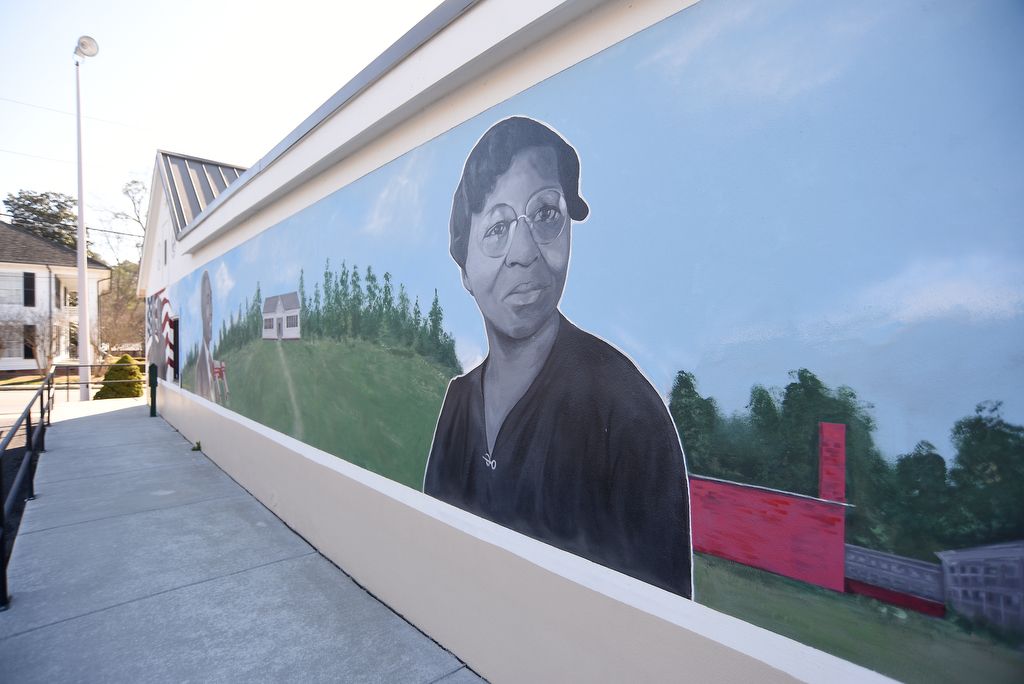
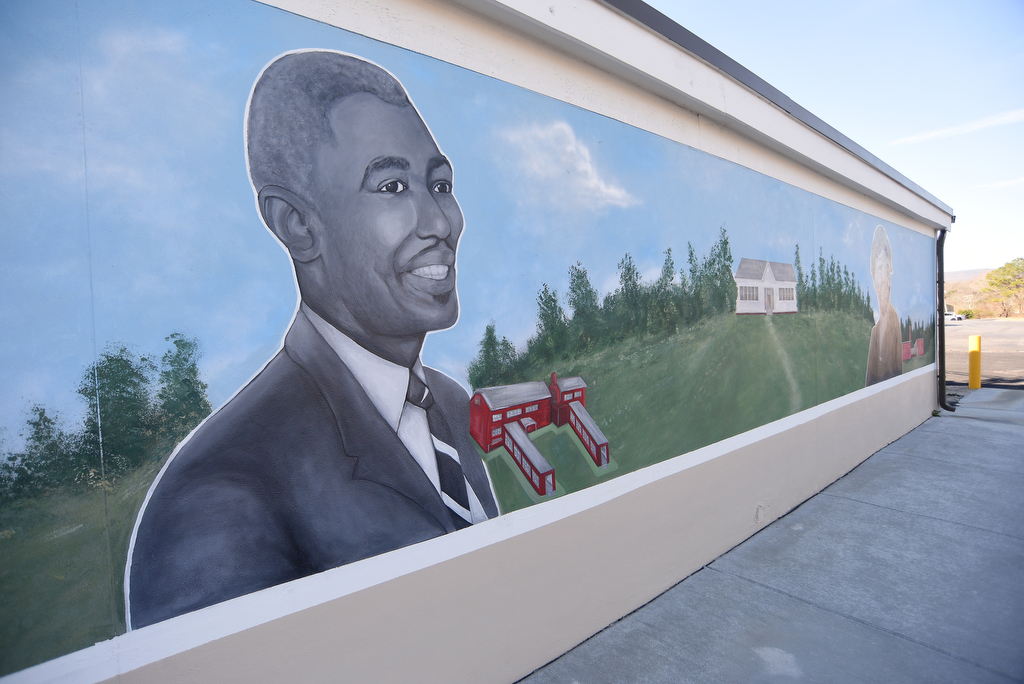
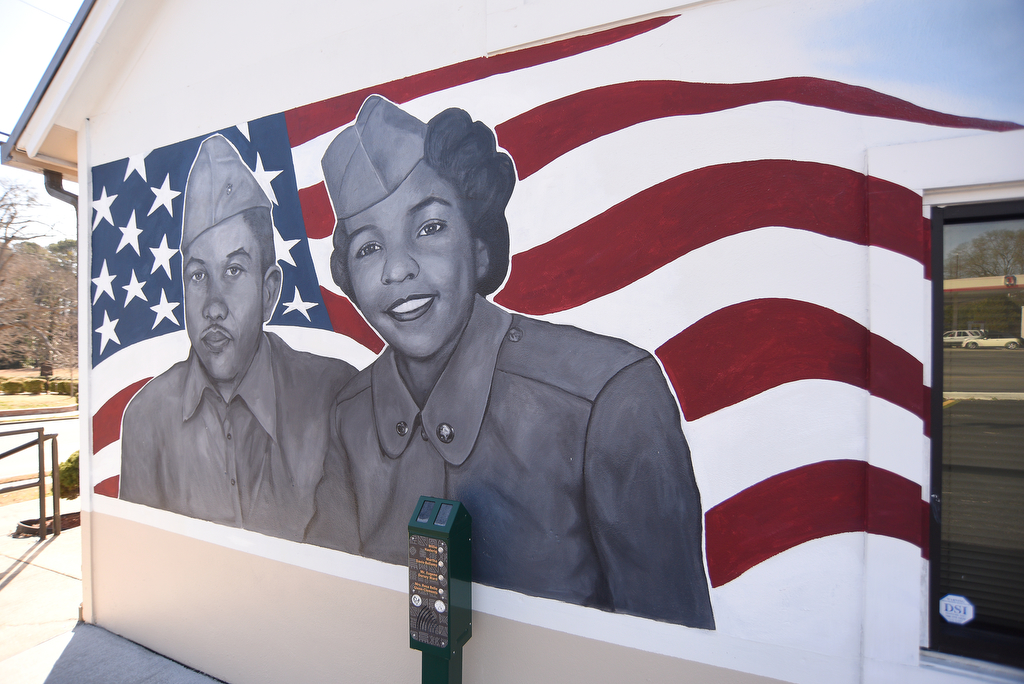
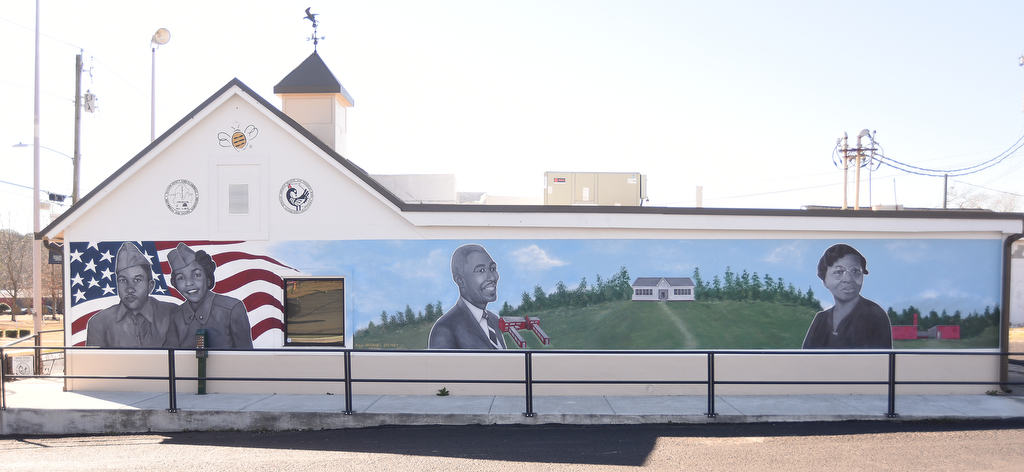
“We could never come dressed nice for anything,” she said. “We said, ‘That was 160 years ago. We’re tired of dressing like slaves and not being able to dress nicely when we come to historical events in our county.’ We wanted to let people know that we’ve done more than just slavery and cleaned people’s houses and things like that.”
Foster said she and others wanted to create a museum showcasing a broader history, and the county commission agreed to let them use the Main Street building in LaFayette.
She puts together exhibits by researching newspaper articles and collecting community donations and is working with others to create oral histories for a display highlighting the transition from segregation to integration in Walker County, Foster said. This year, the community is celebrating 60 years of racial integration.
EXHIBITS
Deciding what exhibits go into the museum comes down to listening to visitors, she said.
“I listen to the people who come into the museum, and I listen to what they know and they don’t know,” Foster said.
One permanent exhibit is a timeline of African American history within Walker County from 1865 on, comprising community and individual accomplishments, Foster said.
“That covers a whole wall to show how we moved from enslavement to become doctors and lawyers and teachers and things of that sort,” she said. “How we move through the years, how we obtain our education. How we built our own schools and our own churches in Walker County, and we proceeded to have a community and become positive contributors to Walker County.”
She said she tries to tell the history of African Americans, like their local educational endeavors. For example, the county has two documented Rosenwald schools, which were state-of-the-art institutions built for African American children across the South by intellectual Booker T. Washington and philanthropist Julius Rosenwald. They were prominent in advancing Black education during the early 20th century.
“I tried to find what’s nationally important,” Foster said.
A story like that of the 6888th Central Postal Directory Battalion or that of the only Black female World War II batallion, which did some training at the Chickamauga Battlefield, may have found recognition through Tyler Perry’s recent film “The Six Triple Eight,” but Foster said she’s tried to discuss the women’s story for the past few years, only it fell on deaf ears.
Foster, who had a cousin who served in the battalion, said no one thought about listening until Perry’s movie premiered in December.
“We don’t listen about our own history and how we are nationally connected. … Our children don’t know it,” she said. “They do not teach it in the schools.”
Foster said she believes local history should be taught so children of all races can be proud of where they came from. She wishes children at all educational levels could visit the museum with their classes.
Many high school teachers from other counties and cities are unaware of Walker County’s history and may feel it’s not as important, Foster said. Local history is only given a few weeks in the state’s strict curriculum.
It makes children uncomfortable to hear about the antebellum period or hear about African Americans’ experience in slavery at places like the Marsh House of LaFayette, Foster said. At the museum and cultural center, which is across the street, children are happy.
“You should see the difference in espousing what they (are) learning,” she said about the students’ reactions to learning about people like Ken Batie, an African American who was the county’s first radio entertainer or DJ. “They learning some positive things … it’s just a difference. They should learn both.”
From Black and white to Native American, people of all cultures have done wonderful things in Walker County, Foster said, and residents should know them.
“I’m not saying we don’t need to know the Civil War,” she said. “We do, but we need to know that we have done more. After the Civil War, we kept pressing forward, doing positive things in this world.”
Another exhibit is modeled after the history of the Coca-Cola Bottling Works in LaFayette, Foster said. The company was owned by Robert Wardlaw and his family, who were white. An African American man, Marshall Allgood, was instrumental in helping the family start the business, which bottled and sold drinks to different cities around Northwest Georgia.
Foster said she was unaware that people did not know about the bottling company.
“Then I realized that beyond the Civil War, all the cultures — white, Black, Latino — did not know the history of Walker County,” she said. “If it didn’t deal with Civil War, they didn’t know nothing about it.”
Foster and her team felt a responsibility to teach the history of all Walker County.
“We changed the name from just ‘African American Museum’ to ‘multicultural center,’ so that we can tell some of the stories of other cultures that have participated in the development of Walker County,” she said.
Inside the museum, there’s a display about the Native Americans who lived in Walker County and were housed in LaFayette while walking the Trail of Tears, Foster said, along with enslaved Africans, until they were taken to Ross’s Landing, or present-day Chattanooga.
IMPORTANCE OF POSITIVITY
The museum and cultural center is not solely for Black children, Foster said, but for all children in the United States.
“We should know more about Walker County history beyond racism,” she said. “We should know how we pulled together to create this county and do positive things.
While racism was present in the county, there’s other things that can be stressed, Foster said.
“I’m not saying that there’s nothing in my museum that lets you know that Walker County has some problems,” she said. “I call them ‘hiccups.’ You know, we had a couple schools burn, a couple peoples’ homes burn, but it’s not exhibited in a way to make the people feel uncomfortable.”
All counties have hiccups, but Walker County is one where cultures work together to accomplish things and tell their stories, Foster said.
Foster said she loves her county and feels everyone gets along. She and others respect the history of the Confederacy and feel it should be taught.
“When you work together, that’s better than fussing and (saying), ‘Let’s tear this down and tear that down,'” she said. “We not gon’ go that way. We gon’ go the way of, ‘Let’s all join together and teach this history.’ We ain’t gon’ tear down nothin,’ because we gon’ go together and become a place where everybody can teach their history.”
In history, there will always be elements people won’t like, Foster said, but those things shouldn’t be hidden. People shouldn’t attempt to erase them by saying it didn’t occur.
“We have found a way in Walker County that we can tell it together without being all ugly,” she said. “You can’t be ugly. You got to be positive. When people see you approach things positively, they can listen to very difficult stories, because they see that you’re not blaming anybody. You just telling them what happened. You just telling the story.”
A LOVING COUNTY
Foster said people sometimes compare the “neophyte” museum to those that have been up for 20 to 40 years, with more exhibits. As it progresses in age, she hopes more schools will visit the museum and the lineup of exhibits will be adjusted as volunteers find what to add or remove.
She said the community’s reaction has been positive toward the center, and people across all cultures think it’s wonderful.
Robert Wardlaw, owner of Wardlaw’s Lucky Eye Q restaurant, said via phone that Foster asked people in the community whether they would be interested in helping create the museum. Wardlaw said many people, including city and county leaders and people from local organizations, participated from the start, believing the work would be great for the community.
Wardlaw said for him, a community will always be at its strongest point when it has a variety of acknowledgements, recognitions and interest in the community at large.
“We didn’t have anything that specifically celebrated the accomplishments and contributions to our community from the African American community,” he said. “The museum is definitely not just for African American participation at all. Everybody’s included in it and benefits from that cultural center and is going to benefit from the park aspect of it when we get that finished, too.”
(READ MORE: Walker County on track for momentous growth for three years in a row)
Wardlaw’s family has been in the area for six generations, he said. While he would never pick a favorite exhibit, Wardlaw said what he loves most about the museum is that the majority of featured people are ones he has known in his life or that his family was friends with before his time.
“Everything in that museum is familiar to those of us who have been around this community for a long time, and that’s what I like about it,” he said. “There are national and statewide museums and cultural centers, but this is ours. It’s our community and our people, and in a smaller community like this, that’s endearing.”
Contact Leah Hunter at lhunter@timesfreepress.com or 423-757-6673.