
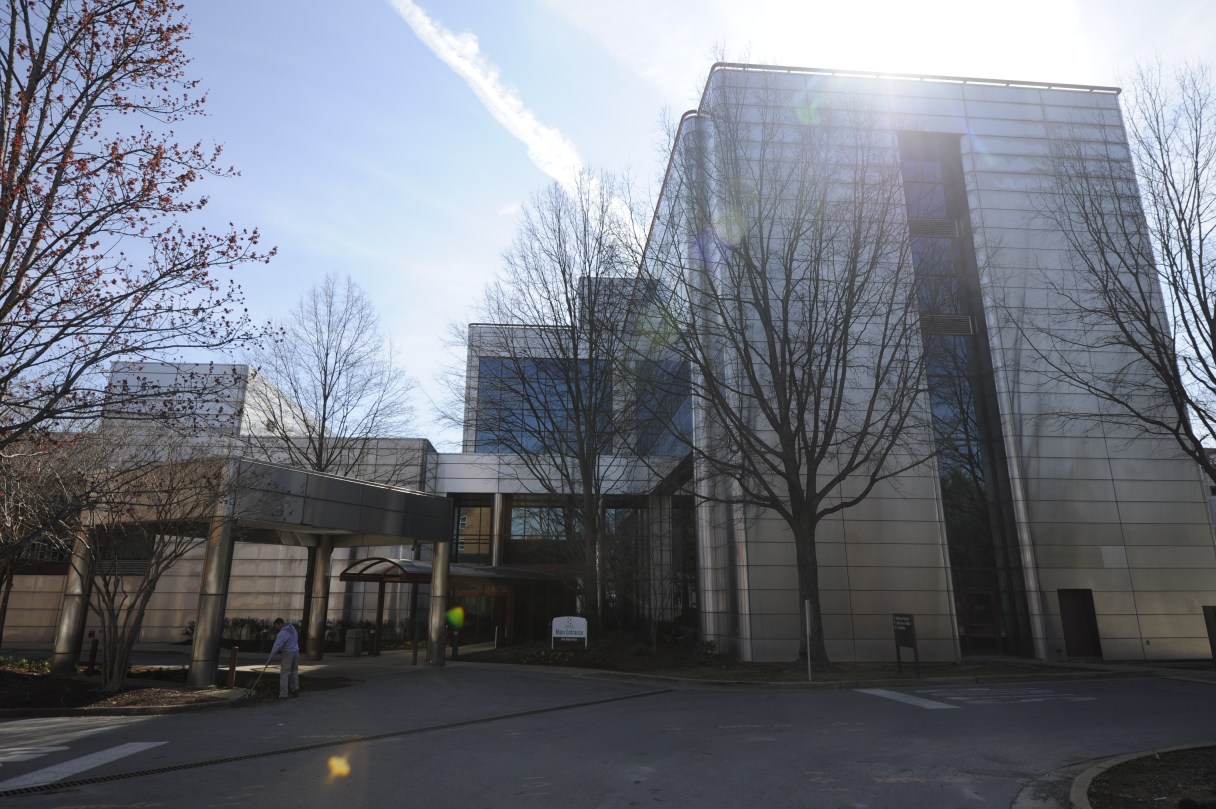
At Siskin Hospital for Physical Rehabilitation, the concussion clinic exists as a resource for those who need further help following a concussion. Patients are seen by both a neuropsychologist and physical therapist in one visit.
Director of Outpatient Services Kyle Binkley said the clinic, which is downtown, was established in September.
It works with both a referral and fax line, which can be found on Siskin’s website, Binkley said. He said the team has reached out to local providers and established relationships with those who see individuals with concussions.
“We have such a great medical community in Chattanooga, but also there are times when, just like I don’t know what every other provider does, some referral sources might not realize what we can actually do to help their patients who’ve experienced a concussion,” he said.
In a phone interview, which has been lightly edited for clarity, Binkley discussed the high demand for neuropsychologists, and how having one available at the clinic makes it unique.
Q: For contextualization purposes, let’s learn a little bit more about you. What does your role entail?
A: By background, I’m a physical therapist, so I’ve been in clinical practice for about 10 years now. I’ve worked in a variety of settings, including skilled nursing, inpatient rehab, but I’ve been at Siskin Hospital for the past six years, and all of that has been in outpatient, and so I supervise all of our outpatient clinicians, as well as all six of our clinics that we have throughout the Chattanooga region.
I also still treat patients throughout the week. I treat a lot of patients who have balance issues, dizziness, sometimes headaches, and usually my caseload consists of older adults, but I see a good mix of patients.
Q: How does that relate to the concussion clinic?
A: With the concussion clinic, a lot of our patients who come in with dizziness, sometimes it’s unknown, so idiopathic presentation. There’s no real point we can go to. And other times, it’s because of a fall, and they’ve hit their head, and they’ve had a concussion. And other times we have younger adults and sometimes teenagers who, it’s been a sporting event, they’ve been out skateboarding. They’re out with some friends on the lake and slipped, and, you know, hit their head, and one of the things we’ve realized is that concussion is such a complex diagnosis.
Some people recover extremely quickly. They returned to school, they returned to work, and other folks, it can take weeks or months before they’re back to where they were before. And so over the years, we’ve been seeing more patients that get different levels of care depending on where they are referred to. So, if they just go to the ER or just see a pediatrician, or just go to PT, or just see an athletic trainer. So, our goal is really to be kind of that touch point for all of those providers, so that we can ensure that patients who experience a concussion can get their rehabilitation.
Our goal is to get them back to school, work, the things that they want to do, as quickly as possible. When we’re considering the concussion clinic, you know, combining physical therapy and then also neuropsychology is something that … it’s such a unique product. Especially with neuropsychology, it creates an environment for people to not just be assessed physically but also mentally, cognitively, and then also we can clear them to return to work through our neuropsychologists.
Q: Patients see both a physical therapist and a neuropsychologist back-to-back. Could you elaborate, maybe, on what makes that setup unique?
A: The reality is there’s just not really a lot of neuropsychologists in the United States, generally speaking, but especially in Chattanooga. We have neuropsychologists here at Siskin Hospital. According to Tennessee state law, there’s really only three providers that can clear people to return to school or work, and that’s medical doctors, that’s doctors of osteopathic medicine and then neuropsychologists. Neuropsychologists work in many realms, but specifically with this concussion clinic, they’re able to do cognitive assessments. So some people come in complaining of brain fog, or they might say, “I’m back at school, but it’s hard for me to focus, or it’s hard for me to read.” They might have sleep issues, they might have mood issues, they might have anxiety, depression, some of those things that, unfortunately, come along with the concussion or premorbid things.
(READ MORE: How Siskin Children’s Institute CEO plans to use good business to improve lives)
They might have already been struggling with anxiety or depression or sleep issues, and then the concussion has made it so much worse. That’s where neuropsychologists can really shine. They can really step in and help with those things and do assessments way above what we can do as physical therapists. And the value of patients having that assessment prior to physical therapy (is) it helps us from the physical therapy side, because we’re able to collaborate with the patient. And we can see from the neuropsychologist, he might come to us and say, “Hey, you know, this patient I think is really struggling with the anxiety of returning to school, and what is it going to be like being in the classroom or being on the volleyball court or the basketball court again?” And so that helps us at physical therapists guide their treatment.
He might say, “OK, maybe we need to ease them in a little bit easier.” And so as we do our physical balance dizziness assessments that can help guide us.
Q: I know that you’ve touched on some of them already, but what is a concussion, and what symptoms should people look for?
A: Yeah, so a concussion, it is a brain injury. So, it’s a mild brain injury. There are multiple definitions that are out there, and so sometimes, especially, you know, as recently as 20 years ago growing up, our understanding of concussion has changed drastically over the past 20 years. And so sometimes you just used to hear about people getting the wind knocked out of them, and they’d stand up and kind of go back to playing football or basketball or get back to work. But we realize now, in many cases, they could have had a brief loss of consciousness. They could have had a minor concussion that’s there.
So, the great news is that it’s a serious injury, but it’s very recoverable and very treatable. And so the thing that we can do is help patients recognize some of those symptoms, and it can be different for everybody. Some people have visual issues, they’ll start having brain fog or cognitive issues, difficulty thinking, sometimes dizziness or vertigo, where they feel like the room is spinning. Sometimes double vision. We’ll have people that have more excessive sleepiness, mood changes. So there can be a variety of presentations of it.
Our first recommendation, typically, is in most of the patients that we see have already seen a physician, whether that’s in the emergency room or sometimes sports medicine clinics, primary care providers, pediatricians, and they get referred to us, and so they’ve already been medically cleared, and so we’ll see them after that. And our job at that point, is to help give the medical providers’ guidance from the rehab side on how we can help them improve.
Q: What are some other attributes you’d like to highlight about the clinic?
A: The main thing with the concussion clinic is, everywhere we read about clinical practice guidelines, for concussion and specifically with concussion rehabilitation, there has to be a collaborative environment with the providers, specifically in the rehab world, but of course, with the medical providers as well. Many, many places in Chattanooga offer concussion rehab, but we are the only place that offers neuropsychology followed by physical therapy.
And so, one of the things that we’re really trying to build here is to try to cover as many bases as possible, because it can be really, really tough after experiencing a concussion and going multiple places for multiple visits can be challenging, really challenging, and so we want to provide one place for somebody to come in, have that time to spend with a neuropsychologist and that time to spend with the physical therapist. And, of course, if there’s other providers that need to be involved, whether that’s refer out to a neurologist or refer to occupational therapy or speech therapy, we work as referring out as well. So really, with our ability to be kind of that center of care and that touch base for individuals who’ve experienced concussion, that’s our goal.
Q: Are there any rehab models that you can share?
A: Like different types of treatments that we do? Yeah, so a lot of that depends on the presentation. So, we’ll use clinical diagnoses, for lack of a better word, depending on what the patient presents with. Occasionally, I have somebody that comes in, and their primary complaint is dizziness. So, they’re really, really dizzy, but they don’t have any visual issues, they don’t have any brain fog, they don’t have any cognitive issues. So we really want to focus on improving their dizziness.
An example for that is there’s something called (benign paroxysmal positional vertigo) that can occur after a concussion, where we do some techniques where we move their head around, where we can relieve the vertigo, or the dizziness they’re experiencing. Sometimes you’ll hear the term exertional tolerance. We put people on treadmills. We measure their heart rate to make sure that they’re having an appropriate response to exercise with their heart rate. Especially those who want to return to sport or activity, we will use treadmill testing, or there’s a bike testing we can use as well, to ensure that they are able to appropriately get their heart rate to increase on what we’d expect, in a linear manner, versus sometimes it can be slightly chaotic, which increases dizziness or lightheadedness.
And then we always try to make it fun, ’cause therapy can be boring at times, but we always try to enjoy it. So some people come in and they want to get back to playing soccer, or they want to get back to golf, or they just want to get back to where they can pick up their grandkids again. Sometimes I’ll just put 30 pounds on the ground and say, “Hey, lift this up above your head like it’s your grandchild.” Or we’ll kick the soccer ball around with them, and they’ll be tracking it with their eyes, so we can make sure that their visual tracking is what we’d expect it to be without making them feel dizzy or off-balance or nauseous or anything like that. Every concussion that walks through our door can be different, and all of our treatment sessions will look different. It’s a completely individualized sessions that we do with the patients.
Q: Is there anything else you’d liked to add?
A: I think the main thing to add is that, you know, kind of like I mentioned before, is that our concussion clinic is really a goal for us to better serve the Chattanooga community. When I spoke to referral sources, athletic trainers, other people within the community, when I bring up, “Hey, we’re going to look to do a concussion clinic,” I either get one or two responses.
The first response is, “Finally. We’ve been waiting for you guys to do that,” and then the second response is, “Finally, because Chattanooga needs one,” and so we want to make sure that people are aware that we’re here. We can do this. I really want to stress how valuable it is to have a neuropsychology evaluation, this is something that is in very, very high demand in the medical community, sometimes many months waitlist to be able to get in to see a neuropsychologist.
And with our concussion clinic, we’ve built in time to ensure that people who’ve experienced the concussion can have time to see the neuropsychologist, followed directly by the physical therapist. There’s nowhere else really in this region where you can get that full rehabilitated picture like we have. So, it’s something that we’ve needed as a community for a long time, and we’re just really happy that we finally kind of got the pieces together to make it work.
Contact Leah Hunter at lhunter@timesfreepress.com or 423-757-6673.
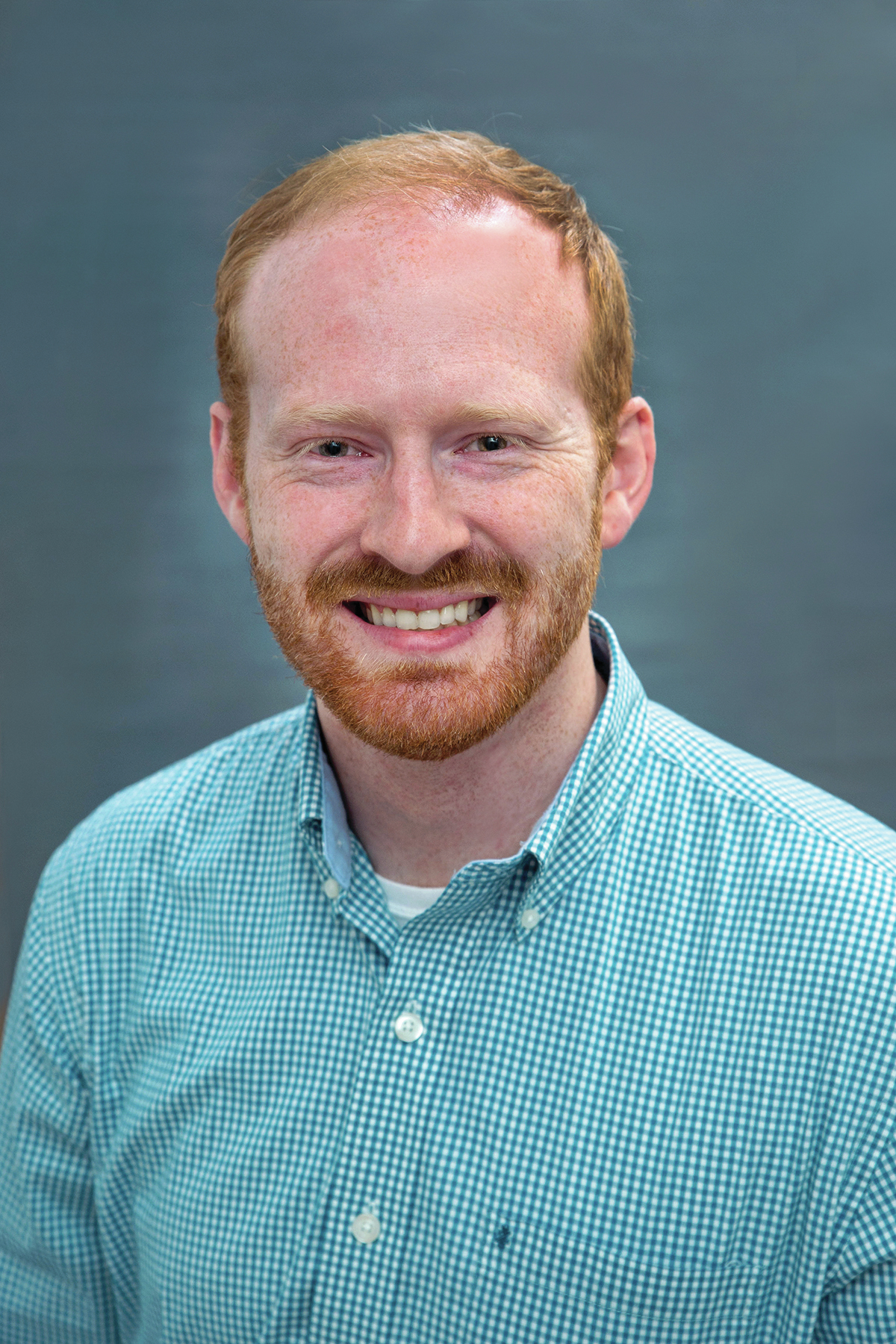 Contributed Photo / Kyle Binkley is the director of outpatient services at Siskin Hospital for Physical Rehabilitation in Chattanooga.