
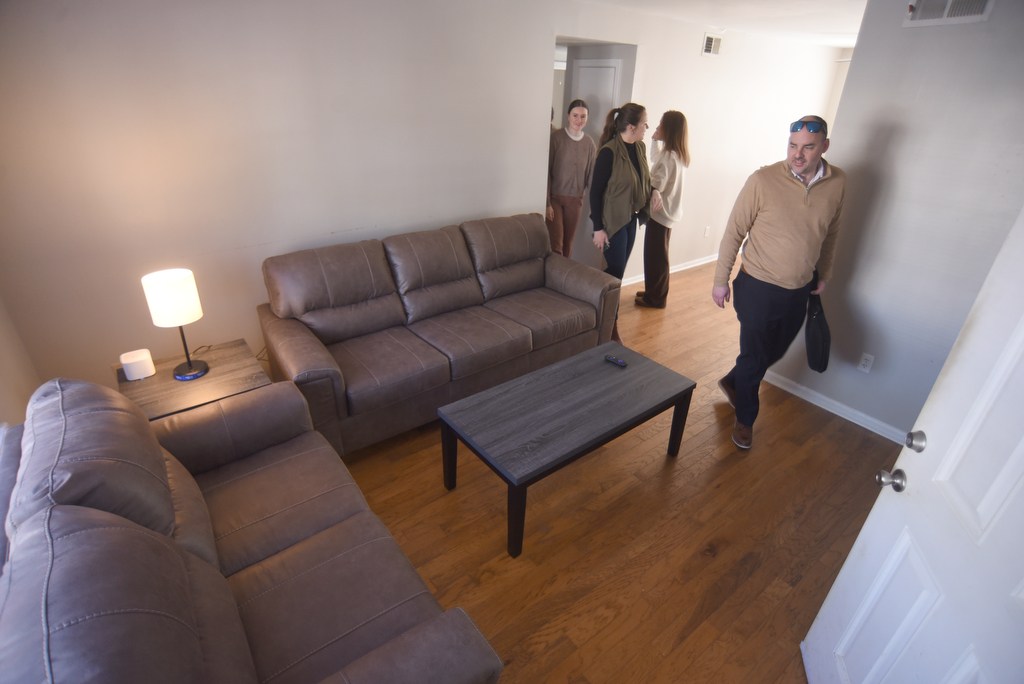
The Conasauga Accountability Courts hopes program participants can find stability through temporary housing while they work on education, mental health and substance abuse recovery.
For many program participants, housing is one of the biggest barriers countering their ability to lead successful lives, and transitional housing gives them a chance to stabilize their lives, Mental Health Court Coordinator Clinton Stroble said.
“These apartments are a symbol of hope,” he said at a Wednesday ribbon-cutting event. “They’re an opportunity to positively affect the lives of the individuals we work with from the time they step into our program. In providing them safe shelter, they can begin to focus on taking their life back and achieving their destiny in this world.”
(READ MORE: New Parkridge center aims to help community improve its mental health)
Two apartments, one for men and one for women, are available through the initiative, which is managed by the Dalton-Whitfield Community Development Corp., according to a news release. Each apartment can accommodate up to four individuals and offers a safe and supportive environment.
Accountability courts offer an alternative to incarceration for certain non-violent offenders with the goal of reducing recidivism and target issues such as mental illness or addiction, according to the court’s website.
An initial interview in the jail is conducted to see whether a person needs access to the transitional housing, Stroble said in an interview. One resident currently lives in the apartments.
Georgia’s Conasauga Judicial Circuit includes Whitfield and Murray counties.
APARTMENT GUIDELINES
Participants can reside in the transitional housing units for up to 90 days, according to the release. They are expected to secure employment, save money and plan for independent housing during this time.
Step-by-step assistance is provided through the program, including access to job placement through partnerships with area businesses like Shaw Industries and Engineered Floors, in addition to budgeting and life skills guidance.
“Our program is designed to be highly structured and supportive,” Stroble said. “Participants receive extensive oversight, including curfews, drug screenings and therapy sessions, while learning how to make positive choices and take control of their lives. The goal is to empower them to become productive members of the community.”
To promote safety and security, the apartments are regularly monitored, and participants undergo random searches and are subject to rules designed to encourage accountability and prevent behavioral relapses, according to the release.
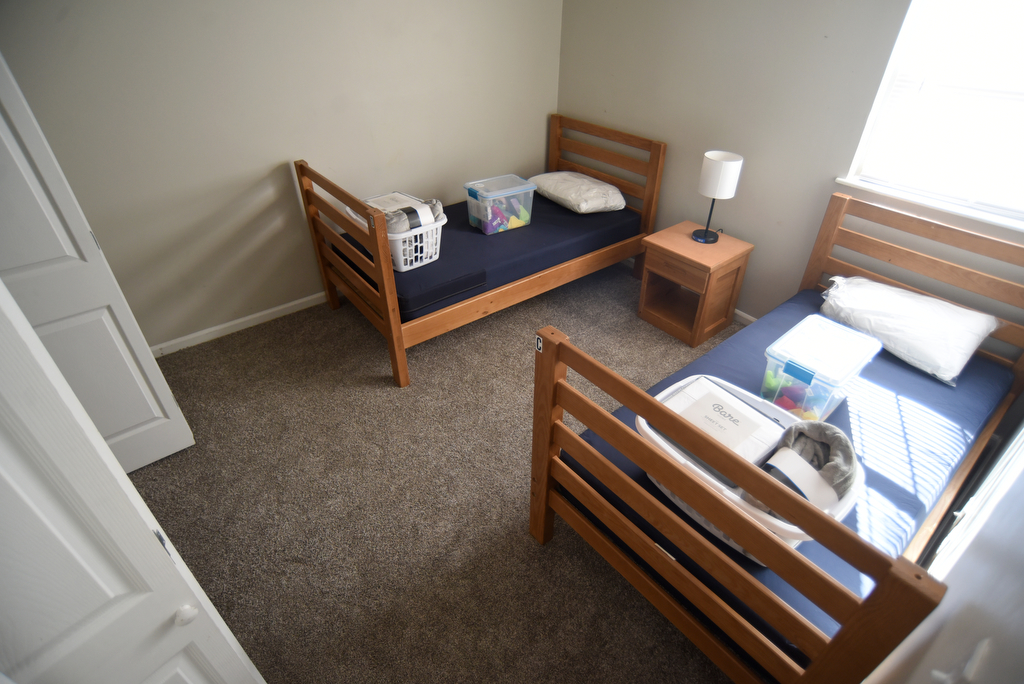
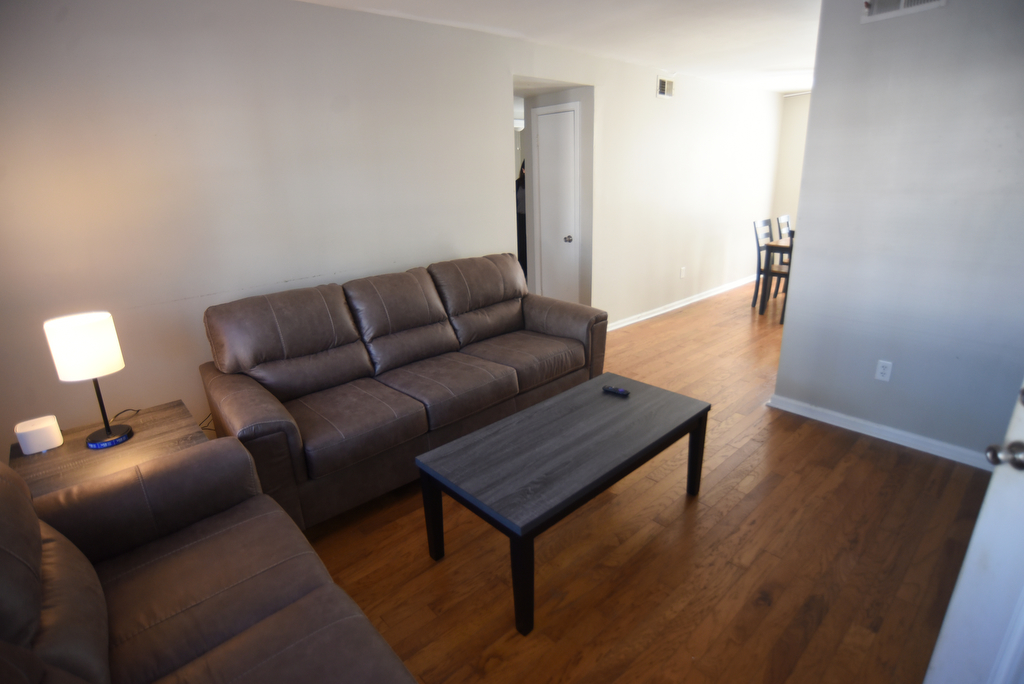
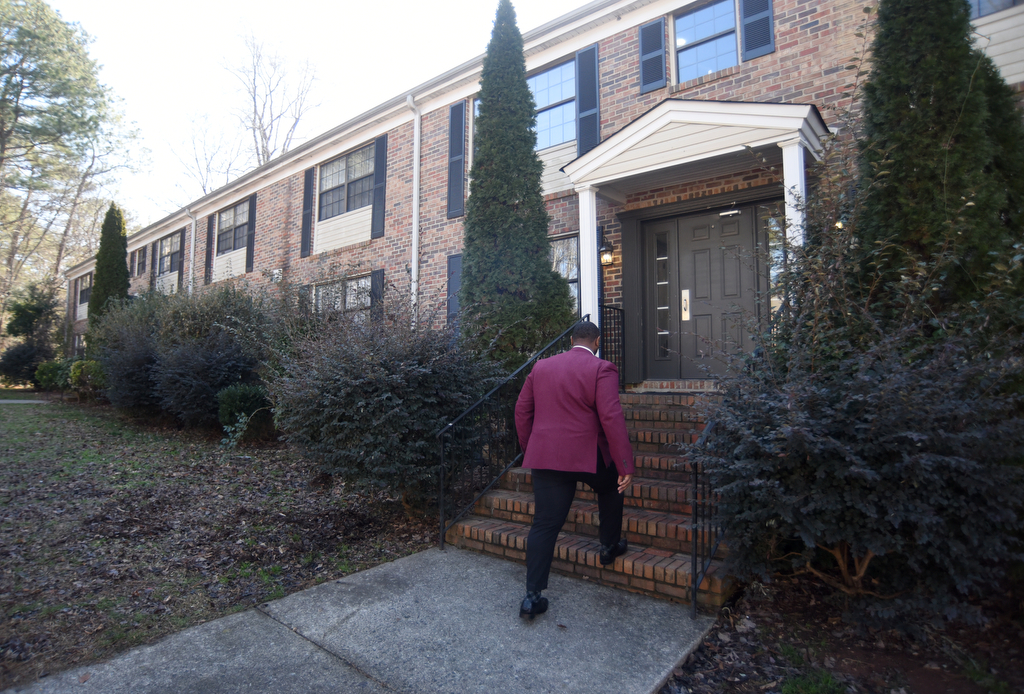
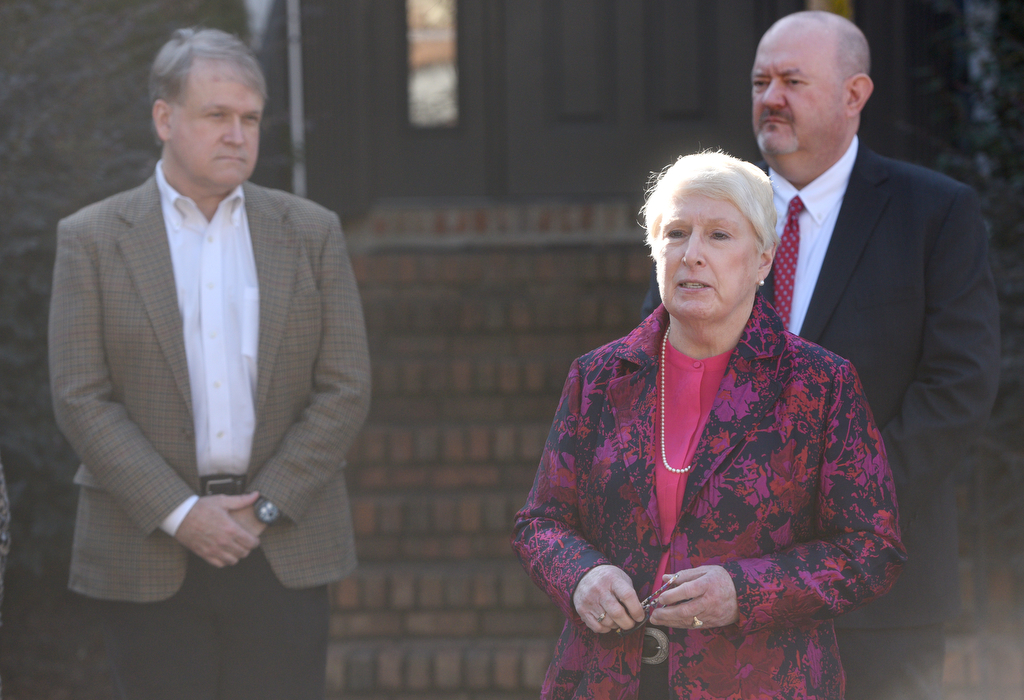
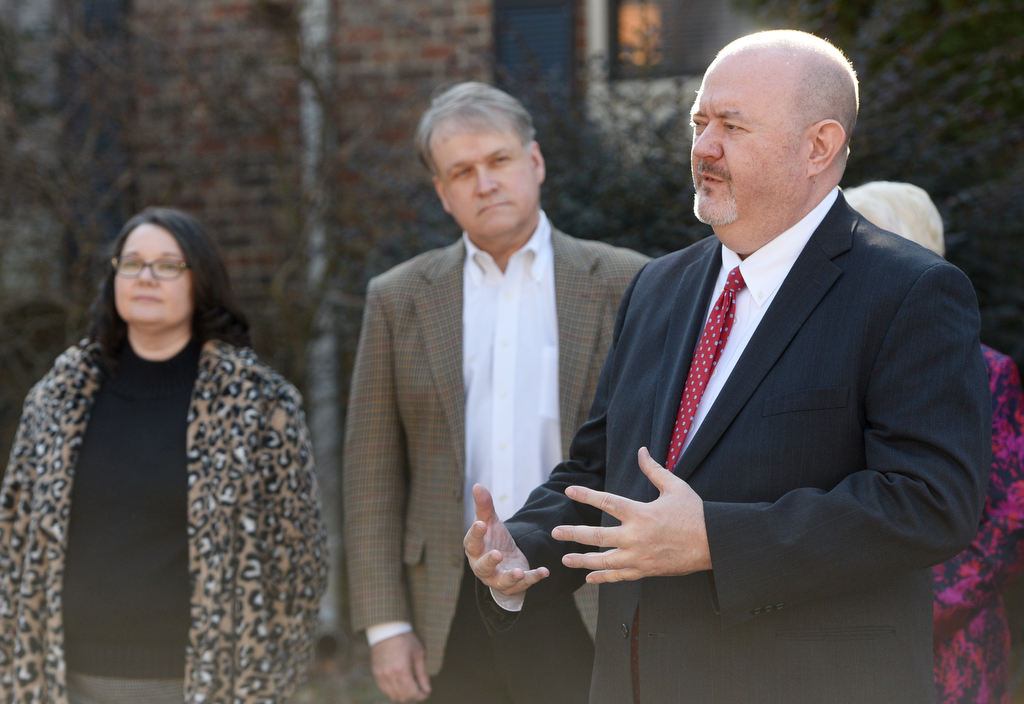


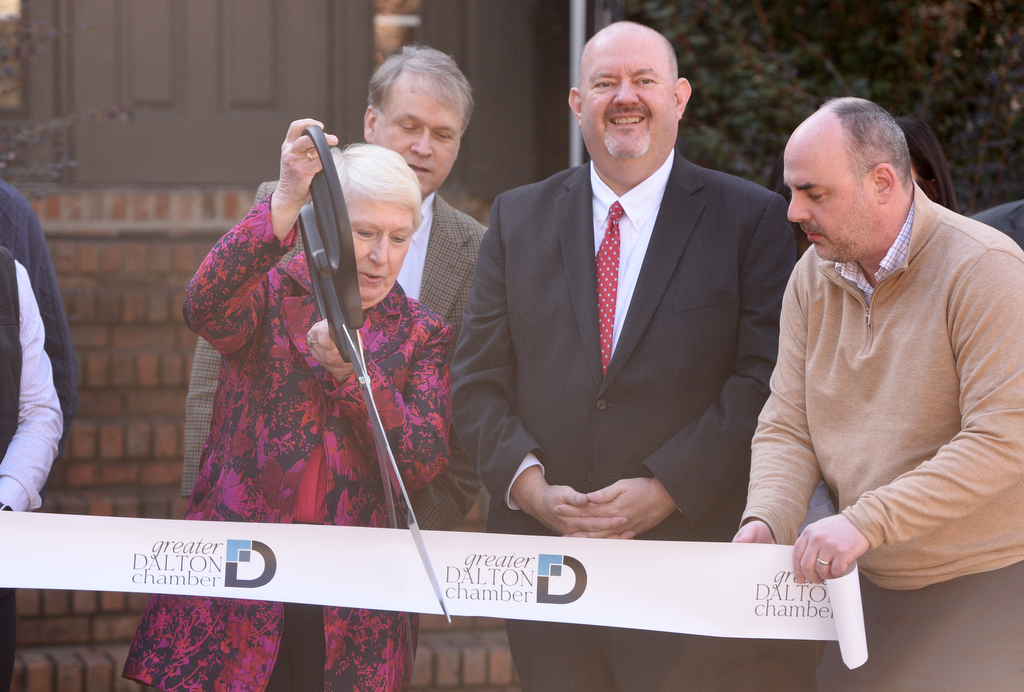
Law enforcement officers act as compliance officers, said Scott Minter, superior court judge for the Conasauga Judicial Circuit. They check on participants after curfew to ensure inappropriate people aren’t there, in addition to illicit substances or alcohol.
Requirements to live in the apartments include being functionally homeless, a part of an accountability court program, being substance abuse free, maintaining a certain level of cleanliness, abiding by curfews and more, Stroble said.
“This project gives us hope for the future,” he said in the release. “By providing a controlled environment and building a community of recovery, we are not only supporting individual participants but also positively impacting the entire community.”
ACCOUNTABILITY COURTS
The Conasauga Accountability Courts include the drug court, mental health court and domestic violence court. While many people are undergoing the evaluation process, the accountability courts serve around 70 participants.
It is anticipated that the addition of transitional housing will expand the courts’ capacity to serve more people, creating better community outcomes, according to the release.
Conasauga Accountability Court programs
— Substance abuse
— Trauma therapy
— Thinking skills
— Life skill therapy
— Private individual therapy
— Employment assistance
— Housing and food assistance
— Assistance with medications, doctor’s appointments and more
Source: Mental Health Court Coordinator Clinton Stroble
All program participants have been charged with a crime, Minter said in an interview.
“They’re criminally involved individuals,” he said. “The goal is to bring them into one of our programs, whichever one is most appropriate for their situation, and teach them a new and better way of life, teach them life skills that can help them get jobs and help them stay out of future trouble. (That) can help them remain sober.”
FUNDING
Funds for the program came from the federal American Rescue Plan Act, allocated by the Whitfield County Commission. According to the release, the project’s funding agreement runs from December 2024 through December 2026, ensuring the funds are fully utilized by the federally mandated deadline of Dec. 31, 2026.
The courts previously faced barriers in taking certain participants, especially women, into accountability programs because they were either homeless or functionally homeless, Minter said at the ribbon-cutting while thanking the commission.
“When I say functionally homeless, I mean they are coming out of an environment that is not conducive to sobriety,” he said. “They’re coming out of a home where other people use. Loved ones or significant others are using, and they just can’t live there anymore while they’re trying to overcome their substance abuse issues and their mental health issues.”
Board Chair Jevin Jensen said at the event the transitional housing initiative checks off two boxes for commissioners: partnerships within local cities, towns and neighboring counties, and grants.
Last year, commissioners set a record in obtaining $9 million in grants to make the community better, Jensen said. As it partners with judges and other elected officials, the board would like to help the judges increase the volume of the accountability courts.
“We want to get these people graduated and out,” he said. “The more people we get in the program and that can finish it, we know when they get out the other end, they’re going to be successful.”
Earlier this week, the Trump administration made efforts to institute a freeze on federal grant spending. On Wednesday, President Donald Trump rescinded the freeze.
Contact Leah Hunter at lhunter@timesfreepress.com or 423-757-6673.