
MESA, Ariz. (AP) — Enrique Lopez votes sporadically but bought into Donald Trump’s vows to fight for everyday workers, helping the Republican flip Arizona last year. Then the home construction contractor watched how the billionaire president opened his second administration.
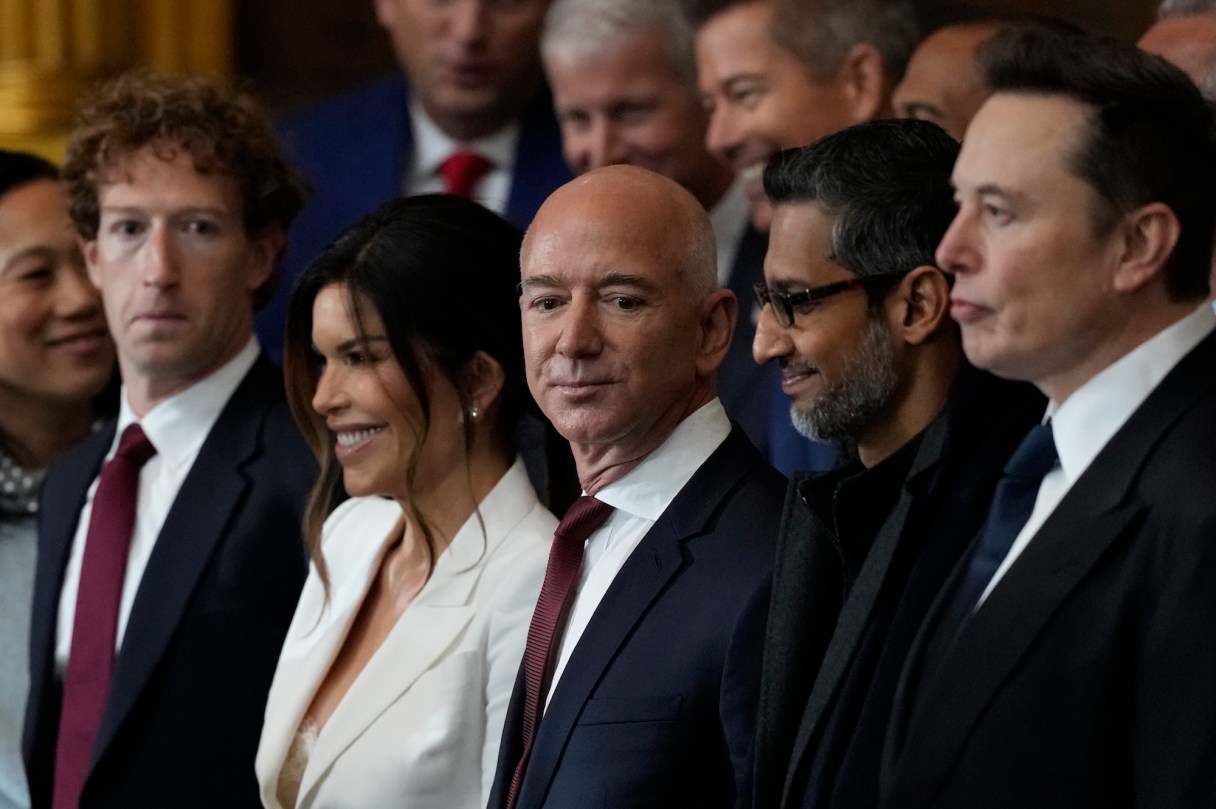
“So, the rich control the poor, I guess. They do whatever they want. They get away with it,” Lopez said after seeing Elon Musk, the world’s richest man, and other tech moguls, notably Meta’s Mark Zuckerberg and Amazon founder Jeff Bezos, at Trump’s limited-seating, indoor inauguration.
The 56-year-old Lopez, a resident of the Phoenix exurb of Apache Junction, said he was also struck by the president’s lack of emphasis on housing costs or consumer interests: “I didn’t hear anything about helping people out.”
Trump insists his overall agenda will help working- and middle-class Americans — notably his executive orders intended to goose domestic energy production and, he reasons, lower consumer costs. Days into his return to power, however, reactions from some voters highlight how difficult it could be for Trump to maintain his populist appeal alongside his embrace of fellow billionaires as well as tariffs and other policies that could stoke the very inflation he criticized as a candidate.
According to AP VoteCast, voters whose total household income in 2023 was under $50,000 were split between Trump and Democratic nominee Kamala Harris, while Trump won more than half of voters whose total household income was between $50,000 and $99,999 and Harris won among voters whose household income was $100,000 or more. The median annual household income in the U.S. is about $81,000. More than half of voters without a college degree supported Trump in the 2024 election, while a similar share of voters with a college degree supported Harris.