
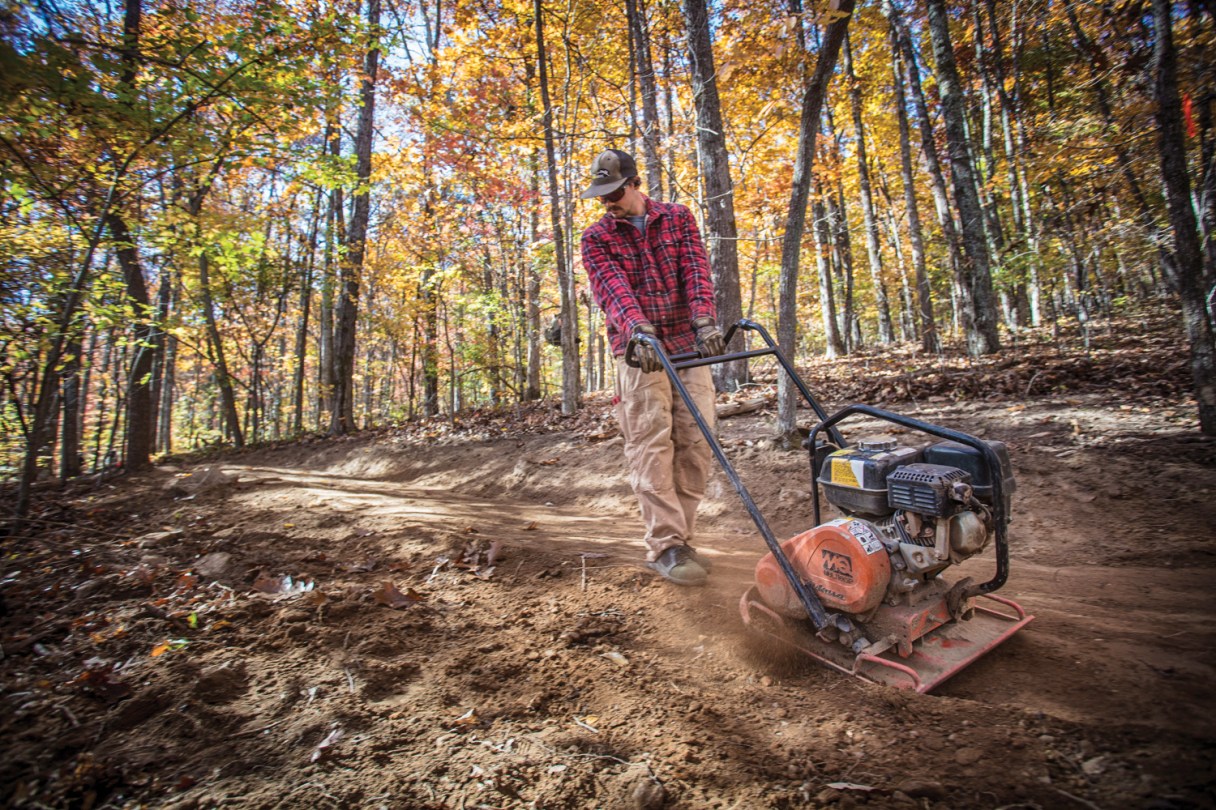
Whether you’re a mountain biker or a hiker, a climber or a birder, trails are vital to your enjoyment of the outdoors. But trails don’t just come out of nowhere. It takes a lot of time and a lot of work to build and maintain them. When done right, you probably won’t even recognize the amount of effort that went into it. You’ll be too busy enjoying the fruits of that labor.
The idea for any trail is that you want it to feel as if it’s been there for a thousand years, says Taft Sibley, board member and past president of the North Chickamauga Creek Conservancy. Trail builders achieve this feeling by paying attention to the little details that others might not consider. For example, if rocks need to be placed in a low spot or across a creek crossing, trail builders will pick up rocks and place them with the mossy side facing up, making it seem like they — and the trail — have been there the whole time.
“When you walk down a greenway, you know you’re on a greenway,” Sibley says. “You’re on concrete. You can see the landscaping. The plants have been properly planted. But when you’re in the woods, you don’t think about the trail.
Building Chattanooga’s trails takes considerable time, work, money and planning
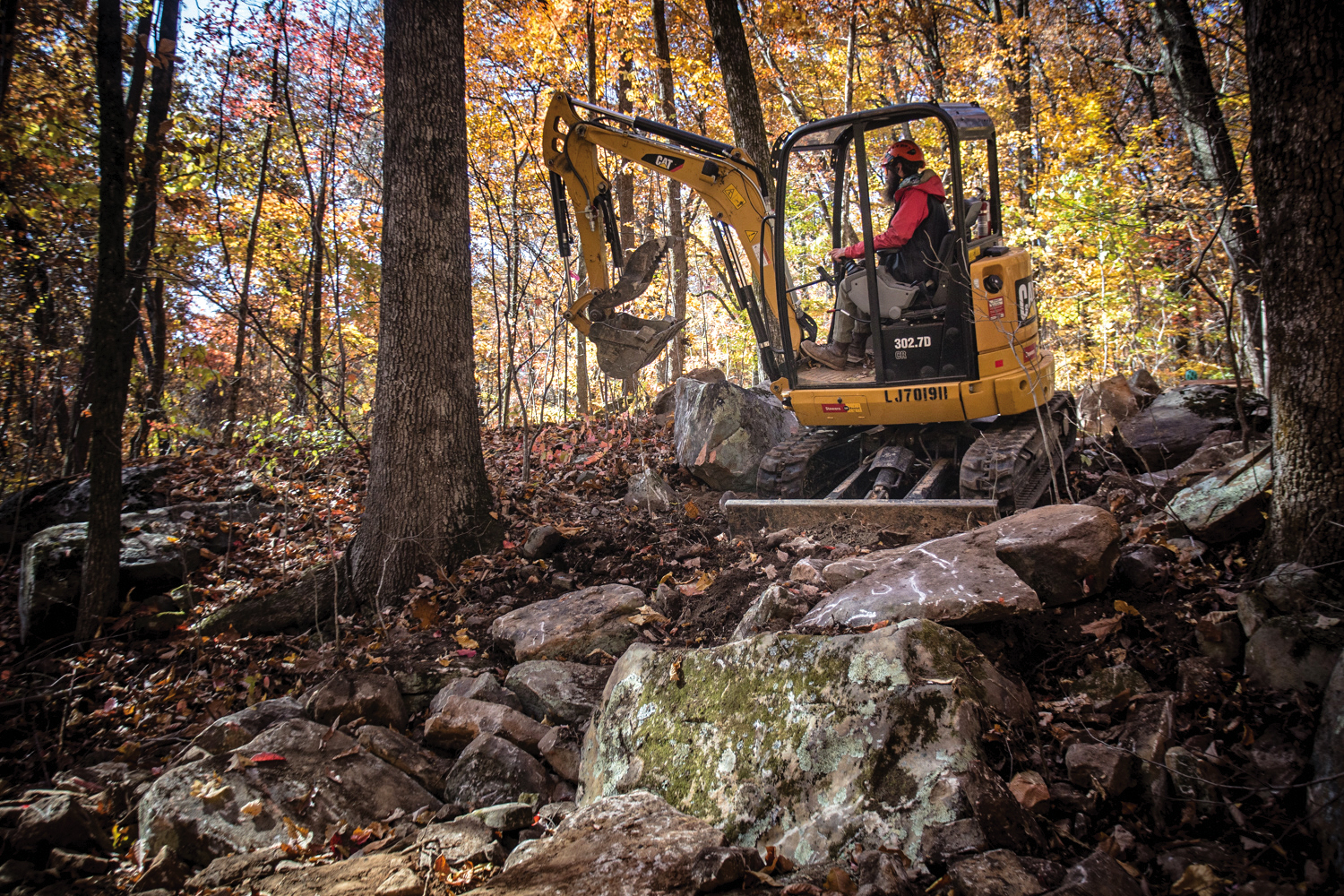
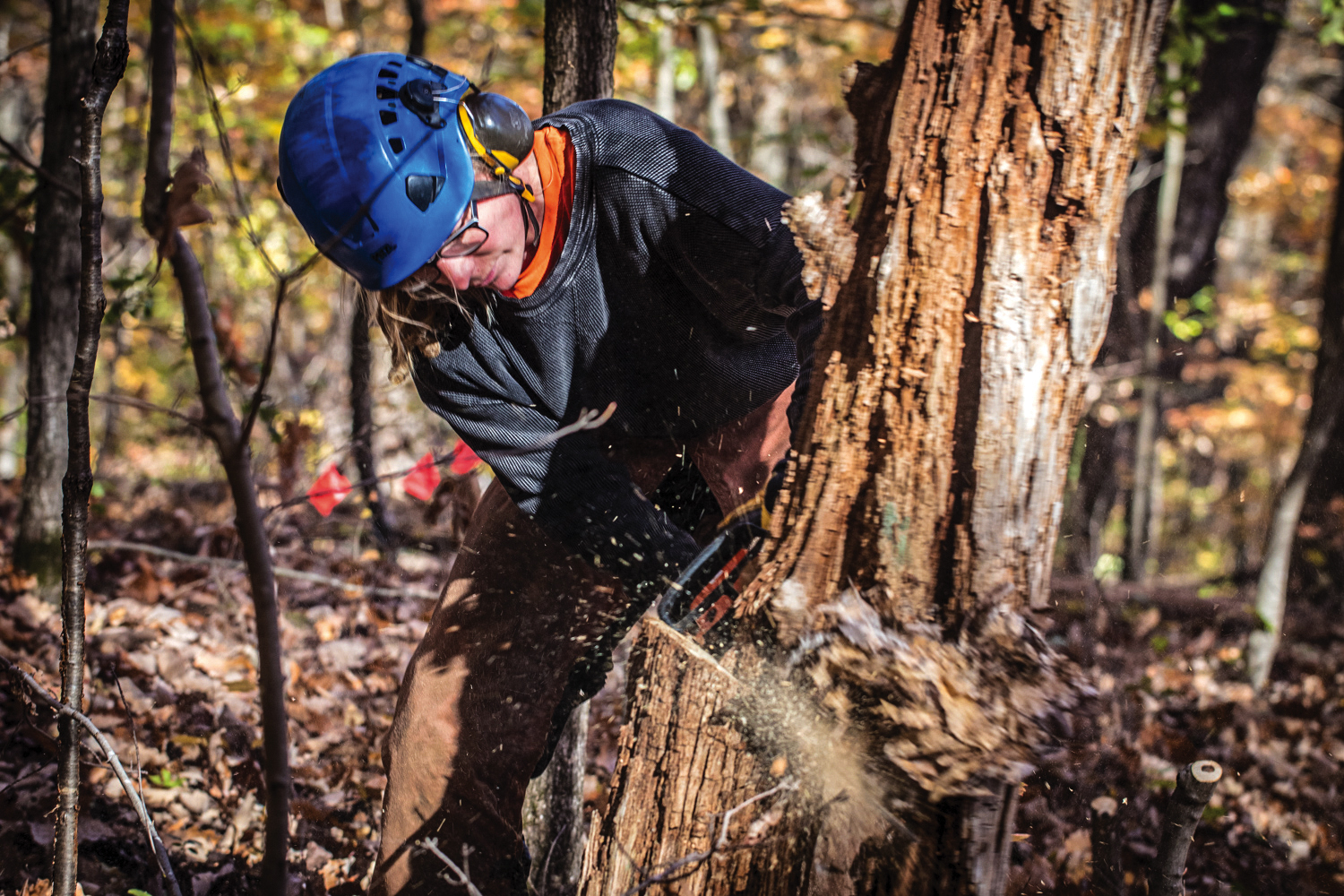
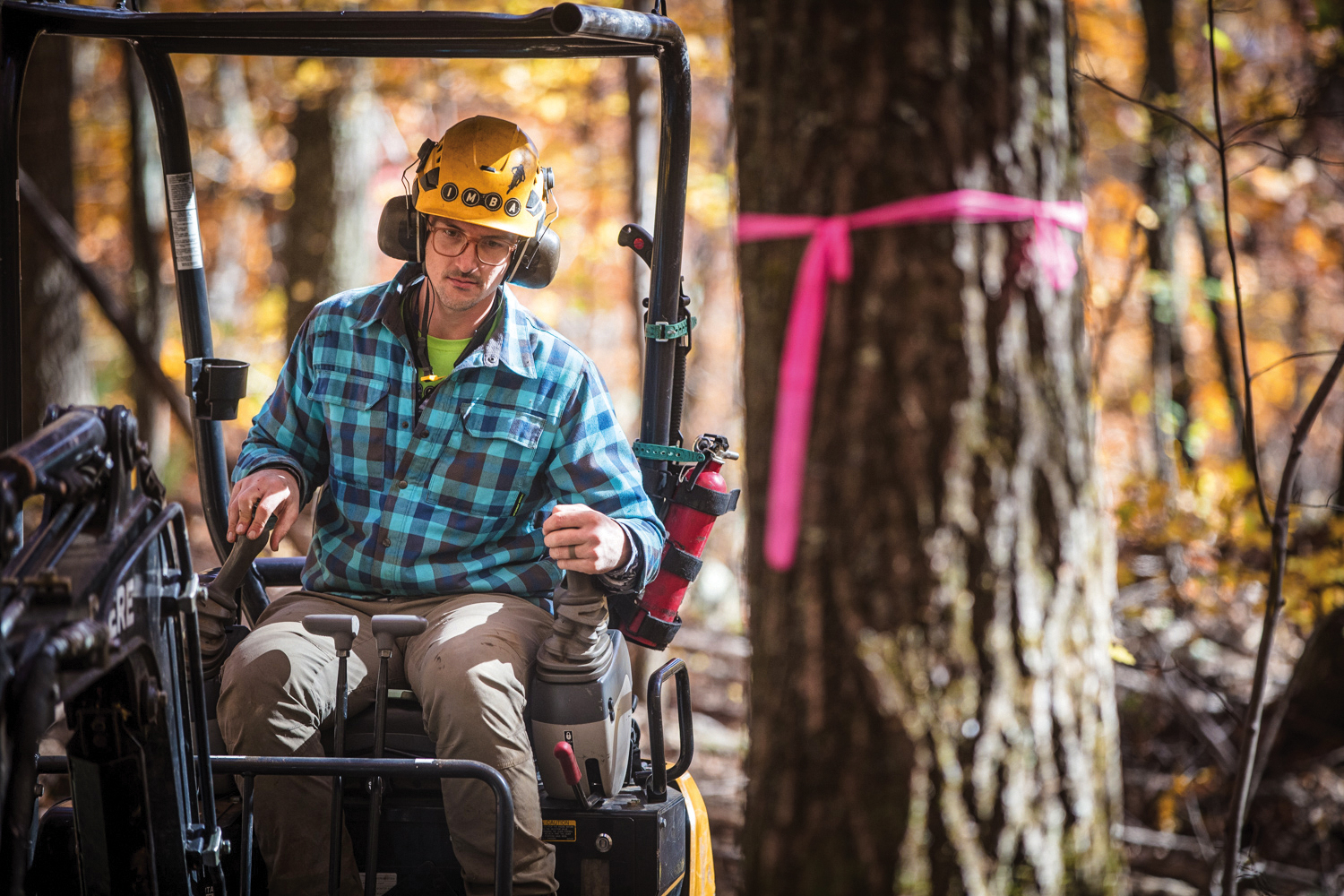
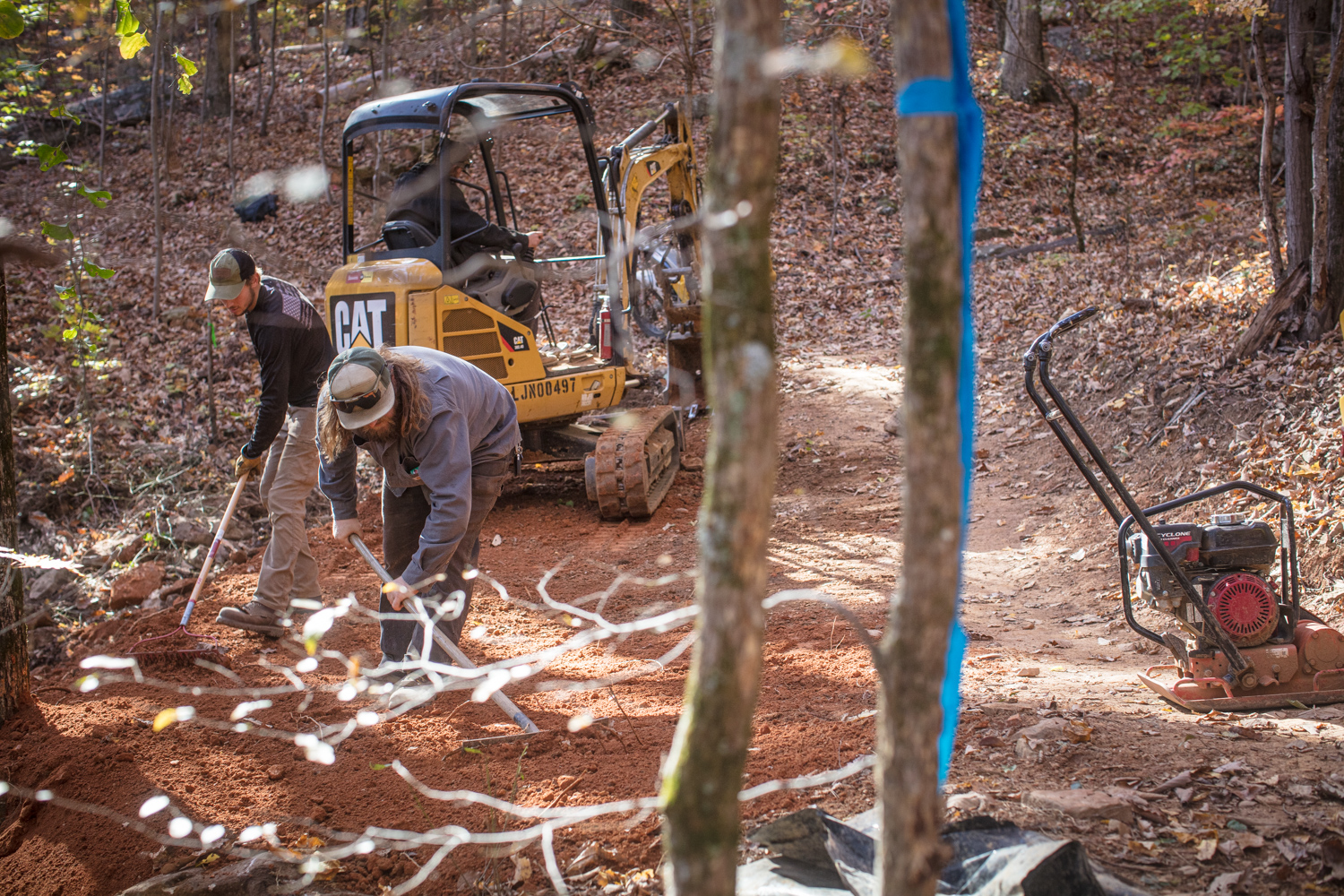
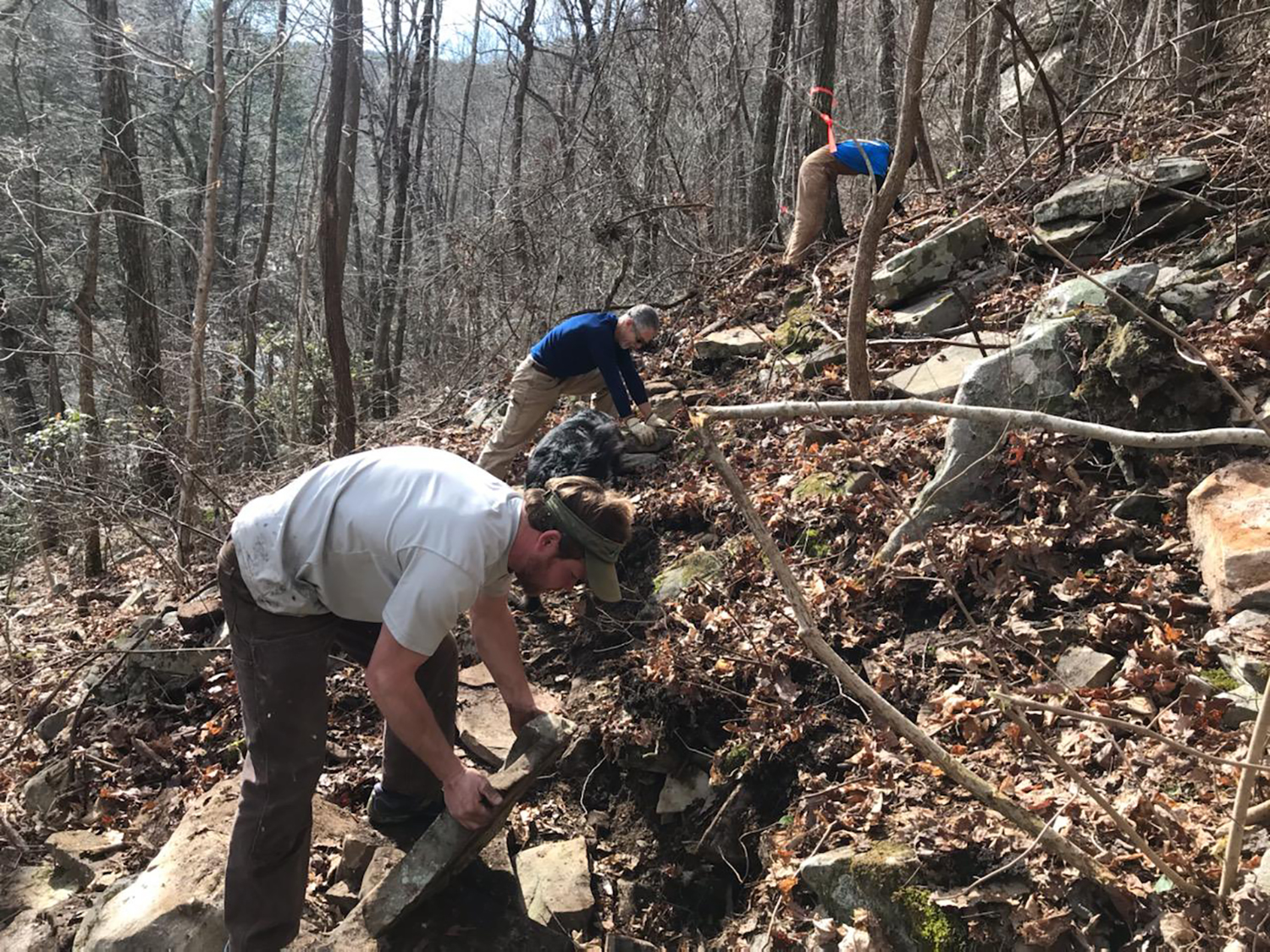
“Every step you take is a step looking left or right and marvelling at the trees or the rocks or the water, whatever might be out there. So in a perfect world, the end user doesn’t pay attention to the trail itself. They just enjoy the time outside.”
You can’t build a trail until you have a site for it. There are various considerations for determining where to put a trail or trail system. Who owns the land? Do they want trails on the land? What features does the land have?
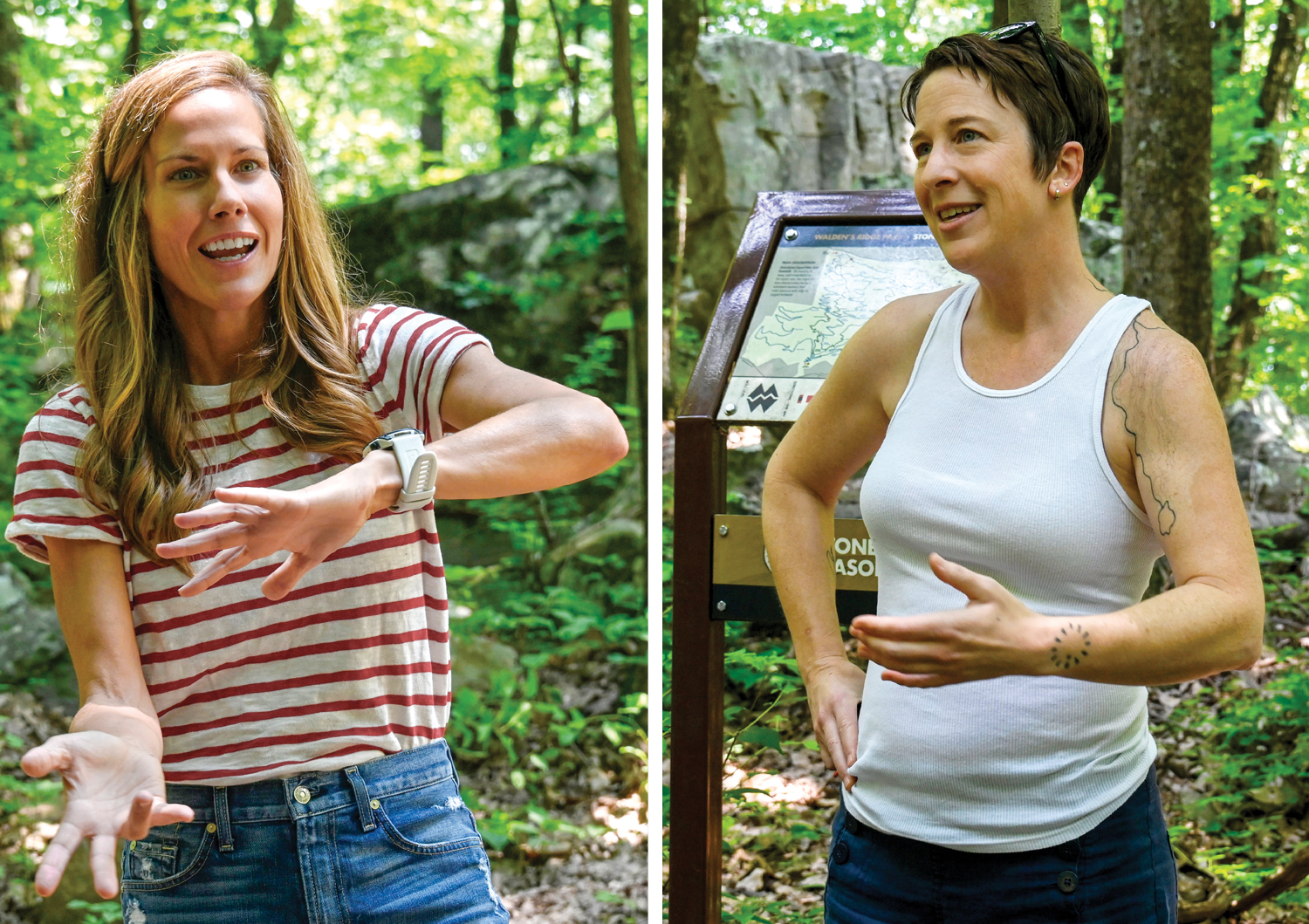
For example, sites like Walden’s Ridge Park and Stringer’s Ridge had land donated that was then developed for recreational use, says Ginny Smith, a board member with Sorba Chattanooga. Sorba, a nonprofit focused on trail access for mountain bikers and outdoor enthusiasts, worked in collaboration with the North Chickamauga Creek Conservancy and other partners to establish Walden’s Ridge Park, which features trails for mountain biking and hiking as well as spots for bouldering.
“It really is just someone saying, ‘I have this land. What can I do with this that gives back to the community?'” Smith says. “And then from there, you go into the use, the fundraising piece, the sustainability piece, environmental sensitivity piece. All of that to then create what you want it to look like or what user groups want it to look like.”
Counting just volunteer time, it took over 2,500 hours to build the trails at Walden’s Ridge Park, say Smith and Sunshine Loveless, Sorba’s executive director. But time isn’t the only thing that racks up when building trail systems. It costs a lot of money as well, Loveless says. Over $1 million, raised through private donors and foundations, went into Walden’s Ridge Park, Smith says.
So once you’ve got your money; you’ve got your location; you’ve built your trail — what comes next? Maintenance.
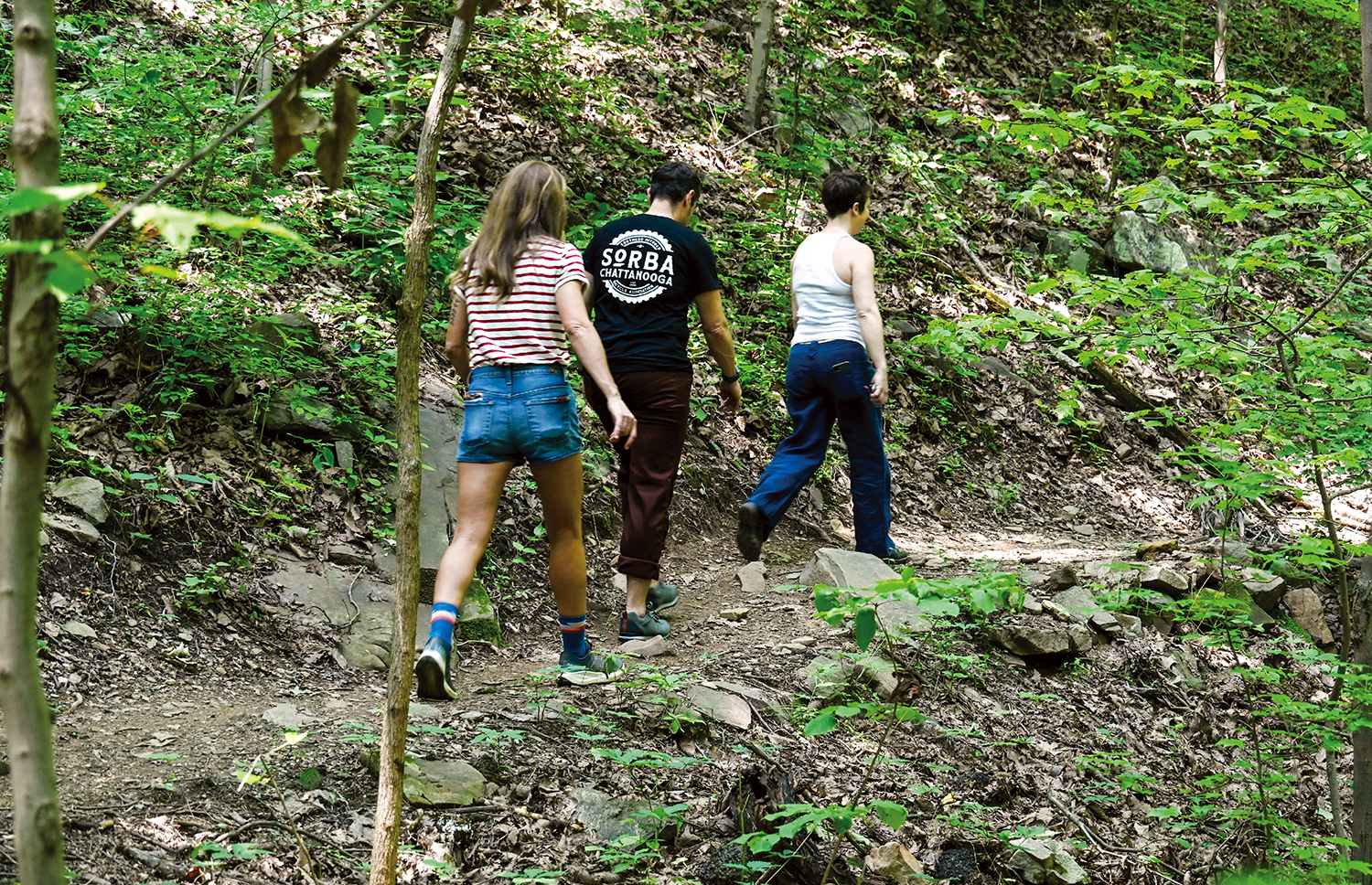
It’s “sexy” to build new trails, and when new trails open, everyone is excited, says Tara Gee, Sorba’s trail crew lead. But trails don’t stay new. Storms can roll through and knock down hundreds of trees, for example. That has to be taken care of.
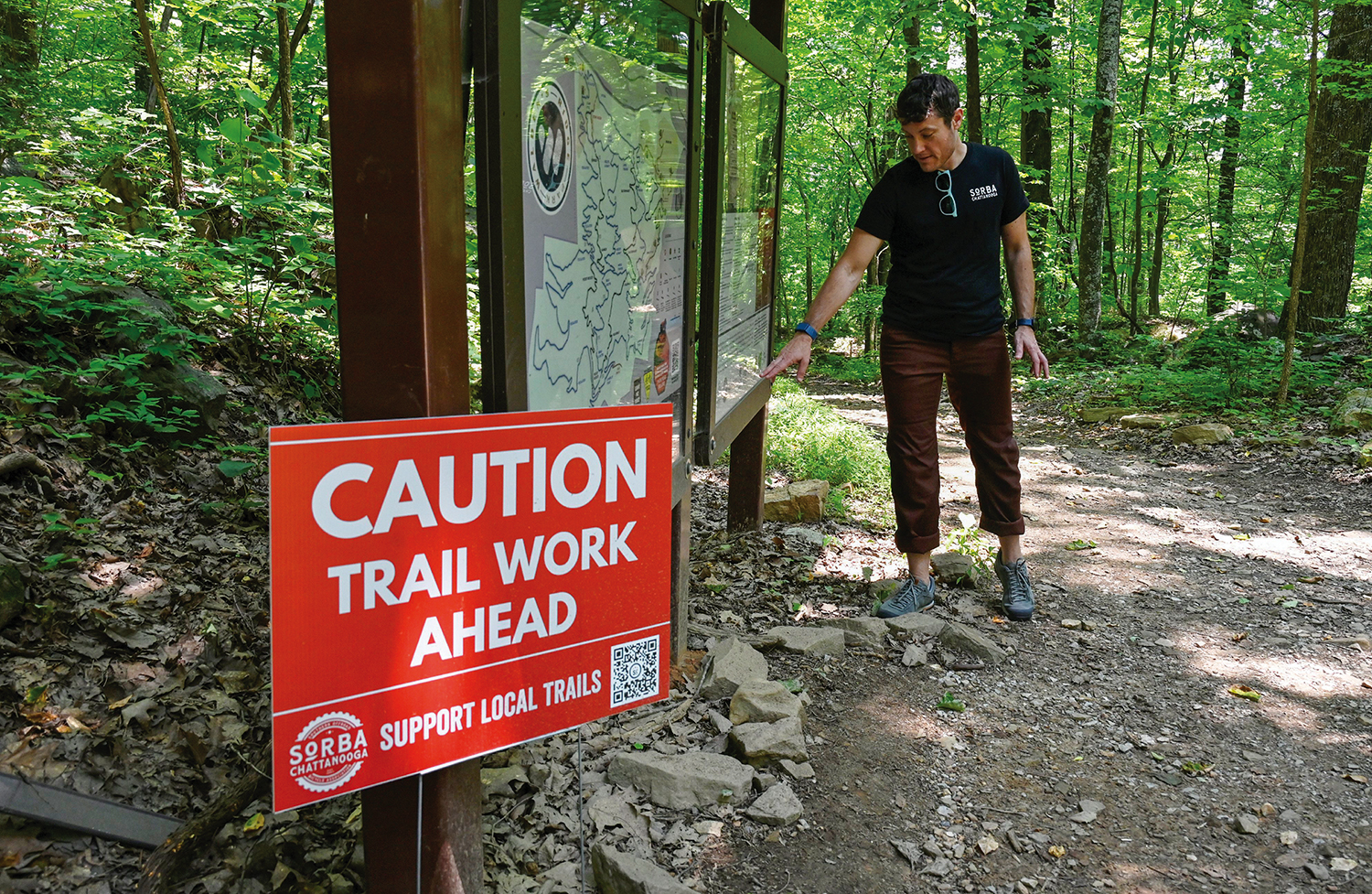
Trail maintenance, just like trail building, requires considerable work and money. If not maintained, a technical trail system like the one at Walden’s Ridge Park poses a risk of injuring users, Gee says. The system is also at risk of vanishing altogether.
Maintenance has to happen to ensure the longevity of the trails.
“I think it’s just that understanding that they don’t just appear,” Loveless says of trails. “We do need help. We need volunteers to come show up. It’s as simple as kicking a stick off the trail. It’s as simple as, ‘Oh, that’s going to whack me in the face when I ride by.’ Trim it back.
“Everyone can be a trail steward. It’s that simple.”
For more information, visit waldensridgepark.com, sorbachattanooga.org, trgt.org/stringers or northchick.org.