
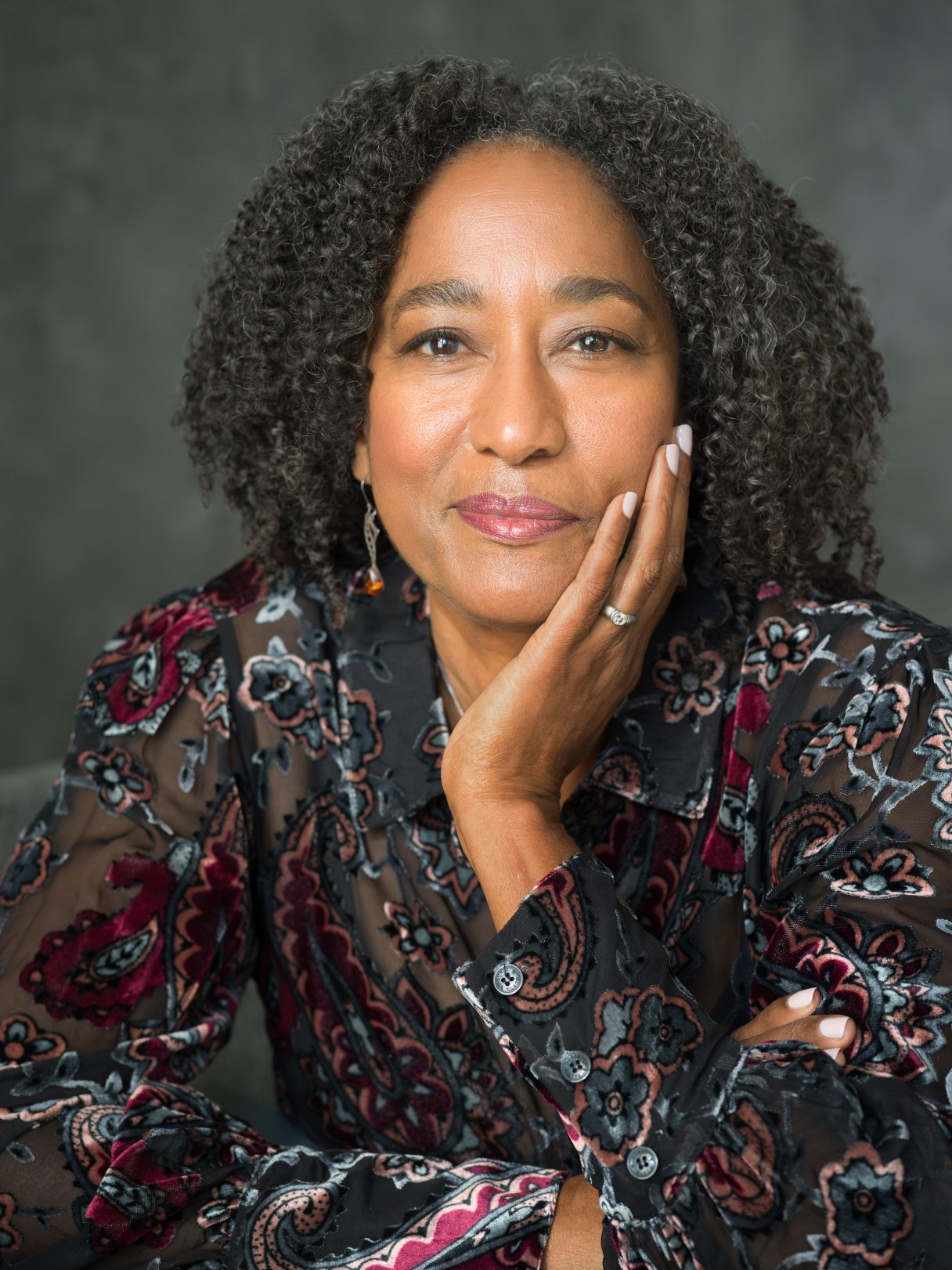
“LOVE, RITA: AN AMERICAN STORY OF SISTERHOOD, JOY, LOSS AND LEGACY” by Bridgett M. Davis (Harper, 384 pages, $30).
Bridgett Davis’ memoir “Love, Rita: An American Story of Sisterhood, Joy, Loss and Legacy” is both a tribute to Davis’ extraordinary older sister Rita, who died of lupus in 2000 at age 44, and a chronicle of the systemic racism that likely hastened her death. It is also an attempt to answer the heartbreaking question Davis raises in the prologue: “Why couldn’t I save her? Why didn’t I?”
Davis — who focused on her mother in her earlier memoir, “The World According to Fannie Davis” — uses memories, letters and interviews with Rita’s friends to create a vivid portrait of Rita: her resourcefulness, perseverance, elegance and unflagging care for her loved ones. A test driver, amateur belly dancer, MBA recipient and special-education teacher, Rita was also the first in the family to graduate from college, moving from Detroit to Nashville, the Davis family’s “ancestral home,” to attend Fisk University.
As an adult, Rita’s resilience was challenged by the racism she experienced in the form of a racially motivated firing and a real estate scam that targeted Black homeowners. In each case, Rita fought back and won. No matter what obstacles she faced, she maintained her generosity and kindness. Of her sister’s remarkable ability to connect with people, Davis writes, “It’s what I envied and admired about Rita, in equal doses…. I think because she had a special quality, this way of really seeing someone, never looking through or past him or her, all kinds of people were naturally drawn to Rita.”
The sisters’ relationship was complex, evolving from childhood jealousy to mutual admiration to the powerful bond that developed as they navigated the deaths of their parents and siblings. When their father was hospitalized for hypertension-related heart disease, the family was confident he would get proper care, and that faith persisted when Rita was diagnosed with lupus: “I thought we were lucky to be that kind of Black family, with resources and access,” Davis recalls. However, their father died in the hospital at age 51. Rita and Bridgett’s three other siblings and their mother also died prematurely, all of preventable causes.