
August means the start of school, but Georgia is still ironing out the list of who can access a new private and home school grant fund that’s got more money than applicants.
About 8,600 students will be eligible for $6,500 in public money for their families to spend on private schools, home school materials or other educational services this school year, according to a July 22 statement from the Georgia Student Finance Commission.
But the headline 8,600 figure is a little off, too. The agency is continuing to review applications and initiated new data checks after The Current asked why Bryan County was listed among the home counties of funding recipients. The money is meant for children whose schools have the lowest test scores in the state — and that doesn’t include Bryan’s highly ranked schools.
Chatham and Liberty are the only coastal systems where any students should be eligible. The finance commission’s statements over the past few months all counsel caution with all published numbers, saying the numbers are subject to change as student validation continues.
About one in four of the approximately 8,600 eligible students statewide come from families that earn more than four times the federal poverty income level, according to the state. (That number varies with family size, but for a family of four, it means an income above about $129,000.)
And Georgia won’t activate a rule prioritizing poorer families — instead, it will fund every eligible applicant.
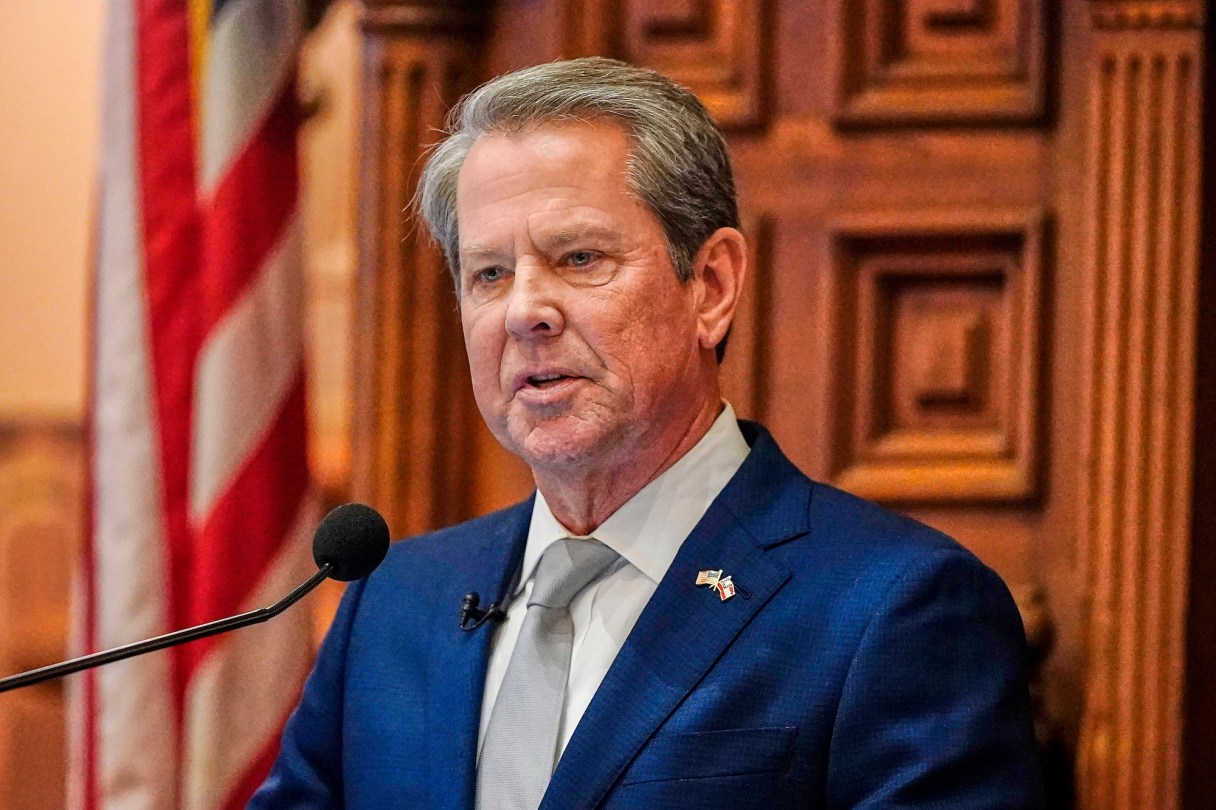
Georgia Republican Gov. Brian Kemp asked for and received $141 million in state funding for the program, enough to bankroll an ambitious 21,000 students statewide. Whatever is not spent can be reallocated during the legislative session early next year.
About 64% of eligible students’ families plan to use the money for private school tuition, according to the finance commission’s working numbers. Another 16% would buy into home school programs or materials, and another 14% would spend the money on support services like tutors or speech therapists. The rest of the families haven’t indicated a spending plan yet.
The program has also had administrative problems since the beginning. Late last year, the governor’s office issued, then took back, the list of schools deemed underperforming, citing validation problems. And an expansive interpretation of the law means thousands more students are eligible than some legislators believed.
The Georgia Student Finance Commission promised a new count of eligible students as early as this week and more granular data about spending in the coming weeks.
The money is a long-term project of mainly suburban metro Atlanta and small-city Georgia Republican legislators who have long endorsed private school tuition grants, saying it means choice for parents whose kids are in failing schools.
But rural Republicans haven’t historically been interested because their sparsely populated districts lack many private schools their constituents could choose anyway.
And Democrats have argued that private or home schools are relatively unaccountable, or so expensive that a grant couldn’t put a working-class kid in a private school — the money would just be a partial subsidy to kids who would be sent to private school in any case.
Opponents have also argued that spending public money on private schools could undermine public school funding.
But Georgia legislative Republicans united in 2024 on a bill once it had some amendments: like limiting funding to 1% of what’s spent on public schools and prioritizing children from lower-income families.
This article first appeared on The Current and is republished here under a Creative Commons Attribution-NoDerivatives 4.0 International License.