
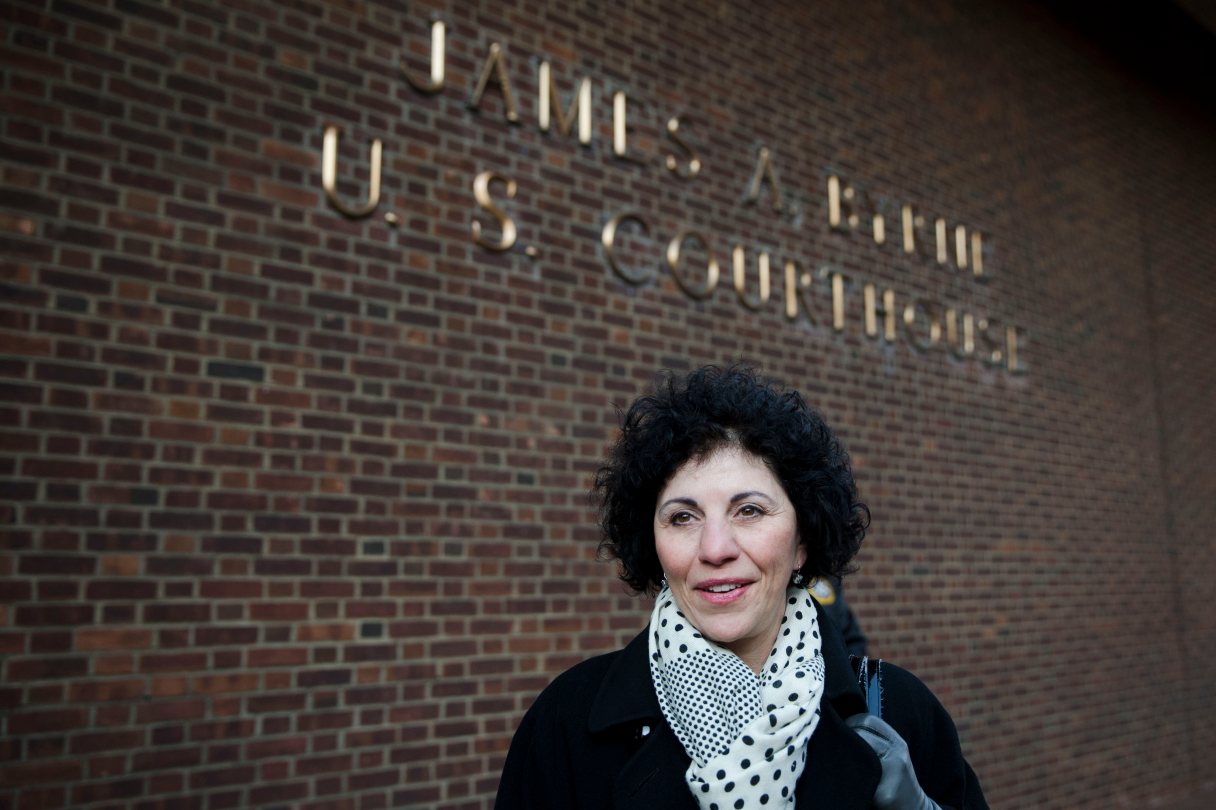
BOSTON — Dozens of widows and other caregivers for former NFL players diagnosed with CTE say a published study is insulting and dismissive of their experience living with those with the degenerative brain disease that has been linked to concussions and other repeated head trauma common in contact sports such as football.
An open letter signed by the players’ wives, siblings and children says the study published in the May 6 issue of Frontiers in Psychology suggests their struggles caring for loved ones was due to “media hype” about chronic traumatic encephalopathy, rather than the disease itself. The implication that “caregiver concerns are ‘inevitable’ due to ‘publicity’ is callous, patronizing, and offensive,” they said.
“The burden we experienced did not happen because we are women unable to differentiate between our lived experience and stories from TV or newspaper reports,” they wrote in the letter. “Our loved ones were giants in life, CTE robbed them of their futures, and robbed us of our futures with them. Please don’t also rob us of our dignity.”
The pushback was led by Dr. Eleanor Perfetto, herself a medical researcher and the widow of former Pittsburgh Steelers and San Diego Chargers end Ralph Wenzel, who developed dementia and paranoia and lost his ability to speak, walk and eat. He was first diagnosed with cognitive impairment in 1999 — six years before Steelers center Mike Webster’s CTE diagnosis brought the disease into the mainstream media.
“My own experience, it just gave a name to what I witnessed every day. It didn’t put it in my head,” Perfetto said in an interview with The Associated Press. “It gave it a name. It didn’t change the symptoms.”