
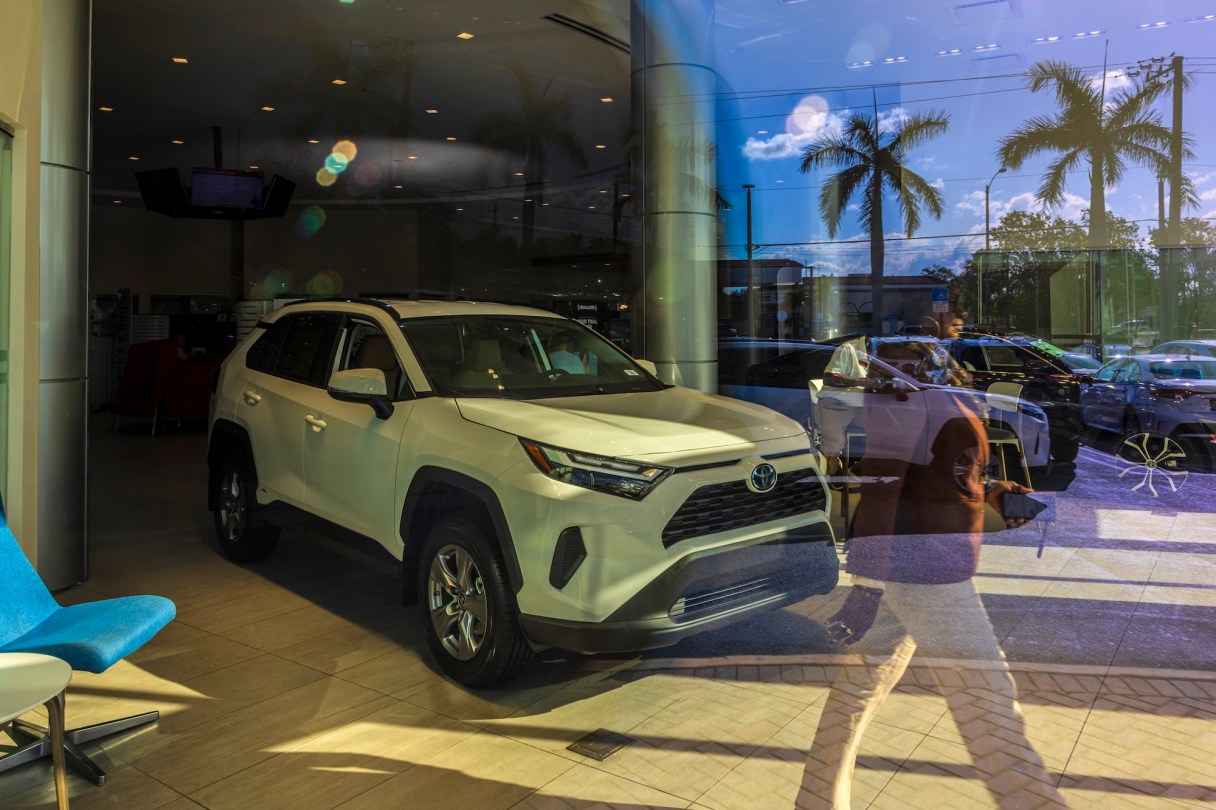
There are a lot of things Sarah Martens likes about the 2025 Toyota Highlander hybrid she bought a few months ago. Its pearlescent white paint shimmers in the sunlight. It has lots of safety features. And for a large sport utility vehicle, it sips gasoline, getting nearly 30 mpg at times.
But the thing she likes most: It doesn’t feel like a hybrid.
“It’s so smooth,” said Martens, a Pilates instructor in Ann Arbor, Michigan. “When it starts off from a stoplight or switches from electric to gas, I can’t tell I’m driving a hybrid. It just seems like I’m driving a normal car.”
Not so long ago, it seemed the heyday of hybrids had come and gone. As Tesla and the potential of electric vehicles grabbed the imaginations of drivers and automakers, hybrids appeared destined to be remembered as an interim step on the way toward a fully electric, emissions-free future.
Just four years ago, for example, General Motors set a goal of ending production of all internal combustion models by 2035, and all but eliminated hybrids from its future product plans. Other manufacturers also bet heavily on electric vehicles and scaled their hybrid plans.