
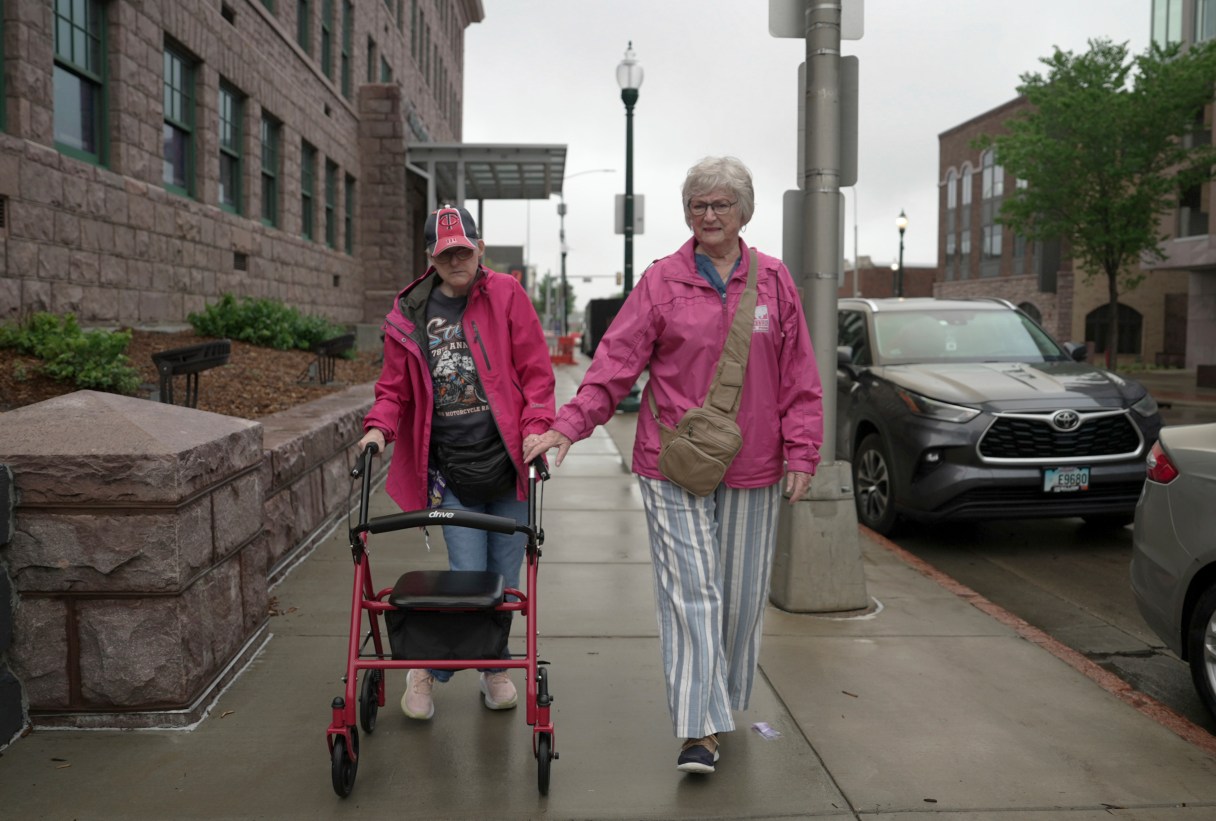
SIOUX FALLS, S.D. (AP) — In the time before widespread vaccination, death often came early.
Devastating infectious diseases ran rampant in America, killing millions of children and leaving others with lifelong health problems. These illnesses were the main reason why nearly one in five children in 1900 never made it to their fifth birthday.
Over the next century, vaccines virtually wiped out long-feared scourges like polio and measles and drastically reduced the toll of many others. Today, however, some preventable, contagious diseases are making a comeback as vaccine hesitancy pushes immunization rates down. And well-established vaccines are facing suspicion even from public officials, with Robert F. Kennedy Jr., a longtime anti-vaccine activist, running the federal health department.
“This concern, this hesitancy, these questions about vaccines are a consequence of the great success of the vaccines – because they eliminated the diseases,” said Dr. William Schaffner, an infectious disease expert at Vanderbilt University Medical Center. “If you’re not familiar with the disease, you don’t respect or even fear it. And therefore you don’t value the vaccine.”
Anti-vaccine activists even portray the shots as a threat, focusing on the rare risk of side effects while ignoring the far larger risks posed by the diseases themselves — and years of real-world data that experts say proves the vaccines are safe.