
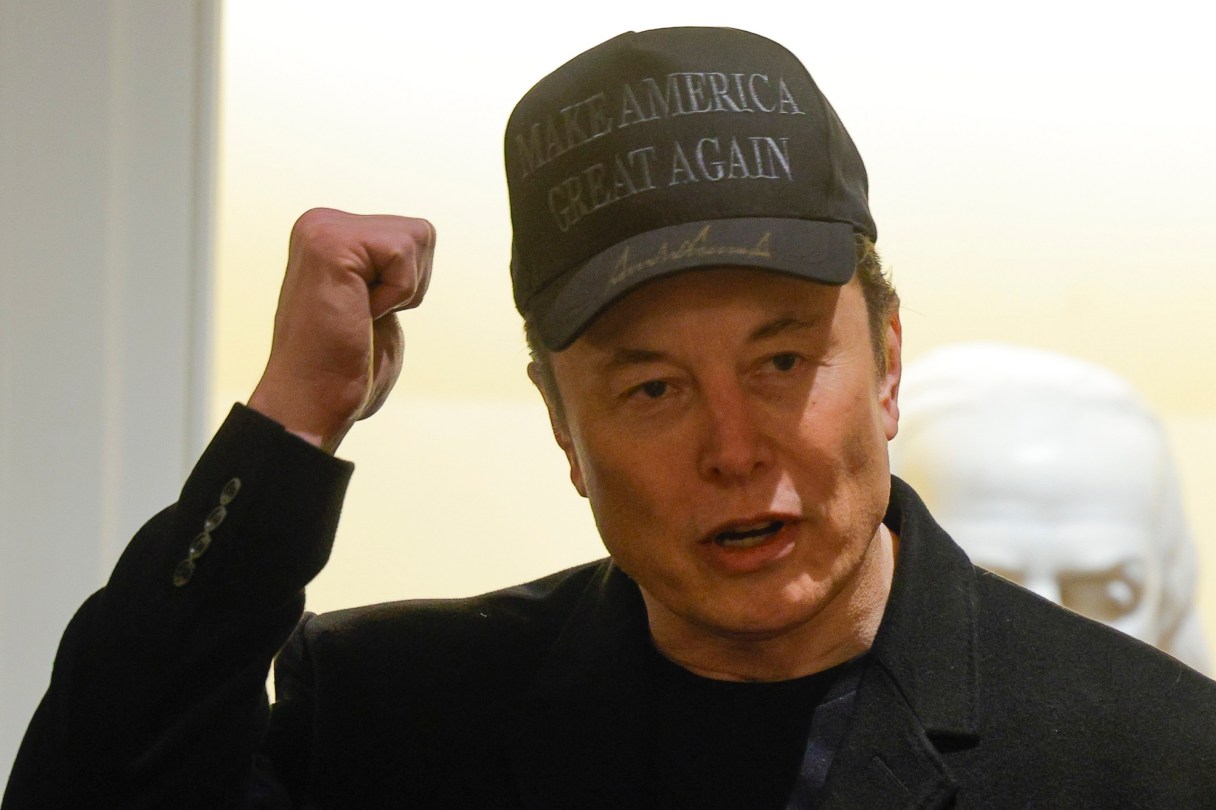
Elon Musk’s Department of Government Efficiency is sowing confusion and chaos, ordering mass firings of government employees and canceling programs despite having no formal legal authority. In a recent decision, Federal District Court Judge Tanya Chutkan noted that Musk’s actions likely violate the Constitution because he has not been appointed by the president nor confirmed by the Senate. Yet the judge rejected a lawsuit to stop DOGE brought by 14 state attorneys general because she held they lacked standing since they had not identified the specific harms their states suffered.
The AGs’ lawsuit, which was filed when Musk was just getting started, can be brought again with more facts to support it. There will also be other lawsuits by individuals who have already lost their jobs and clearly have standing to challenge DOGE’s legality. Some of these lawsuits will likely prevail, and some district court judge, possibly Chutkan, will likely order DOGE to pause its operations in the coming weeks. The Trump administration will appeal, but the irregularity of DOGE is so obvious, legally speaking, that the U.S. Court of Appeals for the DC Circuit will almost certainly affirm the lower court. The Supreme Court is likely to let lower court decisions stand, finding DOGE’s actions unlawful.
But the high probability that the courts will halt DOGE’s operations will be only one episode in an arc with a series’ worth of material. Further litigation would be necessary to unwind what DOGE will already have done. That will take time.
The upshot is that many DOGE actions will have lasting consequences, regardless of their illegality when they were first taken. Companies regulated by agencies whose employee ranks have been thinned can expect regulatory enforcement to decrease in proportion to the loss of staff. The same applies to industries that need government approvals to do business: If there are fewer staffers to approve applications, the process will slow accordingly.
To be sure, specific sectors that require government funds can lobby the Trump administration to reverse or choose not to reaffirm the DOGE cuts. Some of those efforts will doubtless succeed. Those sectors can also lobby Congress to resist DOGE-initiated cuts with specific appropriations bills, although Trump would have to sign those.