
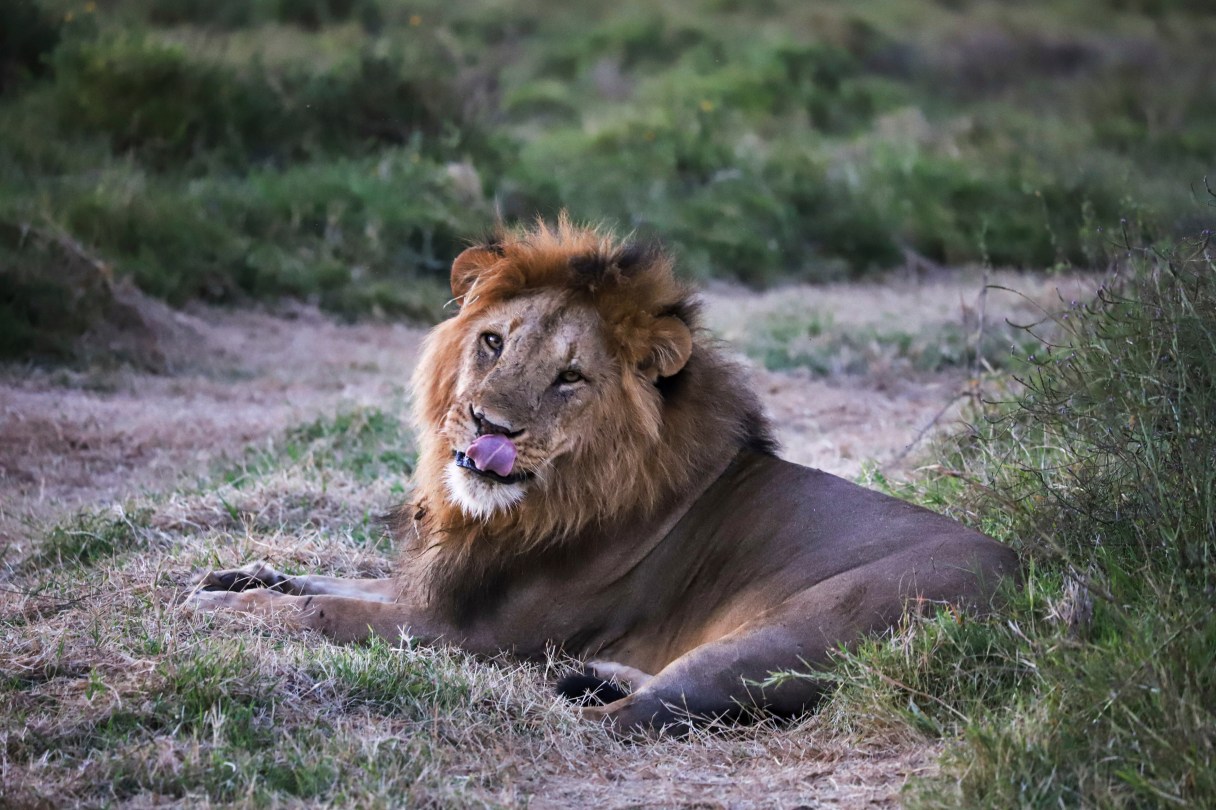
LEWA, Kenya (AP) — As nations mark World Wildlife Day, conservationists in Kenya are warning of shrinking wildlife spaces in the east African country that generates substantial revenue from wildlife tourism.
While conservation efforts over the past two decades have led to the recovery of many threatened species, the animals are losing wide swaths of habitat because of threats stemming from climate change and destructive human behavior, activists warn.
But they also cite an opportunity in what are known as wildlife corridors — strips of land connecting areas that would otherwise be separated by human activities. By allowing free movement of animals and reducing incidents of human-wildlife conflict, such corridors support the growth of wildlife populations.
One conservation group that is trying to create such corridors is Lewa Wildlife Conservancy, which lies about 260 kilometers (160 miles) north of Nairobi, the Kenyan capital. Lewa is owned by a nonprofit that has acquired more land in recent years in a bid to connect Mount Kenya forest preserve to rangelands in northern Kenya. The sanctuary is home to 14% of Kenya’s remaining black rhinos, in addition to other mammal species ranging from lions to zebras.