
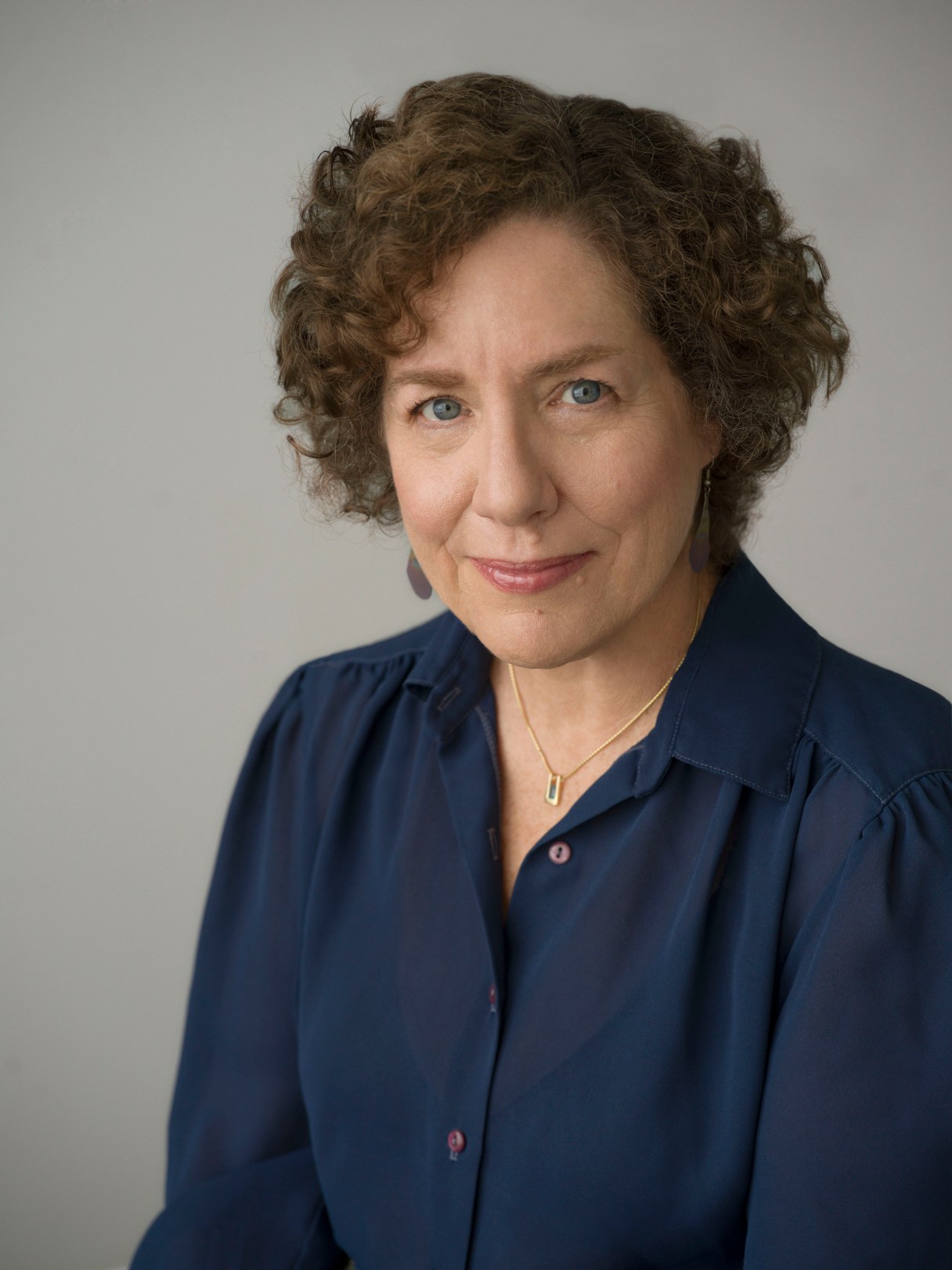
“SPELL FREEDOM: THE UNDERGROUND SCHOOLS THAT BUILT THE CIVIL RIGHTS MOVEMENT” by Elaine Weiss (Atria / One Signal Publishers, 384 pages, $30).
There are many tenacious individuals in Elaine Weiss’ “Spell Freedom: The Underground Schools That Built the Civil Rights Movement,” but Esau Jenkins is among the most creative.
A father and businessman who wanted a better life for himself, his children and other Black people, Jenkins drove a refurbished school bus carrying neighbors from their homes on Johns Island, off the South Carolina coast, to jobs in Charleston in the 1950s.
The bus wasn’t just a ride to work. It was a school. As he saw it, the way to a better life for Black people was to vote, and the only way to get more to vote was to help them pass the literacy tests aimed at disenfranchising them. So as Jenkins drove, he also lectured his passengers in their native Gullah about democracy, politics and laws that would be on the test. Because it was an innocuous commuter bus, his mobile school went undetected by racist whites.
“Spell Freedom” is full of such courageous stories. This latest book by Weiss, whose earlier work includes “The Woman’s Hour: The Great Fight To Win the Vote,” illuminates the network of citizenship schools that eventually operated behind small groceries, in hair salons and in other unlikely places throughout the South in the 1950s and early 1960s. Set between two landmark events — the U.S. Supreme Court’s 1954 Brown v. Board of Education ruling and the 1965 Voting Rights Act — it shows the grassroots part of the civil-rights movement that rarely made headlines.