
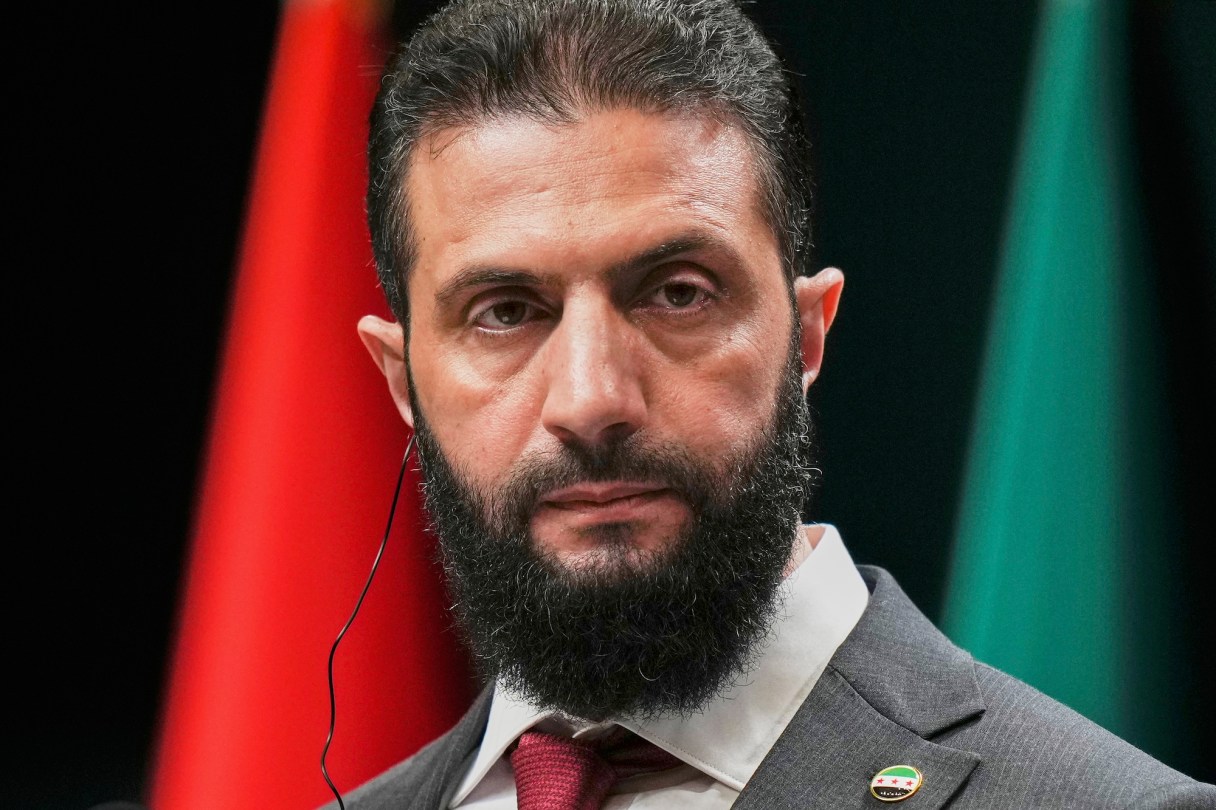
BEIRUT (AP) — After Syria’s longtime autocratic ruler was toppled late last year, the man who led rebel groups to victory immediately faced a new challenge: unifying the country after more than a decade of civil war.
The peril and promise of Syria under interim President Ahmad al-Sharaa — the former leader of an Islamist insurgent group — were on dramatic display over the past week. After days of deadly sectarian violence, a diplomatic triumph united a powerful force in the country’s northeast with the new national army.
By Tuesday, it seemed as if Syria had made major steps toward quelling the tensions that erupted over the weekend. But analysts say the country still has a long way to go, and that the risks of sliding back into civil war, or partitioning the country along ethnic and sectarian lines, remain.
The “path to rebuilding trust” will require Syria’s new leaders to do more to “protect lives and foster a sense of unity among all communities,” said Ammar Kahf, executive director of Omran Center for Strategic Studies in Istanbul.
Building a stable, pluralistic society is also key to convincing Western countries to lift crushing economic sanctions that were placed on Syria during the brutal rule of former President Bashar Assad.