
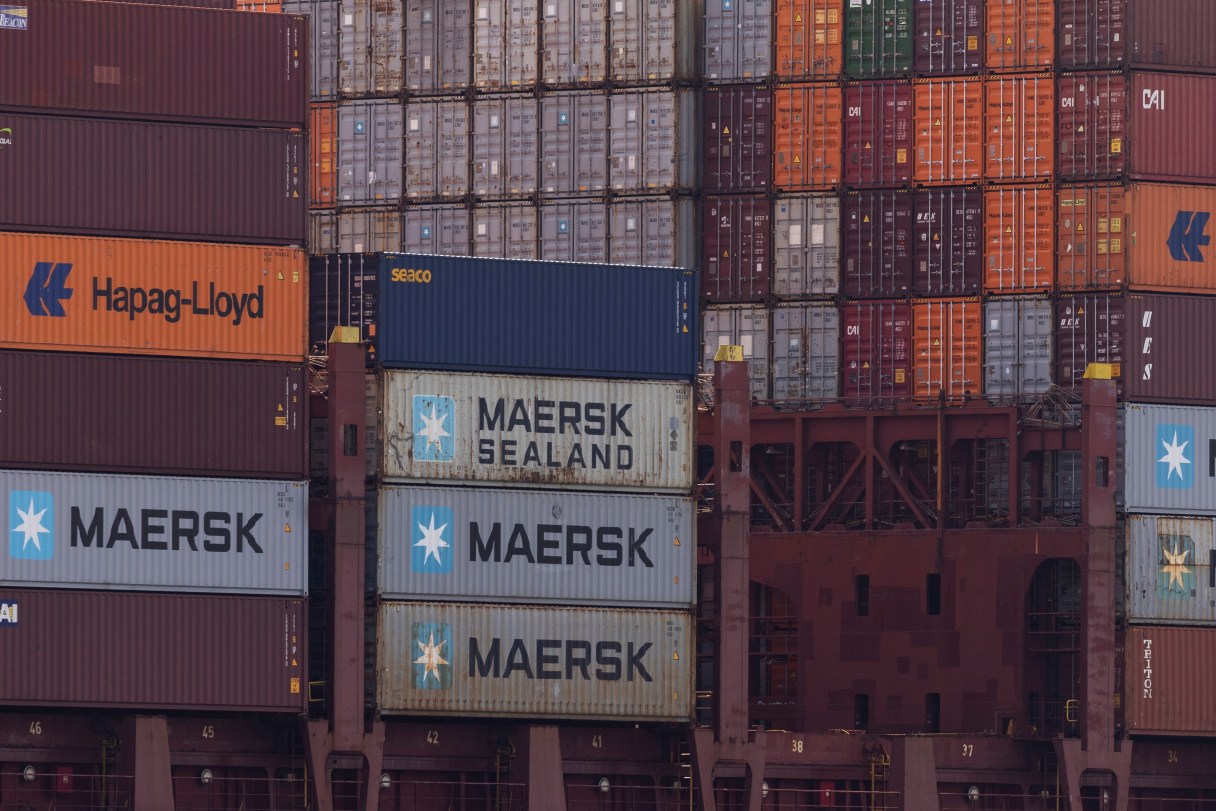
LOS ANGELES (AP) — On a gray March afternoon at the Port of Los Angeles, the largest in the U.S., powerful electric top-handlers whir, beep and grind as they motor back and forth, grabbing trailers from truck beds and stacking them as they move on or off the mighty container ships that ferry goods across the Pacific. Some of the ships, rather than burning diesel to sustain operations as they sit in harbor, plug into electricity instead.
The shift to electricity is part of efforts to clean up the air around America’s ports, which have long struggled with pollution that chokes nearby neighborhoods and jeopardizes the health of people living there. The landmark climate law championed by former President Joe Biden earmarked $3 billion to boost those efforts.
Some of the people who live near U.S. hubs now worry that President Donald Trump’s administration could seek to cancel or claw back some of that money.
“Our area is disproportionately affected by pollution directly related to the ports activity,” said Theral Golden, who’s lived in the West Long Beach area for more than 50 years. He pointed to the rivers of trucks moving back and forth on nearby highways and overpasses. “It’s all part of the same goods movement effort, and it has to be cleaned up.”
The Biden money aims to slash 3 million metric tons of carbon pollution across 55 ports in more than two dozen states, through cleaner equipment and vehicles, plus infrastructure and community engagement resources.