
Scientists have developed a device that can translate thoughts about speech into spoken words in real time.
Although it’s still experimental, they hope the brain-computer interface could someday help give voice to those unable to speak.
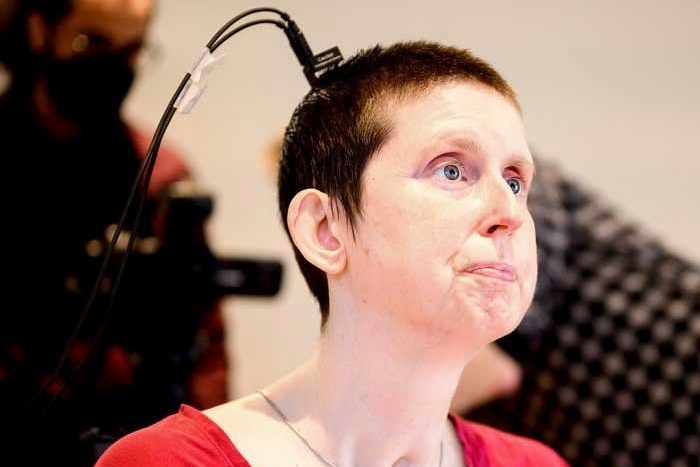
A new study described testing the device on a 47-year-old woman with quadriplegia who couldn’t speak for 18 years after a stroke. Doctors implanted it in her brain during surgery as part of a clinical trial.
It “converts her intent to speak into fluent sentences,” said Gopala Anumanchipalli, a co-author of the study published Monday in the journal Nature Neuroscience.