
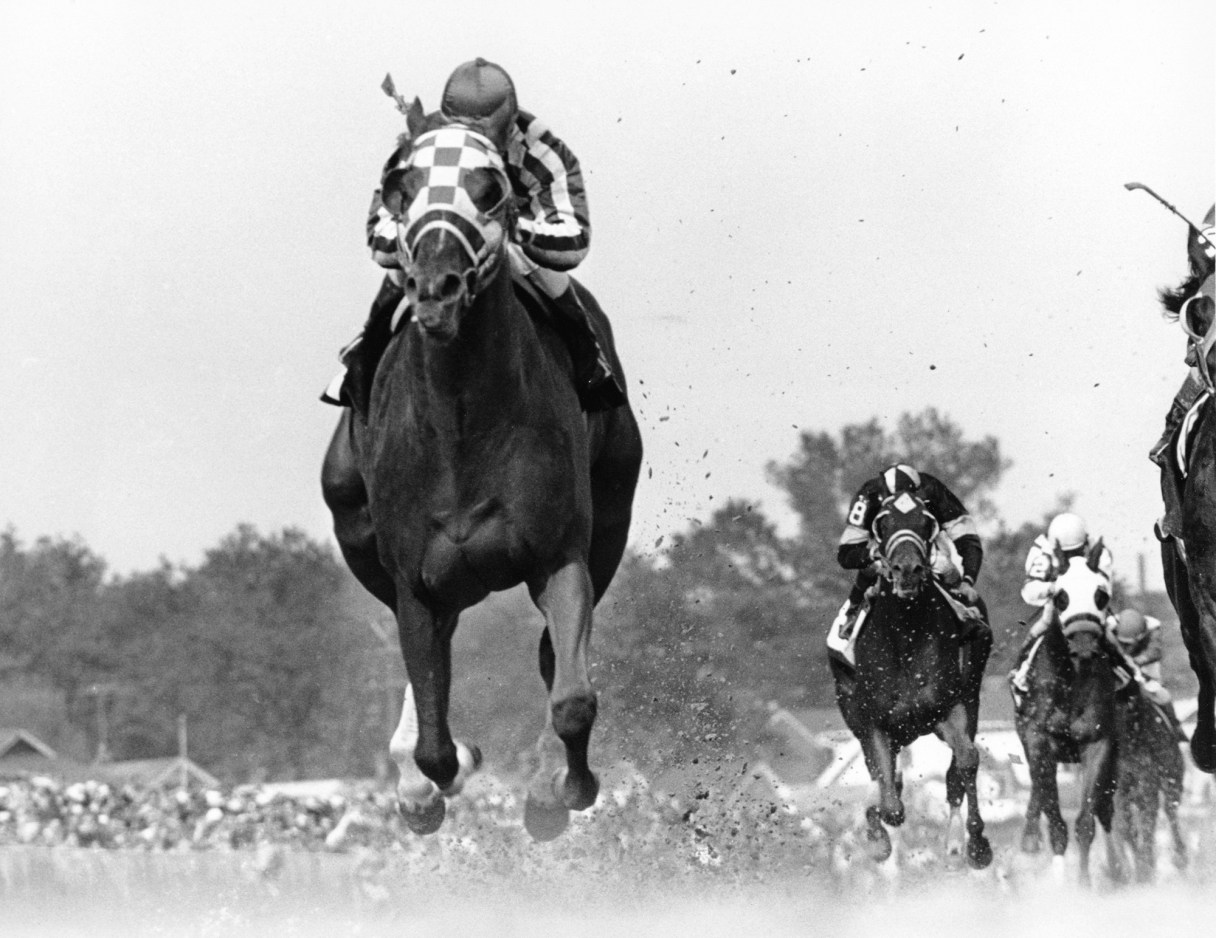
LOUISVILLE, Ky. — On a crisp, clear morning, a chestnut thoroughbred thundered down the dirt strip at Churchill Downs, his exercise rider leaning forward above the saddle. Other horse-and-rider pairs followed.
Dr. Will Farmer looked down from a viewing point, admiring the speed and agility of the 1,000-pound animals.
The whole world will have the chance to see horses in action on the same track Saturday, when the Kentucky Derby shines a global spotlight on equine athleticism. It’s the subject of a growing body of research that cites a constellation of characteristics: big hearts, immense lung capacity, robust musculoskeletal systems and long, thin legs — all of which helped horses survive in the wild.
“It goes back to the roots: They are an animal of prey,” said Farmer, a veterinarian and equine medical director at Churchill Downs Inc. “That’s how they got away from being eaten.”
Horses honed skills such as running, jumping and pulling as humans bred and trained them for various purposes over millennia. And the 151st edition of the prestigious Kentucky Derby — horse racing’s most-watched event — will draw attention not only to the animals’ skills, but also to concerns about their treatment and health. Advocates have long raised concerns about deaths and injuries — calls that were amplified two years ago, when 12 horses died at Churchill Downs.