
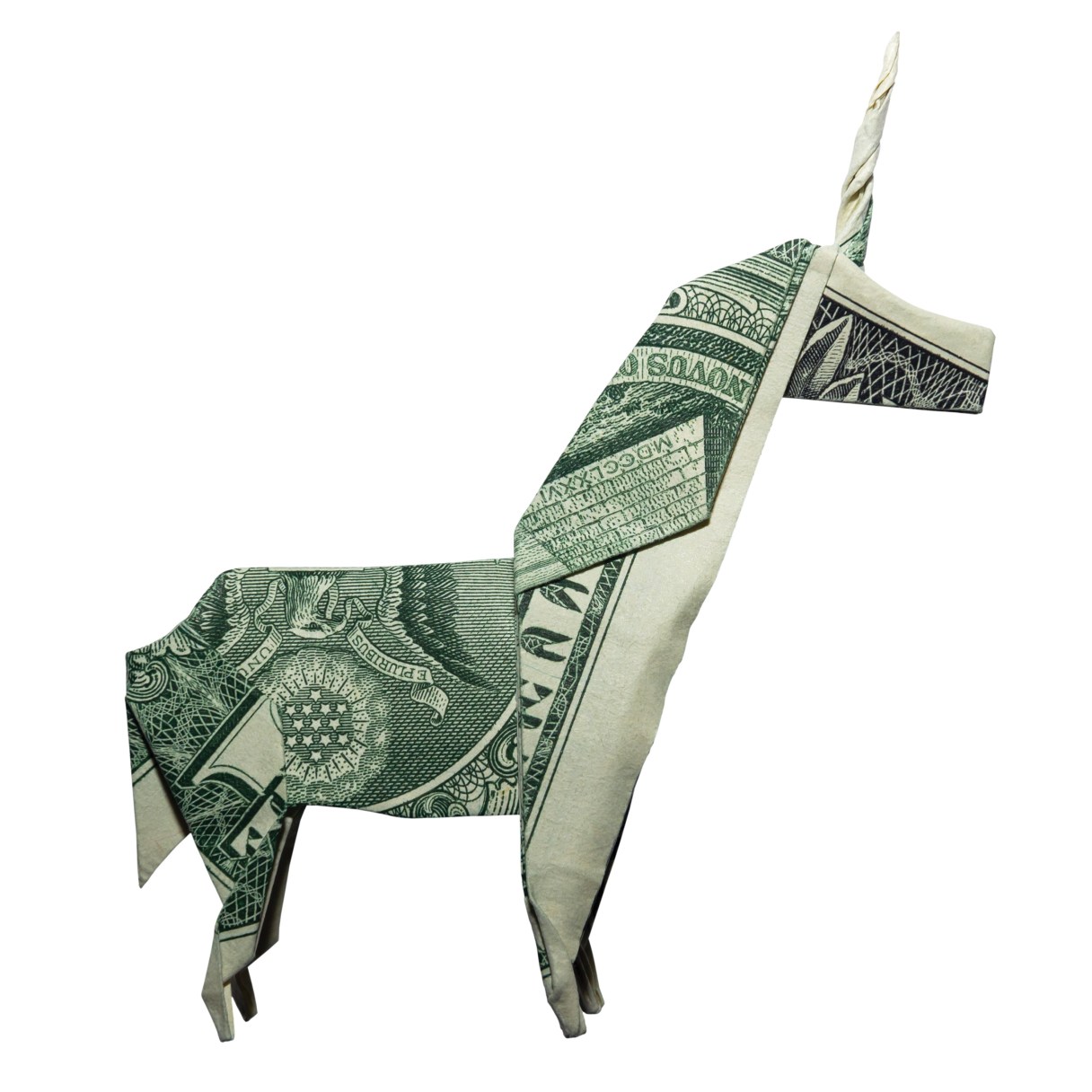
As a rule, I try to avoid tour guides and conversations about unicorns, but during a recent trip to Scotland, I had to make an exception. There was really no choice. Statues and paintings of unicorns, the national animal, are everywhere in Edinburgh. And the tour guide, a woman named Keri, turned out to be someone I’d follow anywhere.
Keri, a young grandmother with a neck tattoo, had no patience for BS and yet didn’t seem to believe concrete facts told the whole story, either. It quickly became clear she maintained a complicated relationship with her homeland, and made no effort to conceal how Scottish history is a tangled web of wars, plagues, unions, and disunions — all clouded by myth and opinion. The main lesson I learned was that in a country 4.5 times older than America, there will never be a clear narrative or consensus about what has truly gone down.
This complexity applied to the unicorns as well. A more family-friendly guide might’ve offered a glossy overview of how they serve as a symbol of power and independence — essential traits for a land that’s faced so many invaders. Not Keri. She pointed to the golden chains that embellish many of the statues and explained how they represent the legend that only Scottish kings were capable of possessing such a powerful beast. To reinforce this belief, she continued, kings would often commission soldiers to go on long “unicorn hunts.”
Keri, being Keri, then said she did not think anyone involved in these government-sponsored unicorn expeditions actually believed unicorns existed. They were just a pragmatic reinforcement of the era’s power structures.