
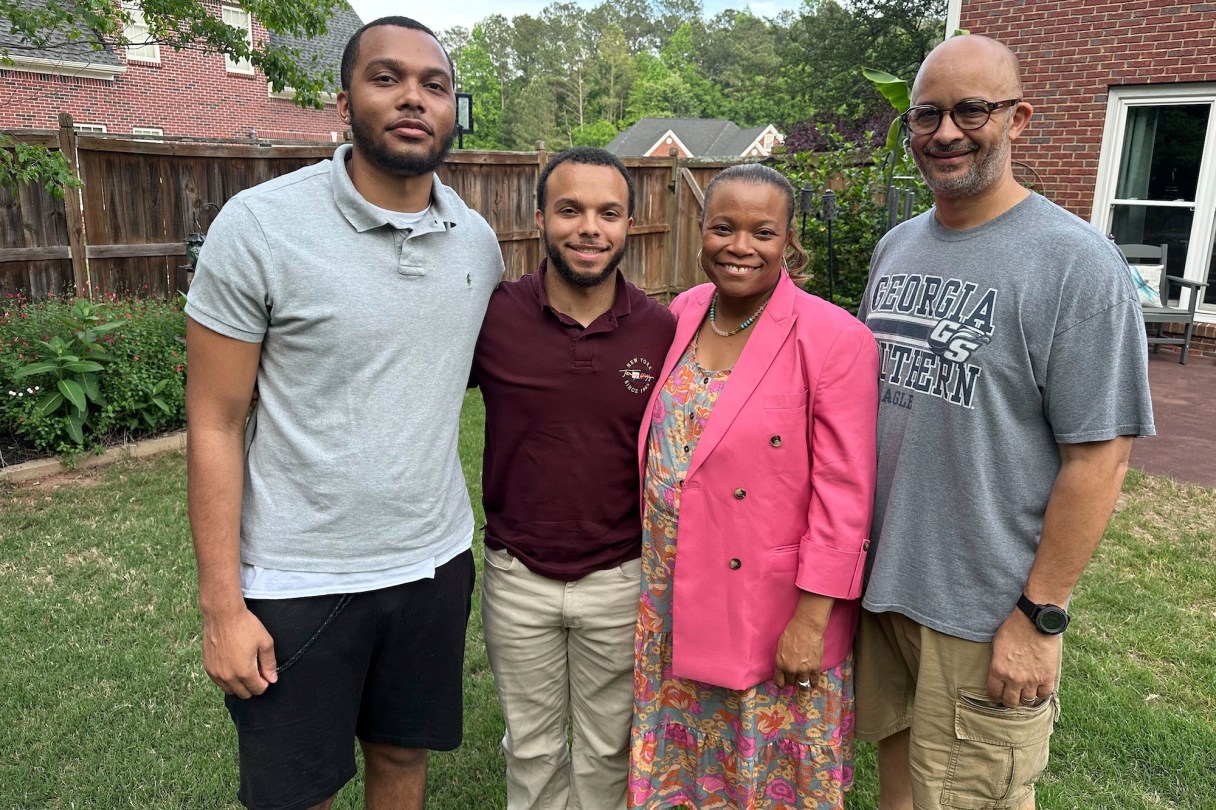
Growing up in Atlanta in the 1940s and 1950s, Susan Levine’s visits to New York City relatives included being the star of an impromptu novelty show: Her cousin invited over friends and charged 25 cents a pop for them to listen to Levine’s Southern accent.
Even though they too grew up in Atlanta, Levine’s two sons, born more than a quarter century after her, never spoke with the accent that is perhaps the most famous regional dialect in the United States, with its elongated vowels and soft “r” sounds.
“My accent is nonexistent,” said Ira Levine, her oldest son. “People I work with, and even in school, people didn’t believe I was from Atlanta.”
The Southern accent, which has many variations, is fading in some areas of the South as people migrate to the region from other parts of the U.S. and around the world. A series of research papers published in December documented the diminishment of the regional accent among Black residents of the Atlanta area, white working-class people in the New Orleans area and people who grew up in Raleigh, North Carolina.
More than 5.8 million people have moved into the U.S. South so far in the 2020s, more than four times the combined total of the nation’s three other regions. Linguists don’t believe mass media has played a significant role in the language change, which tends to start in urban areas and radiate out to more rural places.