
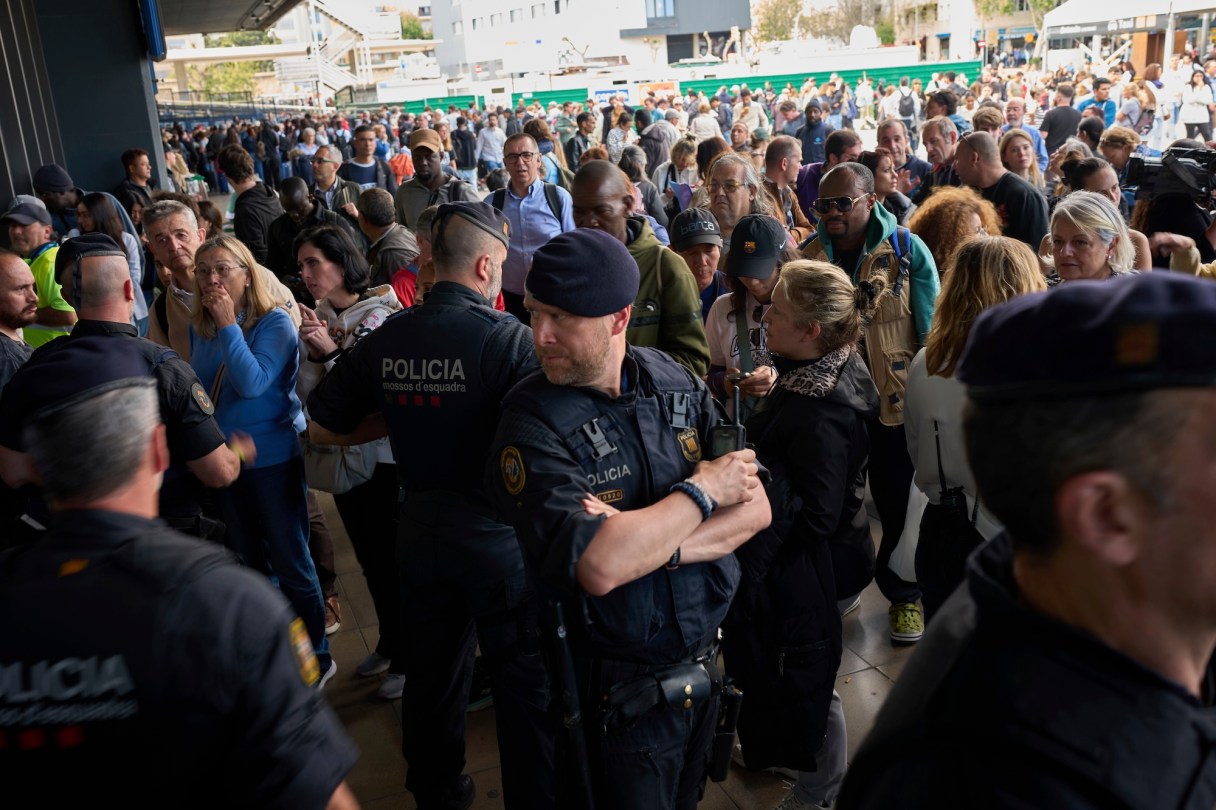
At 12:33 p.m. local time on a crystal blue Monday, the system that provides the power essential to the daily lives of 50 million-plus people collapsed. The lights went out from Lisbon to Barcelona; trains stopped, air traffic controllers went offline and hospital workers scrambled to keep patients alive. Two highly modern, eminently civilized nations were plunged into chaos.
While understandable, the obsessive search for the cause — whether cyberattack, software error or rare atmospheric phenomenon — missed the point. In tightly coupled, highly complex systems like the European energy grid, the next catastrophe is not caused. It is triggered.
Over the past 2½ decades in the disaster business in New York City, I’ve come to understand what physicists and systems theorists have known for years: In complex systems, disaster is not the exception; it’s the destination.
Back in the 1990s, Danish physicist Per Bak proposed a theory he called self-organized criticality. His insight was that complex systems — whether electrical power systems, cities, economies or even ecosystems — inevitably organize themselves into fragile states. As connections grow and efficiency increases, the margin for error disappears. One small, almost trivial fault can suddenly cascade into a continent-wide collapse.
This is what happened in Spain and Portugal. And it will happen again.