Georgia study leaves more questions than answers for participants
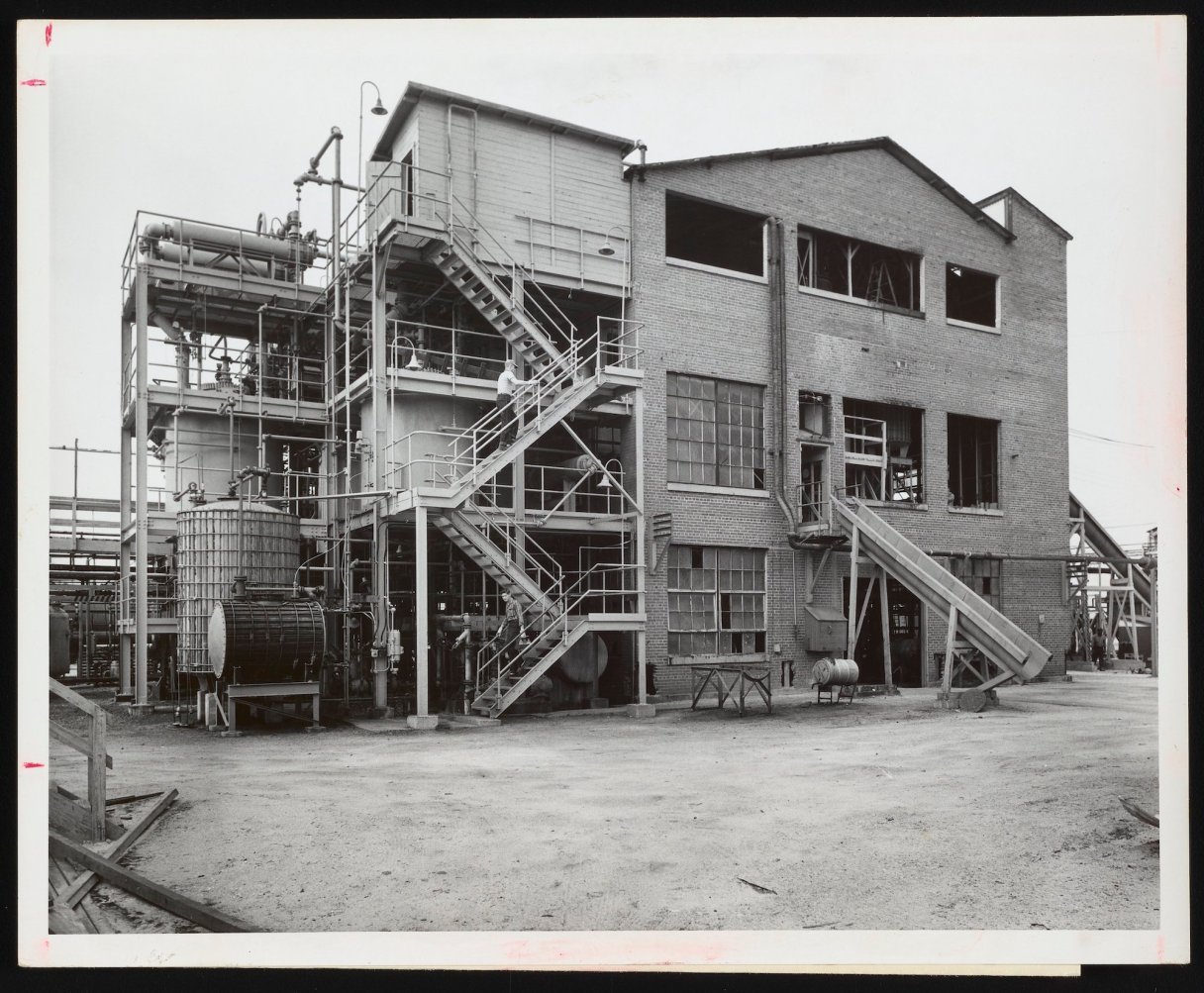
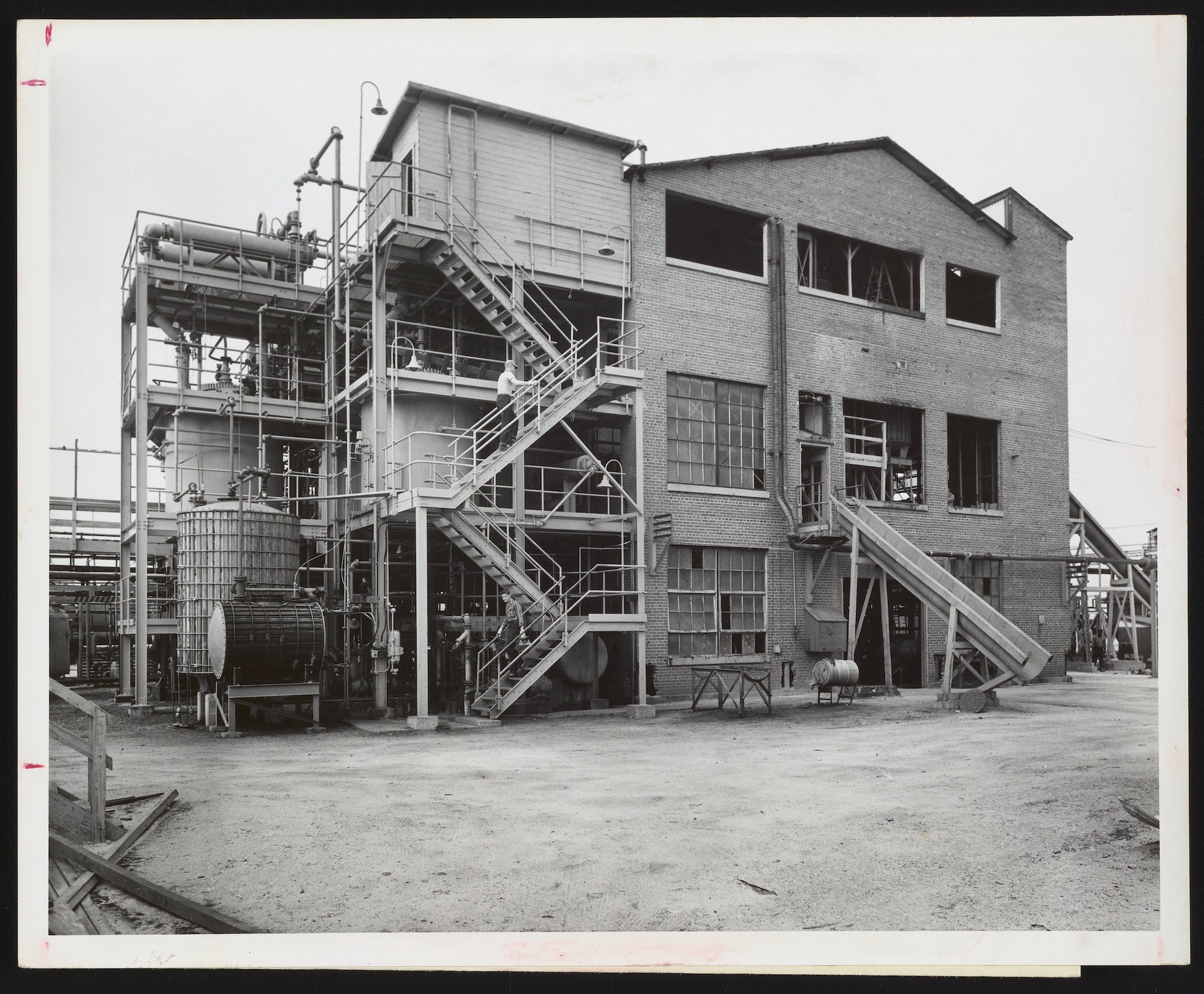
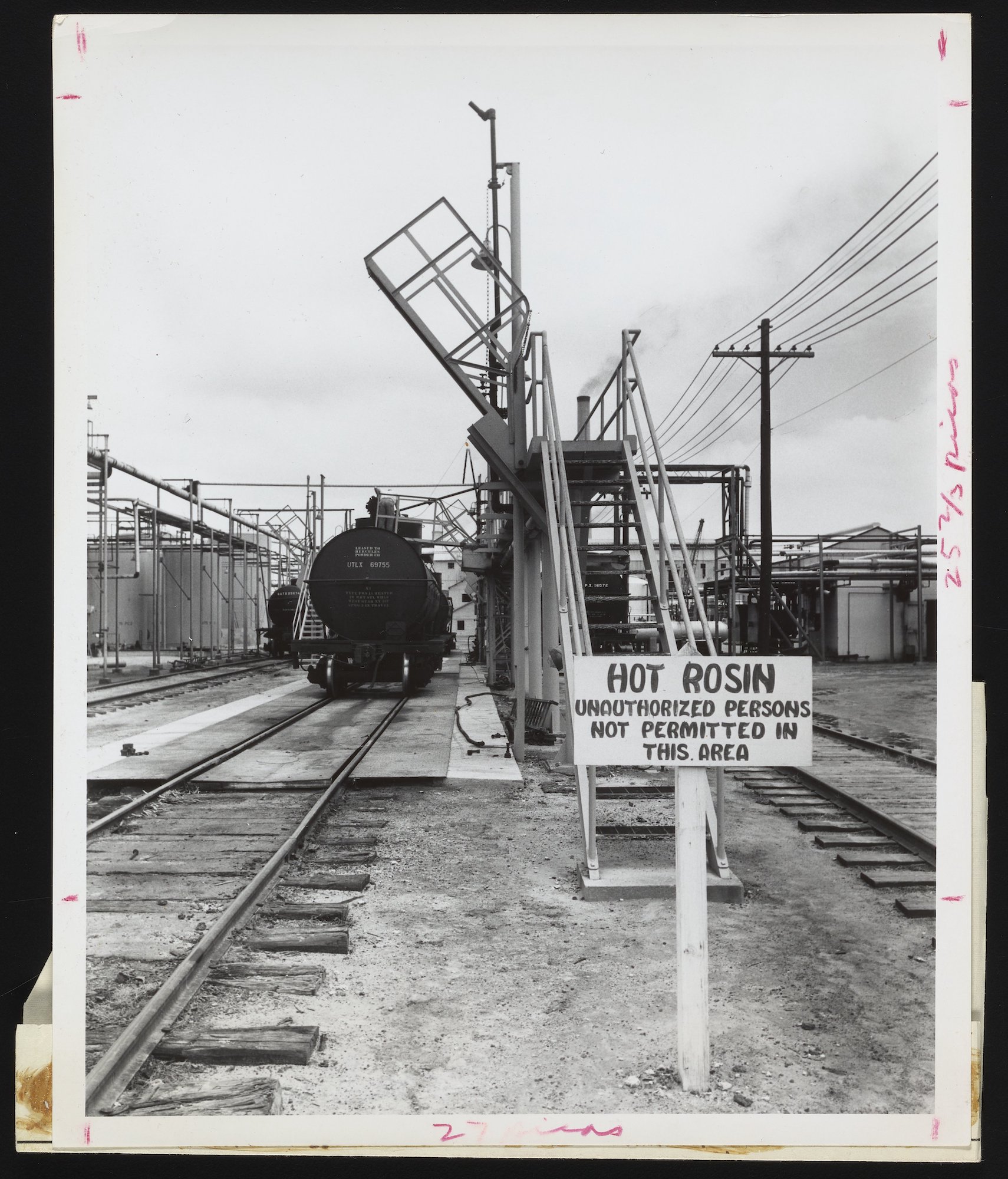
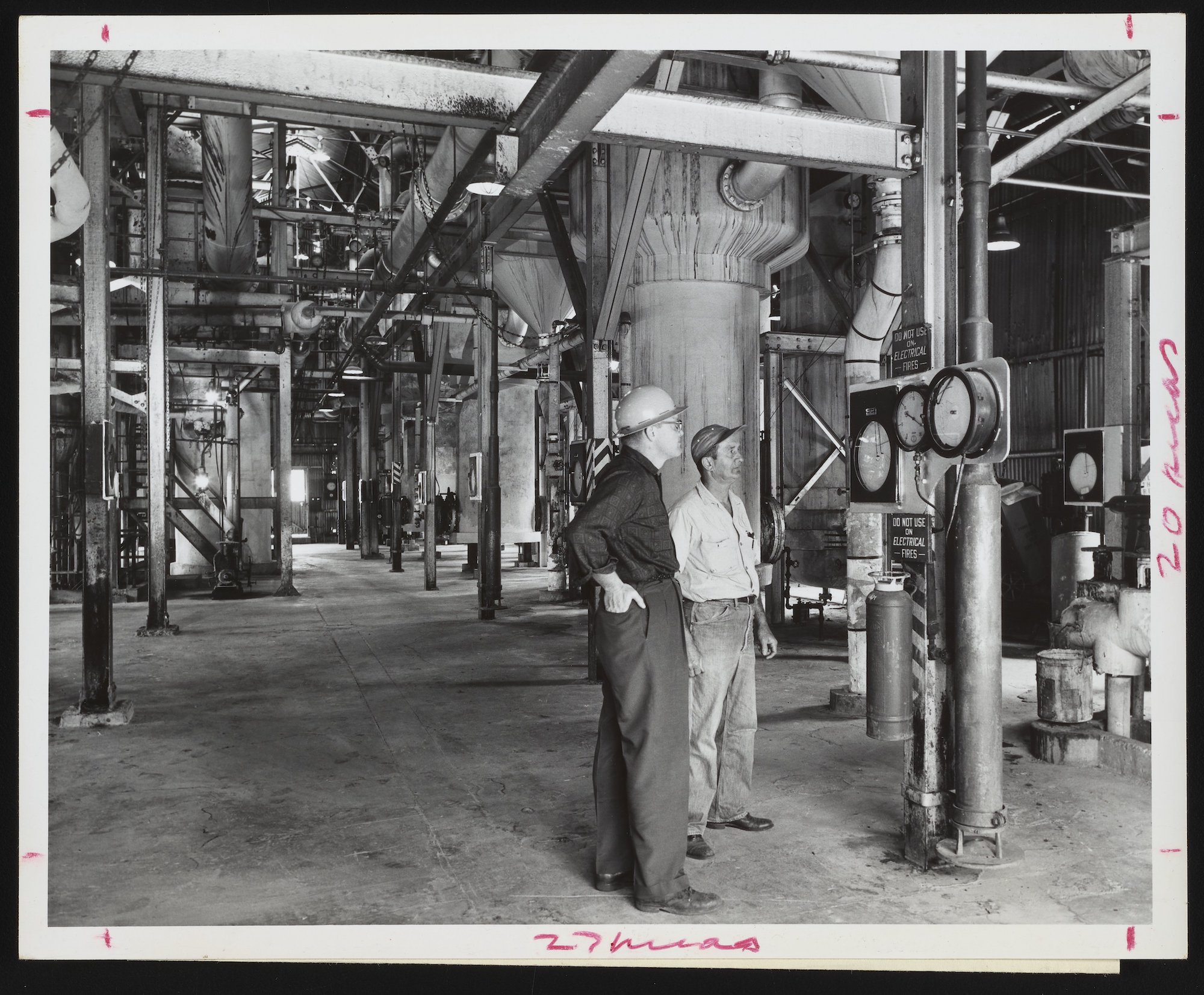
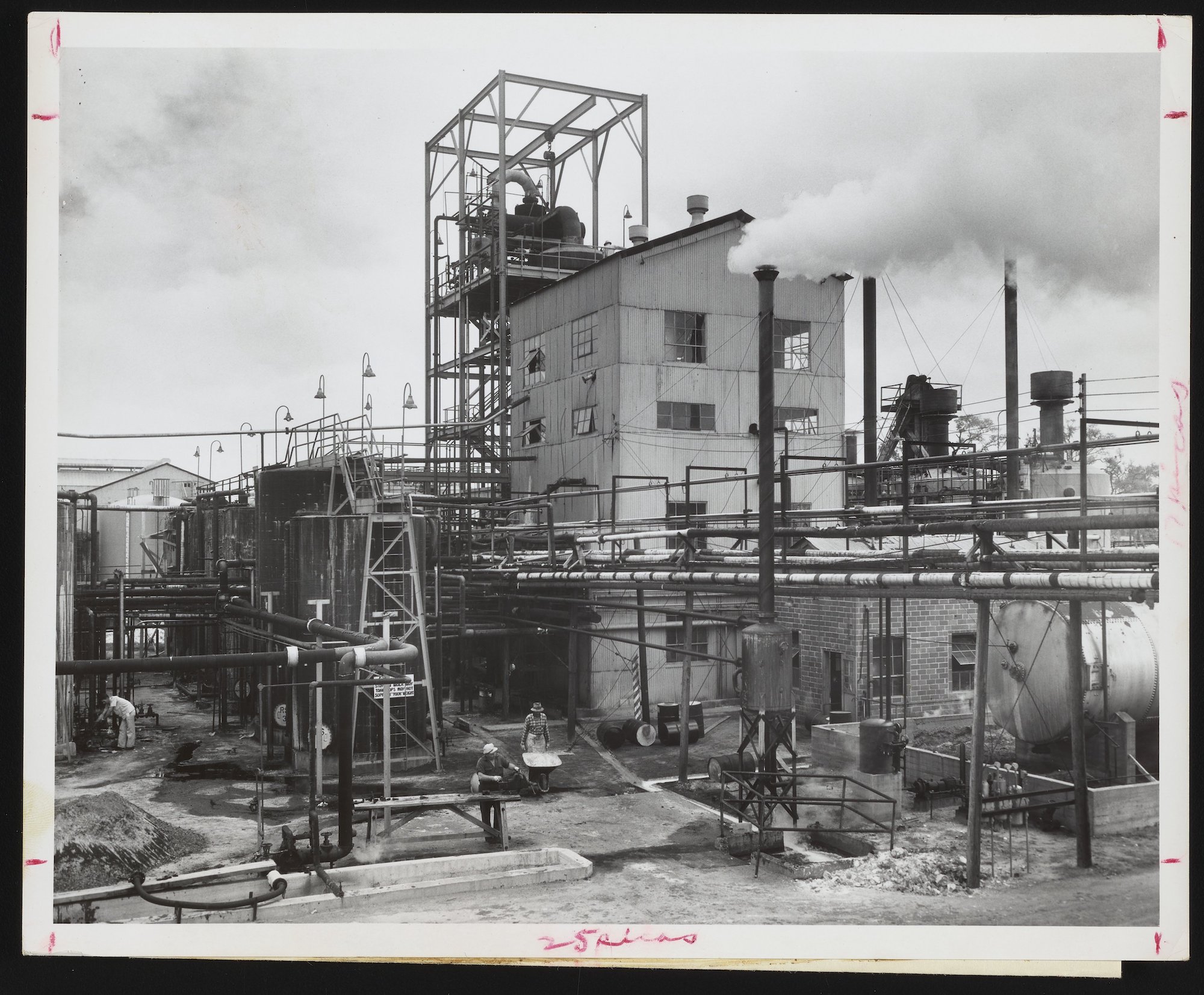
The Hercules Brunswick facility, circa 1960. The plant extracted rosin, turpentine and pine oil from pine tree stumps to produce a range of chemicals used in the manufacture of varnishes, paints, adhesives, insecticides, textiles and other industrial products. (Science History Institute / Gil Tharp) The Hercules Brunswick facility, circa 1960. The plant extracted rosin, turpentine and pine oil from pine tree stumps to produce a range of chemicals used in the manufacture of varnishes, paints, adhesives, insecticides, textiles and other industrial products. (Science History Institute / Gil Tharp)
By Jabari Gibbs / The Current 9 min read
Hal Hart and Anita Collins grew up in the mid-1960s near the briny tidal rivers of South Brunswick, Georgia, eating shrimp, flounder, whiting and pretty much any local catch on their plates. After high school, Collins moved away — and she soon stopped eating seafood.
That decision is likely the reason that her body is less contaminated with toxins than Hart’s and those of dozens of other Brunswick natives who participated in a peer-reviewed study that examined how residents have been affected by two of Glynn County’s Superfund sites.
The groundbreaking study shows that 40% of the 97 study participants have higher concentrations of a toxicant associated with the defunct LCP Chemicals plant than the national average. Twenty percent of participants had higher concentrations of a second chemical used at the Hercules Brunswick Facility than the national average.
“These chemicals have been in the environment in this area for a long time, but to our knowledge this is the first study to show that they have entered peoples’ bodies, and persist at levels substantially higher than what we would expect in the general population,” says Noah Scovronick, the study’s co-lead author and associate professor of environmental health at Rollins School of Public Health at Emory.
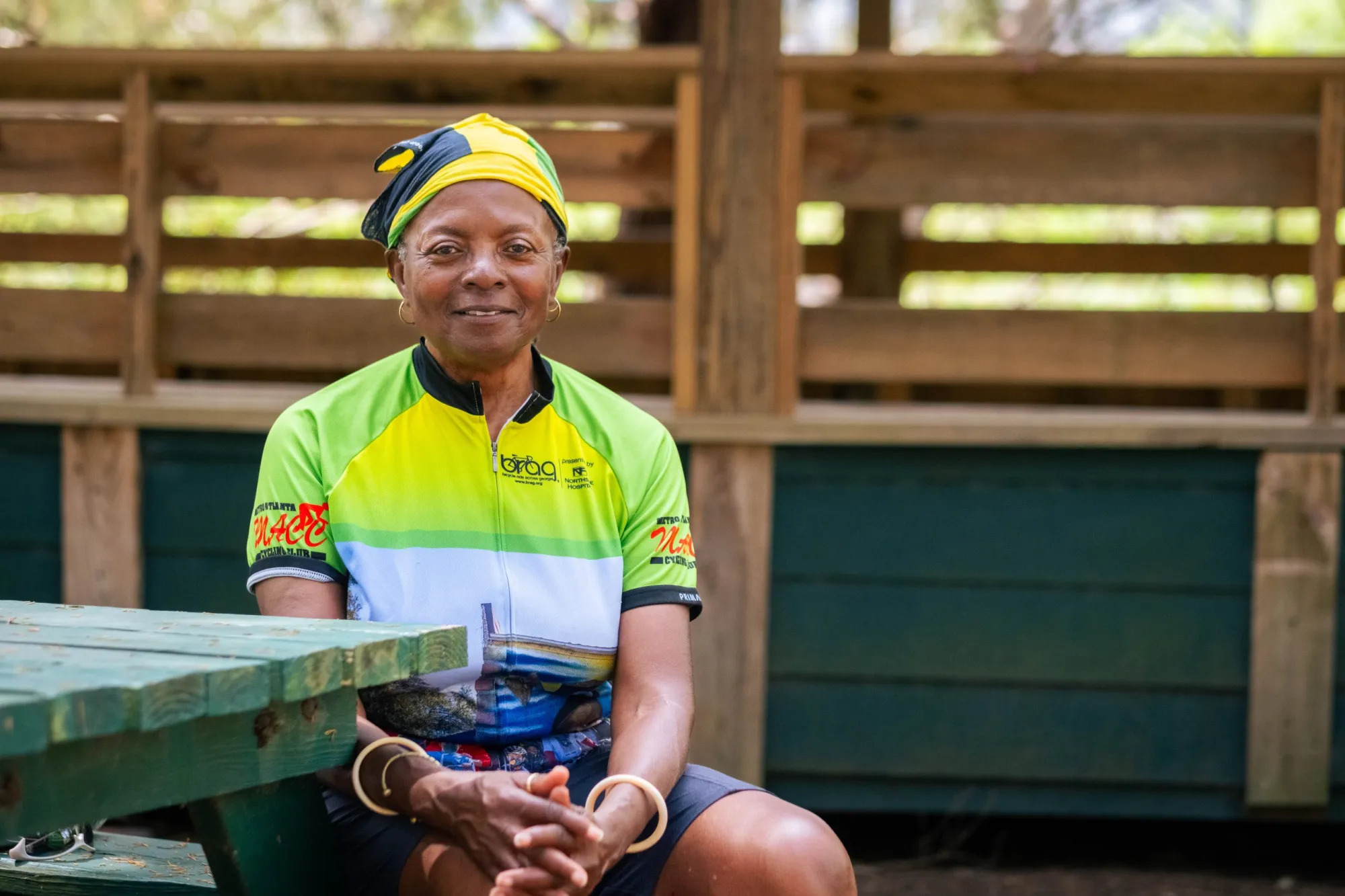
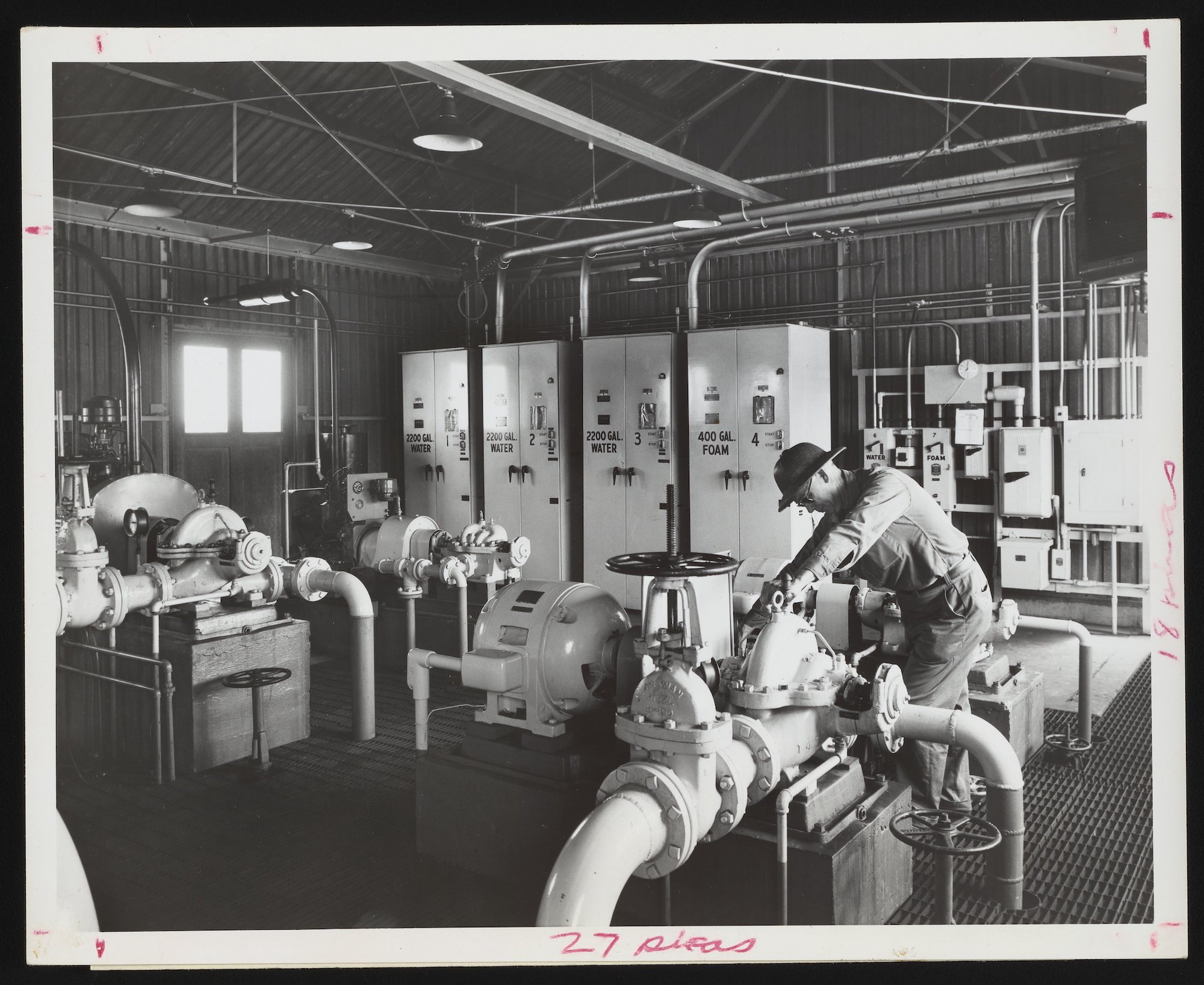
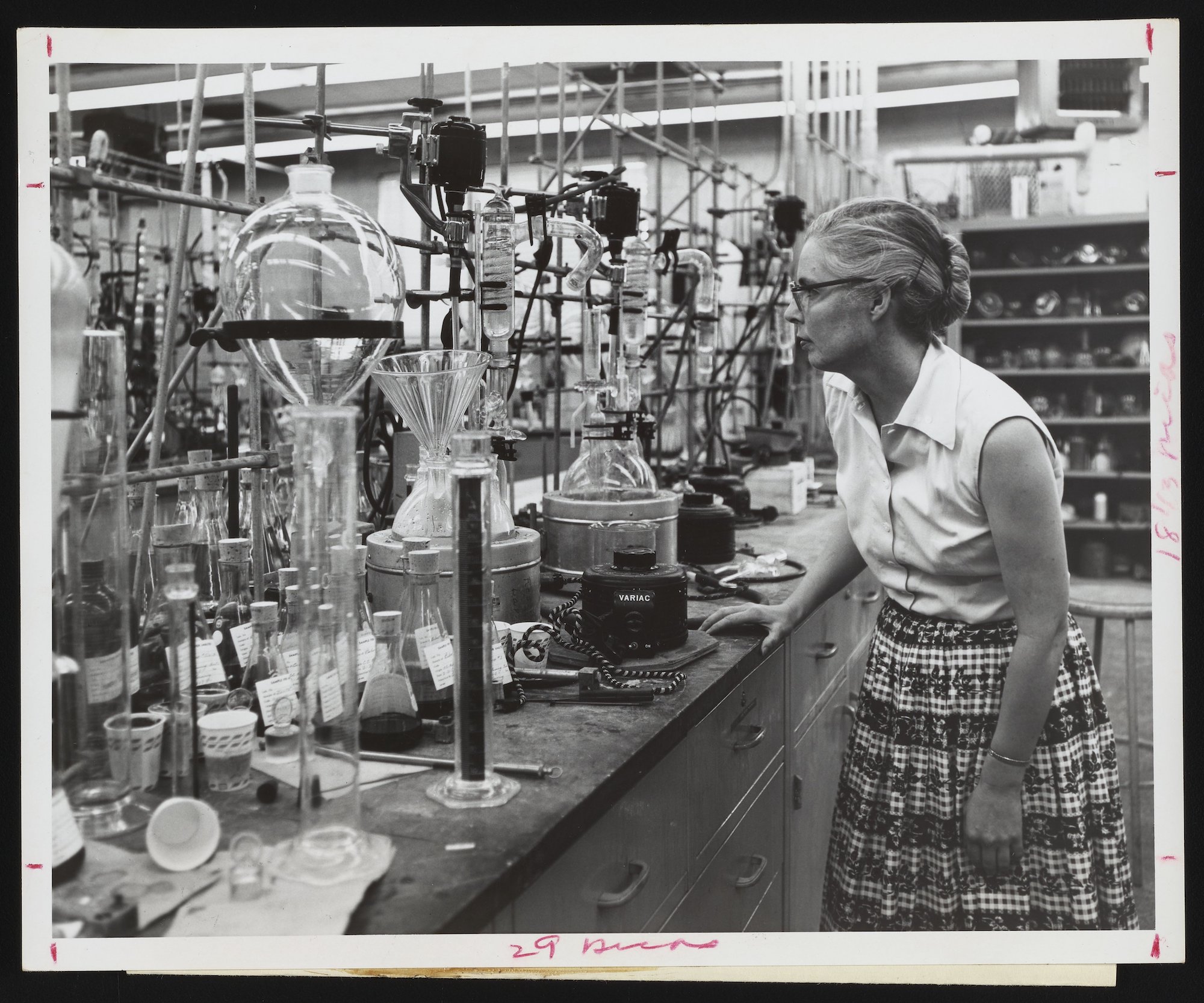
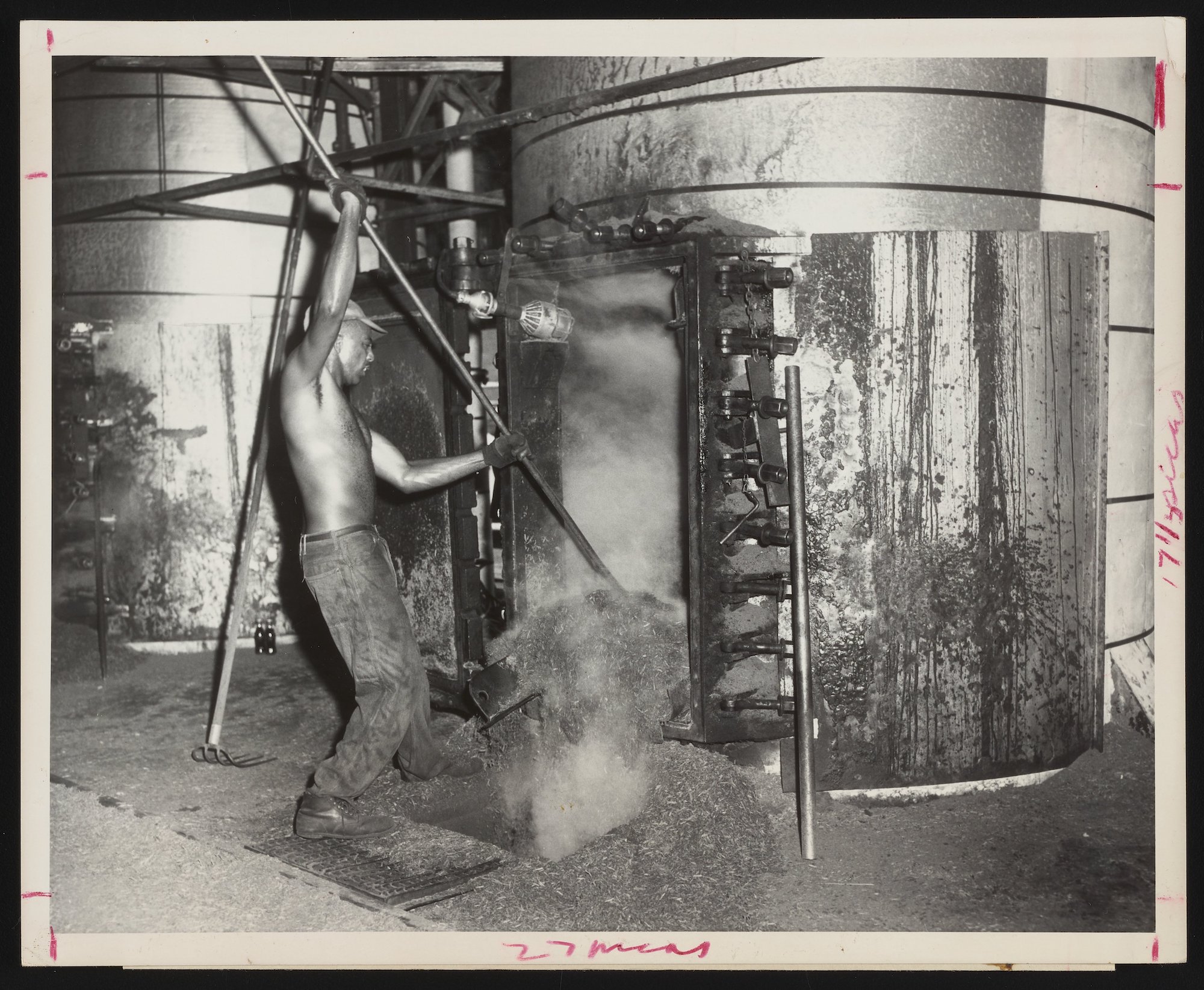
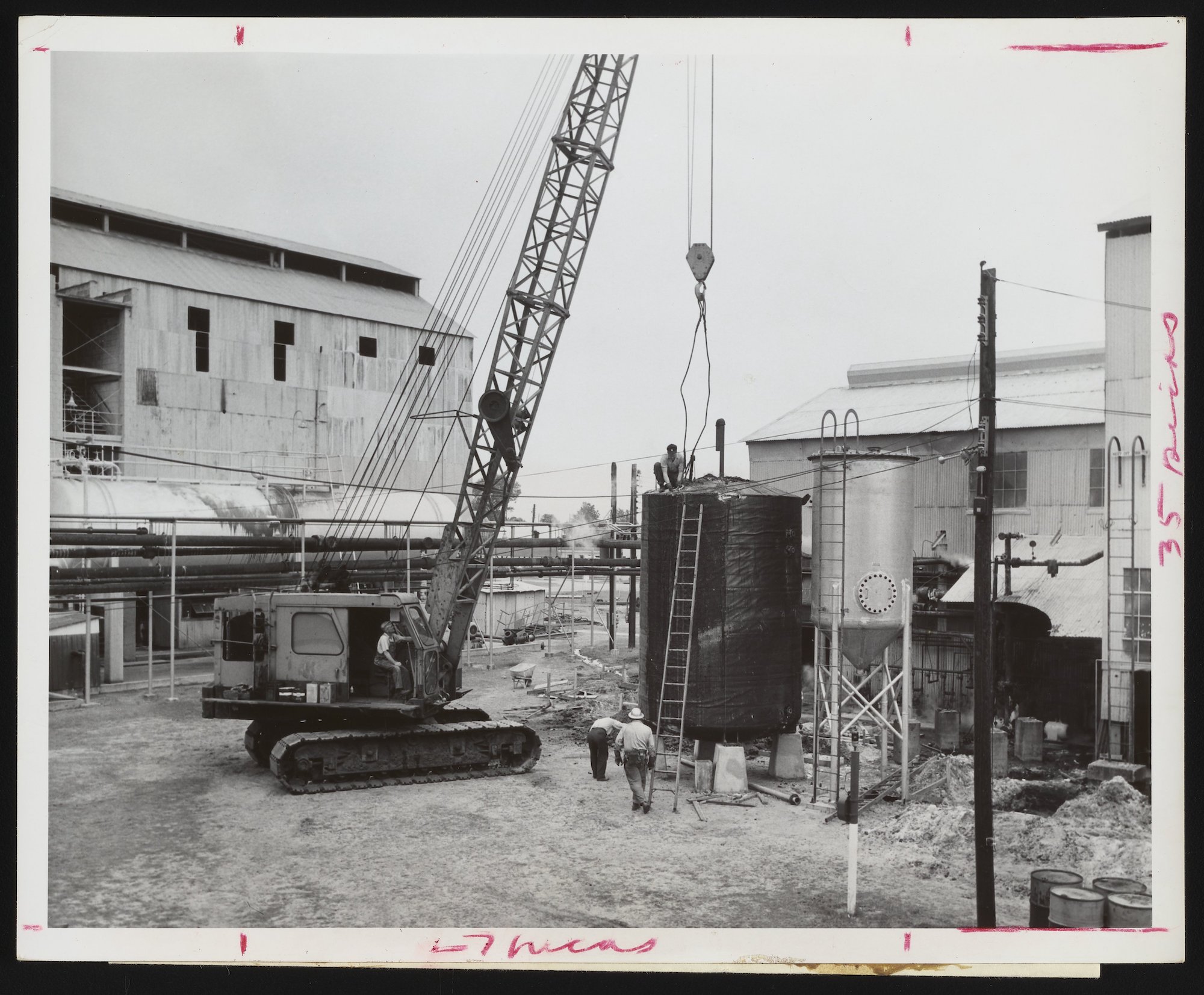
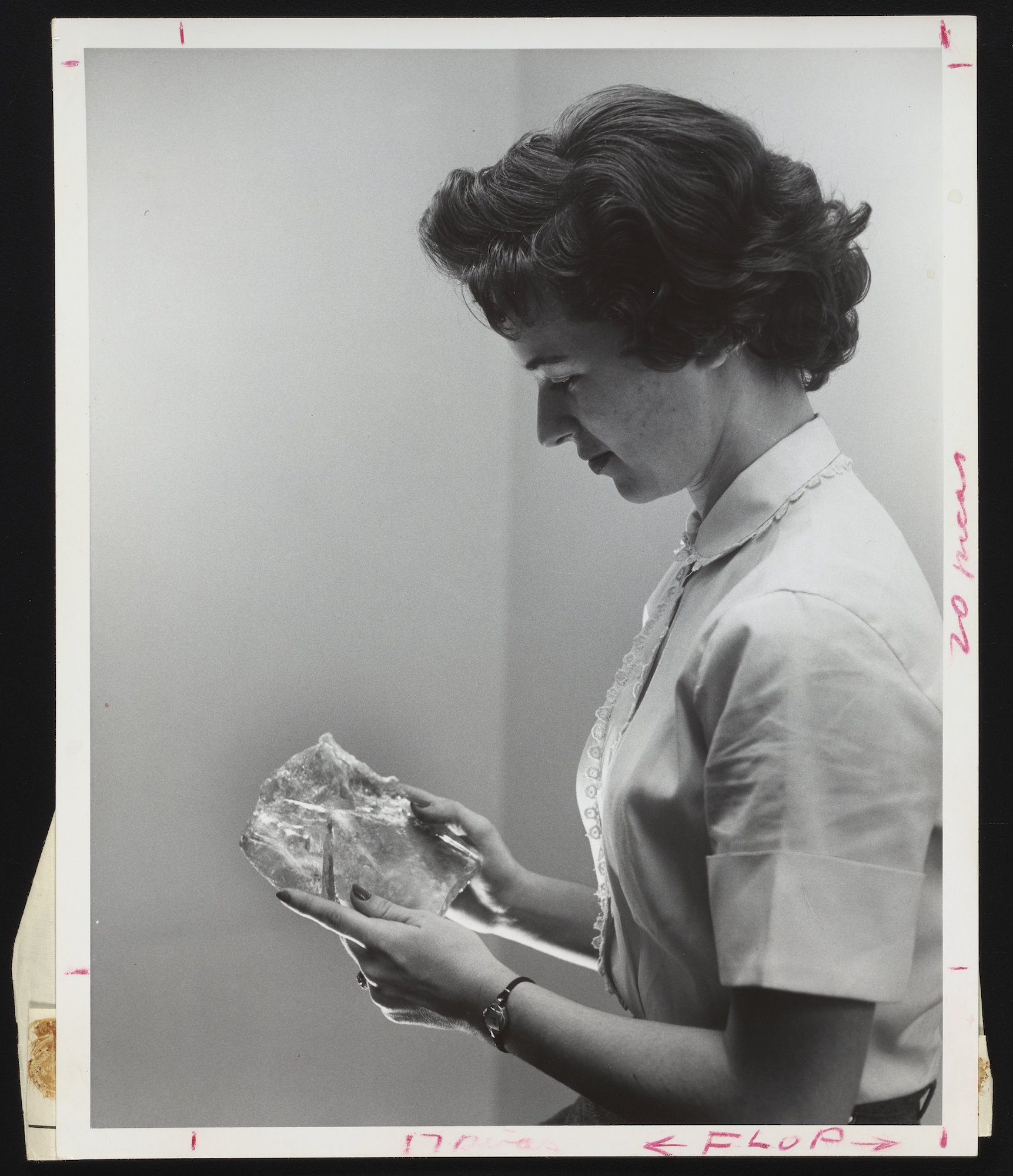
Henry “Hal” Hart, seen April 23, 2025, in Brunswick, Ga., was a participant in the Emory University exposure study. (Justin Taylor/The Current GA)Anita Collins, seen April 23, 2025, in Brunswick, Ga., was a participant in the Emory University exposure study. (Justin Taylor/The Current GA)The Hercules Brunswick facility, circa 1960. The plant extracted rosin, turpentine and pine oil from pine tree stumps to produce a range of chemicals used in the manufacture of varnishes, paints, adhesives, insecticides, textiles and other industrial products. (Science History Institute / Gil Tharp)John Cloer at work in the foam house facility, with a view of assorted fire-fighting and fire-suppression apparatuses. (Science History Institute / Gil Tharp)The tank car loading station. The employee adjusting the loading pipe is identified as Clifford Martin. (Science History Institute / Gil Tharp)Evelyn Kieffer uses a reactor flask to analyze an unidentified substance in a laboratory. (Science History Institute / Gil Tharp)Edward Newmans clears spent wood chips from an extractor tank. (Science History Institute / Gil Tharp)Employees use a crane to move a heat treatment tank in preparation for the expansion of rosin-making facilities. Pictured are rigger Sidney Dent, beside tank; rigger Robert Ernest Wilchor, bottom of ladder; rigger Edward Gale, on top of tank,; and crane operator Houston Hall. (Science History Institute / Gil Tharp)Stan Fenelon and Clarence Darley examine the rosin solution evaporator. (Science History Institute / Gil Tharp)Pat Bodie examines a rosin sample. (Science History Institute / Gil Tharp)The manufacturing facilities for toxaphene, an insecticide concentrate. The employees visible on the stairs are identified as Homer Brogden, top, and Tommy Beasley. (Science History Institute / Gil Tharp)
The study has sparked community conversations among residents brought up eating the bounty of Coastal Georgia’s waterways — as well as sharpened fear and frustration among those who can’t remember being told of any threat caused by chemicals polluting the environment.