
Many Americans have already cast votes this month in races for statewide office, local positions and on ballot initiatives with major implications for democracy.
Congress is not on the ballot at the moment, but it will be in the 2026 midterms. A year from now, Americans in every state and district will get to vote for whom they want representing their interests in Washington.
But right now, Congress isn’t giving the American people much to go on.
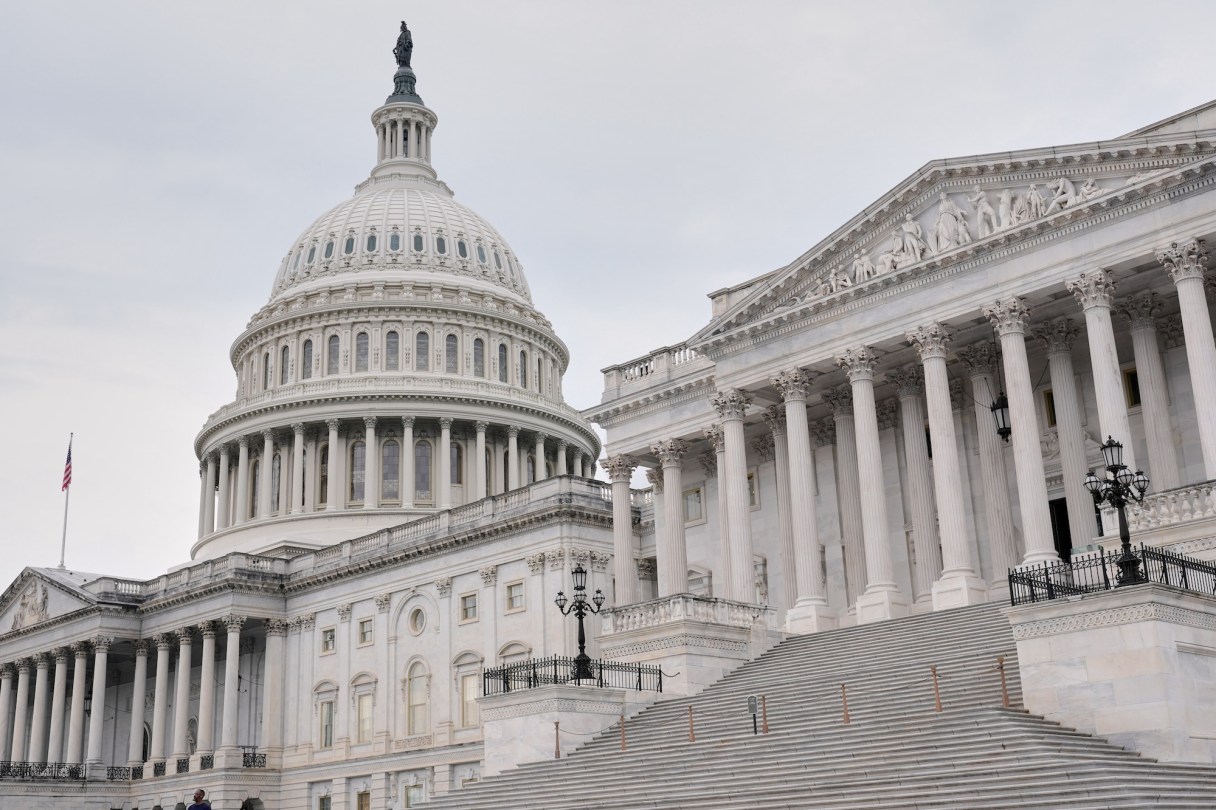
As the shutdown of the federal government passes the one-month mark, the U.S. House of Representatives has been in recess for more than 40 days. That’s the longest it’s ever stayed out of town outside its typical summer recesses or the weeks leading up to their own elections.
Notably, the shutdown does not mean that Congress can’t meet. In fact, it must meet to end the shutdown legislatively. The Senate, for example, has taken votes recently on judicial nominations, a major defense authorization bill and a resolution on tariff policy.