
After the Supreme Court ended the constitutional right to abortion, nearly 40% of U.S. women now live in a state with severe restrictions. But the number of women receiving abortions has increased nationwide, even in most states with bans.
Women who want or need to end their pregnancies are determined to find ways to do so — and abortion pills have transformed the practice of reproductive medicine.
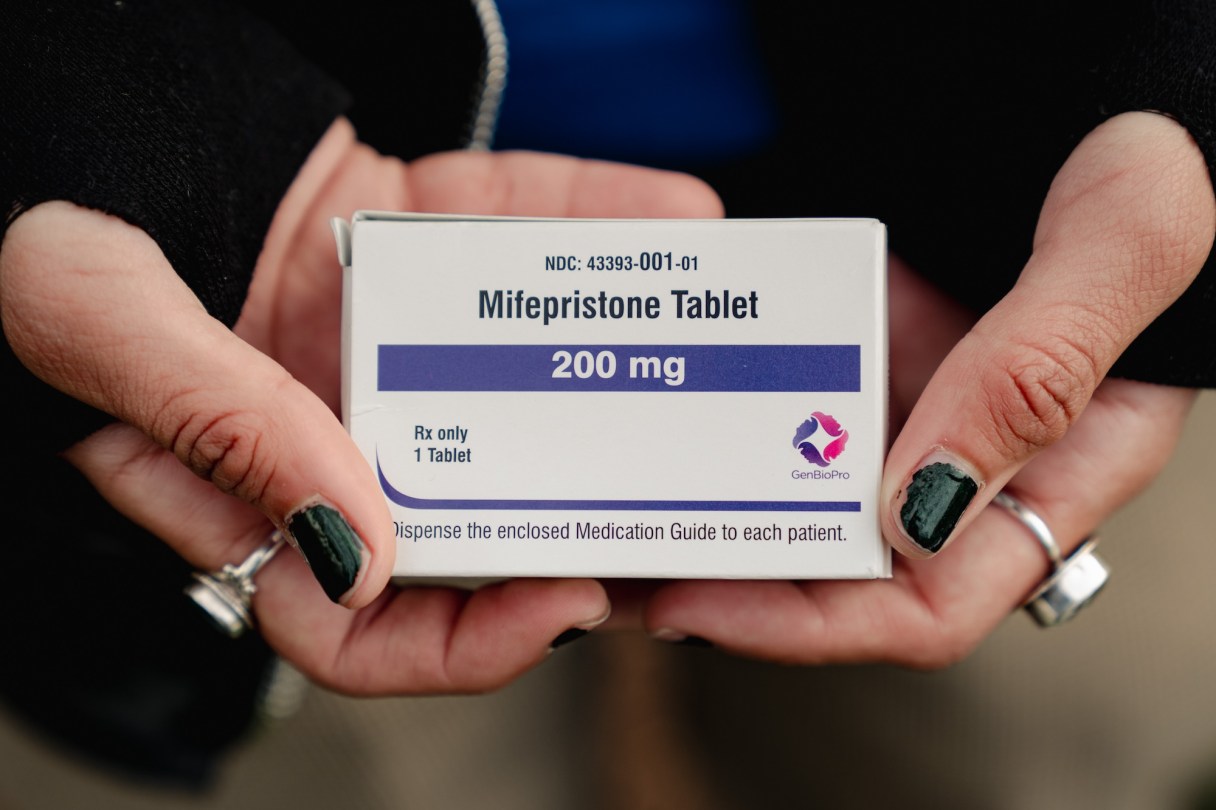
One in four abortions in the U.S. now takes place through telehealth. A doctor writes a prescription and a mail-order pharmacy fills it. When the pills arrive, women can take them at home to end a pregnancy in its first few months. The method has proved safe and effective, according to study after study.
Republicans are working hard to restrict telehealth abortion. Defenders of reproductive freedom will need to fight back, and public opinion is on their side. Americans think medication abortion should be legal by a margin of about two to one.
Abortion opponents are trying to block interstate mailing of abortion pills. In Louisiana, prosecutors have charged abortion providers for prescribing and sending pills from out of state. In Texas, the attorney general and a private lawyer have filed lawsuits against out-of-state providers and one of the largest telehealth services, and a new bill allows private citizens to sue people who make, distribute or prescribe abortion pills to anyone in the state, even if no abortion has taken place.
Robert F. Kennedy Jr. has directed the Food and Drug Administration to review mifepristone, an abortion pill, on what he called “new data” — apparently referring to an unpublished paper by a conservative think tank, debunked by other researchers. Since the FDA first reviewed it in the 1990s, evidence has only mounted that the medication is even safer than drugs like penicillin and Viagra. But 22 Republican state attorneys general cited the debunked paper in pressing the FDA to restrict mifepristone.
The Trump administration is stripping Medicaid funding from Planned Parenthood. Congress has long banned the use of federal funds for abortions in almost all cases. Now the administration can force the shutdown of clinics that rely on Medicaid, sometimes the only provider of primary and family-planning care for poor people. Already, its clinics have closed in California and Ohio, and paused providing abortions in Wisconsin.
What can be done?
States can make up the lost funding. Washington state Gov. Bob Ferguson has committed to spending more than $11 million this year to do so. Other states should follow his lead.
Maintaining access to pills is more difficult. Eight blue states have enacted laws to protect people who send abortion pills to other states. New York, for example, is refusing to help Texas enforce a judgment of $113,000 against a New York doctor. In September, California began allowing providers to remove their names, as well as the names of patients and pharmacists, from pill bottles.
Those shield laws may prove legally vulnerable. States usually help enforce one another’s laws, and a challenge is likely to wind up at the Supreme Court. If the conservative majority strikes them down, it will undermine abortion access.
Congress should set a floor that allows basic access to abortion in every state. Such a law would reflect the clear national preference for access early in pregnancy. Nearly every other high-income country provides this access, often with public funding.
The national law should fund high-quality sex education and birth control to reduce unplanned pregnancies. Reproductive health care should be integrated into mainstream medicine.
Since Dobbs, more than 100 patients have been denied emergency care, or experienced harrowing delays, because doctors were afraid to treat them. Each of these losses is terrible and preventable.
“Did she really have to be the sacrifice?” asked Cjauna Williams after her sister died from an infection after doctors were too slow to remove tissue from an incomplete abortion.
American women need the freedom to determine the course of their own lives. Sometimes, access to abortion is even more than that: It can be lifesaving.