
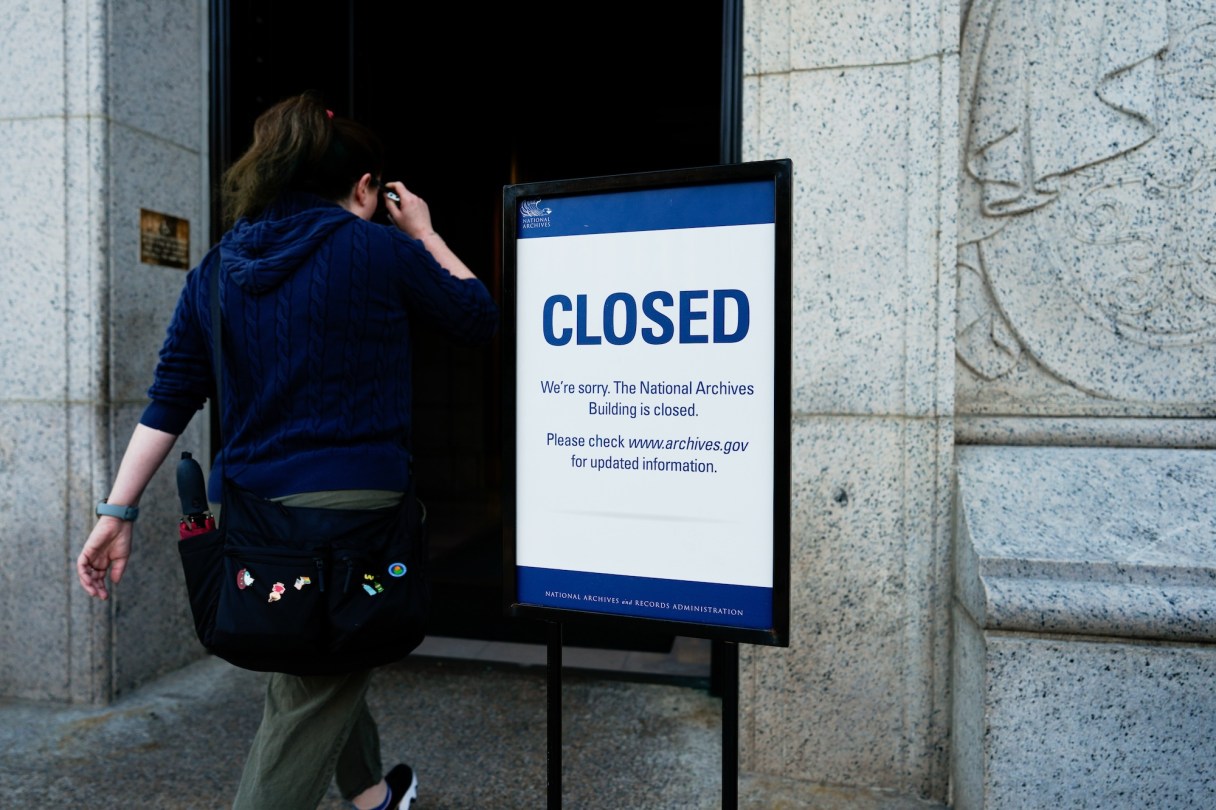
As Republicans and Democrats trade blame for the government shutdown that began at 12:01 a.m. Wednesday, and pundits opine about which side is winning, it is easy to lose sight of the real stakes. What the two parties are fighting about is whether Americans should have access to affordable health care.
President Donald Trump is seeking to deprive millions of Americans of their health insurance, and Senate Democrats are refusing to acquiesce.
The president and his congressional allies want to end some federal tax credits that reduce the cost of health insurance purchased on Affordable Care Act marketplaces. Under current law, those credits will expire at the end of the year. Without them, average monthly premiums will more than double, to $159 from $74, according to KFF, a health research group. Some Americans have already received notices of the coming price increases.
Democrats have limited ability to extend the tax credits because Republicans control both houses of Congress and the White House. But the need to pass a bill that funds the government’s operations for the fiscal year that began Wednesday offers a rare point of leverage: Republicans require the votes of at least seven senators in the Democratic caucus. This situation is not unusual. The majority party often lacks the votes to pass funding bills without help from the minority party, and the typical solution is a negotiation.
In addition to extending the tax credits, Democrats want to reverse cuts in Medicaid funding that Republicans passed earlier this year. And they want assurances that Trump will abide by the terms of any deal. The president has claimed he doesn’t have to spend the money that Congress disburses — asserting that he has the power to “impound” appropriations — which would mean any legislative deal isn’t worth the paper it’s printed on.