
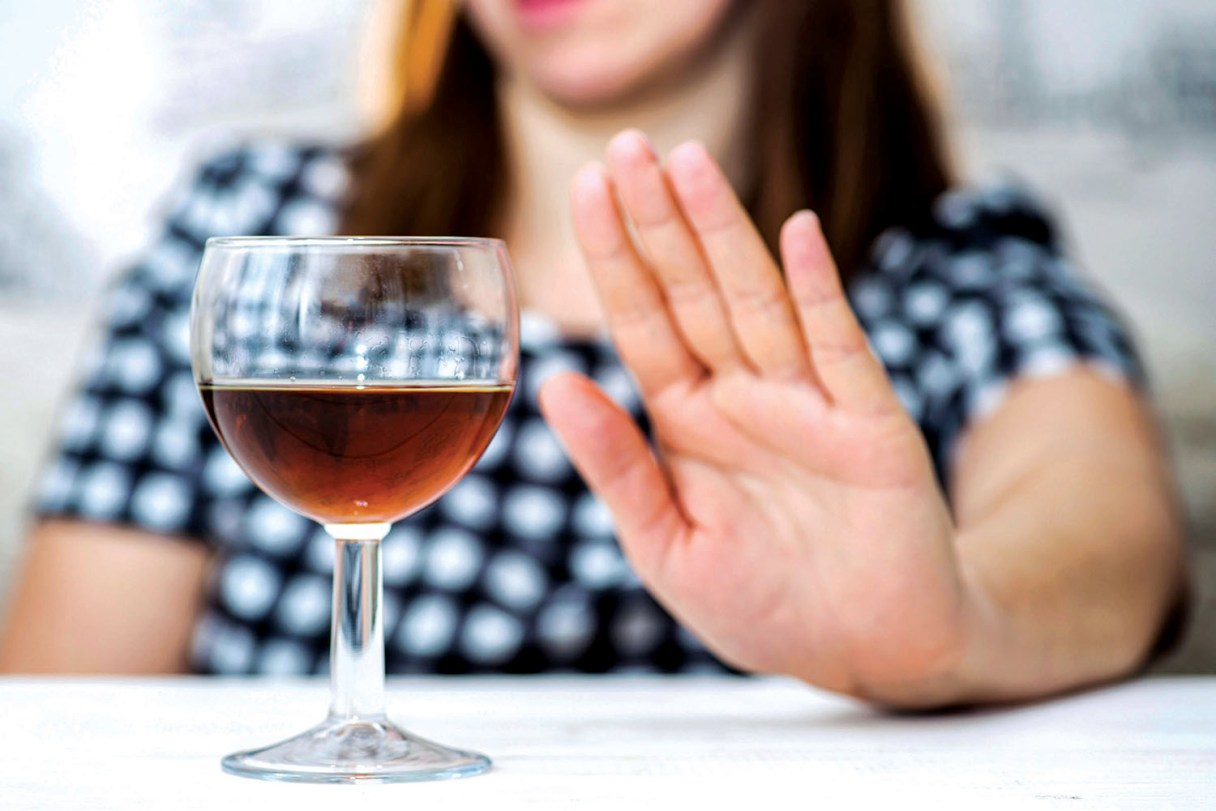
Gen Z is trading shots for sleep, serotonin and savings. With a sharper eye on mental health, fitness goals and the not-so-fun effects alcohol has on the body (and bank accounts), they’re saying “no thanks” to the hangover lifestyle. Turns out, a clear head and a good time aren’t mutually exclusive.
A Gallup survey released this year found that only 54% of U.S. adults drink alcohol — the lowest in 90 years — with both young and middle-aged adults reporting a decade-long trend of reduced consumption. Additionally, the Cleveland Clinic highlights that among Gen Z (ages 13–28 as of 2025), alcohol abstinence rates increased from 20% in 2002 to about 28–30% in 2018, both among college students and non-students.
Let’s be real: Not all of Gen Z is sober or completely alcohol-free. But compared to Gen X, millennials and boomers, they’re drinking less. An article from Newsweek mentions Gen Z’s shift toward sober culture stems from a mix of caution, health awareness and cultural change. Raised by helicopter parents and shaped by fear-driven media, they tend to be more risk-averse than older generations. Academic and career pressure also makes hangovers impractical. Plus, drunken mistakes now risk being broadcast on social media, increasing the social cost of drinking.
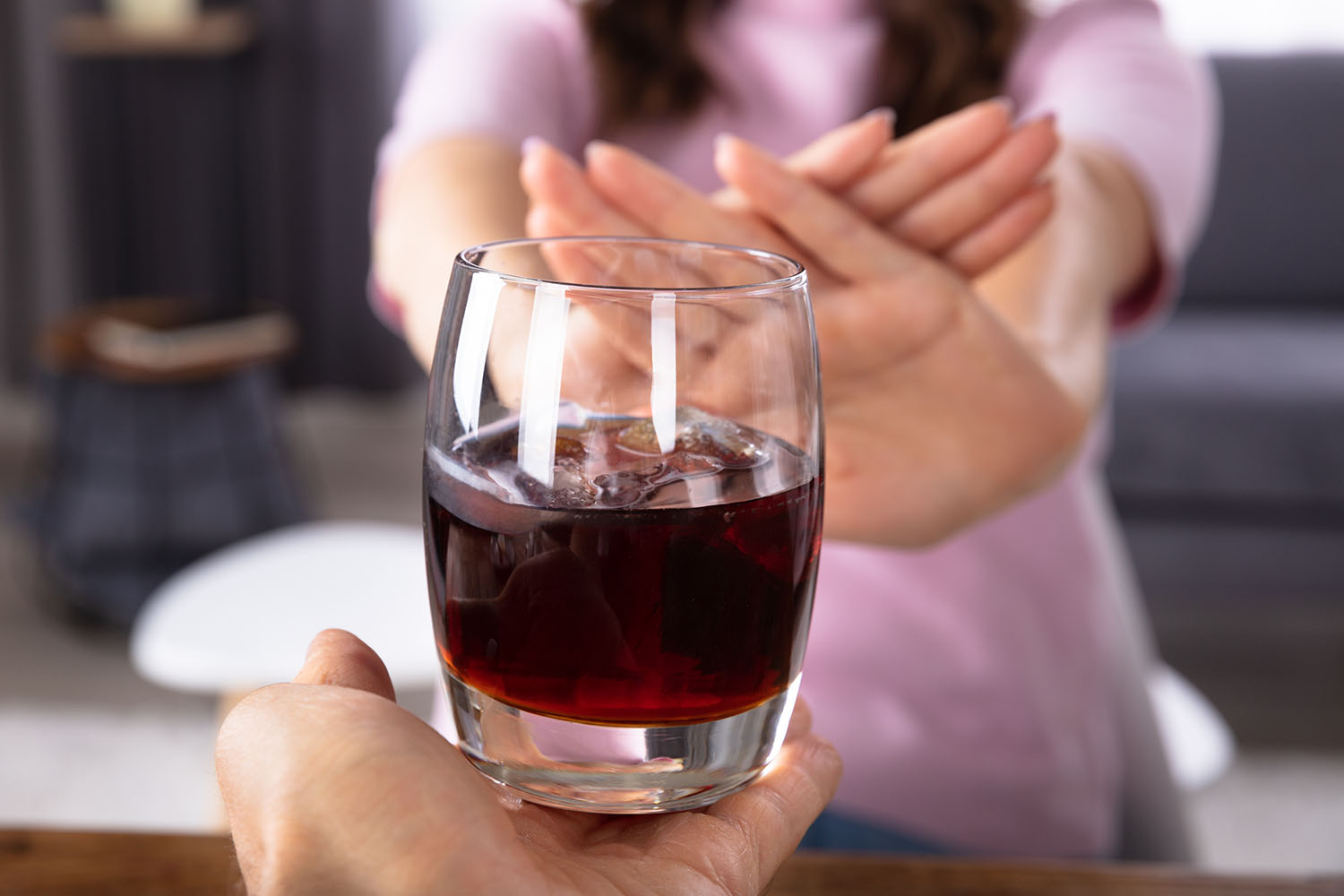
Chisara Ukegbu, a university student in Chattanooga, agrees. She explains that social media used to only highlight the fun, edited moments, making it seem like not drinking or partying meant missing out. Though some media share the negative side as well, algorithms mostly pushed what people wanted to see — so the harder truths, like harsh hangovers or scary mistakes — didn’t always reach a wide audience. Ukegbu now emphasizes how in recent years, people have become more vocal about the issues they face when it comes to alcohol.
As for her personal experiences, Ukegbu relates her sober choice to her Christian upbringing and the physical effects it has on both the body and mind. She explains that not drinking feels more accepted today. She doesn’t feel pressured and finds it easy to say no, even if it means missing out on some social activities. Ultimately, she believes staying true to her values is worth it.
Growing up, she had experiences with certain family and friends who drank, and those experiences often left her uncomfortable, especially since she was usually the sober one taking care of the others. Even after turning 21 and trying alcohol for the first time, Ukegbu didn’t see the appeal.
Annaliese Howards, a physical therapist assistant in Chattanooga, connects sobriety to both personal experience and choice.
“My family has people with alcohol problems, and so I never really wanted to drink much,” Howards says. “I’ve tried a friend’s drink before but honestly just didn’t like it and felt like there were too many negative things associated with drinking for me to want to start.”
Howards reflects that many in her generation prioritize travel, career and health — perhaps from seeing alcohol’s impact on older generations or from new medical knowledge.
Dr. Brandon Santan, a mental health counselor in Chattanooga, details his experience in the health field and Gen Z’s sober stance.

“I’ve seen a very exciting movement in society at large for holistic health and wellness, and I’ve seen Gen Z embracing healthy diet and lifestyle choices much more than previous generations,” he says.
He shares how, unlike earlier generations, conversations about anxiety, depression and trauma are now normalized, which allows young adults to make proactive, informed decisions about what they consume.
“In the different stages of their lives, people have started trying to take action to better themselves,” Ukegbu notes. “Whether being more health-conscious, working out, skincare or self-care, everyone wants to be a better version of themselves in this generation. And if that means less alcohol? Then they’ll stop drinking.”
Santan has noticed that Gen Z seems to have a higher level of independent thought and feels much more comfortable standing up for personal beliefs. Their avoidance of peer pressure, in turn, helps them make healthier decisions as they redefine what it means to be “cool.”
Gen Z faces high rates of anxiety and mental health challenges, and many find that alcohol only worsens those struggles. For them, sobriety is less about preference and more about self-preservation. According to an article by the New York Times, the health concerns of drinking have risen in the last few years. Alcohol-related deaths in the U.S. more than doubled between 1999 and 2020, and research shows that even small amounts of alcohol harm the body. Experts suggest that young people may drink less due to greater awareness of health risks, the pandemic’s impact on socializing or alcohol substitutions. Social shifts like “sober curious” movements and the rise of nonalcoholic beverages may also play a role.
Some of these substitutions include mocktails or cannabis-infused drinks and can be found at numerous locations. The Dragon, Chattanooga’s 21+ cannabis lounge, features a variety of mocktails and CBD-infused drinks, and the Plant Bar prides itself on various coffees, lattes, herbal elixirs and creative mocktails infused with CBD. In Chattanooga, a growing number of sober-inclusive spots offer alternatives for those seeking an alcohol-free lifestyle.
Ukegbu says Gen Z doesn’t need alcohol to have fun — with shopping trips, video games or binge-watching shows offered as alternative fun. Howards agrees, swapping parties for road trips, nonalcoholic slushies and sports with friends.
Santan observes how maintaining sobriety used to be viewed as “missing out” but is now viewed as an intentional choice in a larger balanced and healthy way of living. Some benefits of alcohol abstinence include stress reduction, quality sleep, increased fitness, decreased heart issues and clean nutrition. For Gen Z especially, it seems that sobriety is less about restriction and more about the freedom to live with greater purpose and better overall health.