
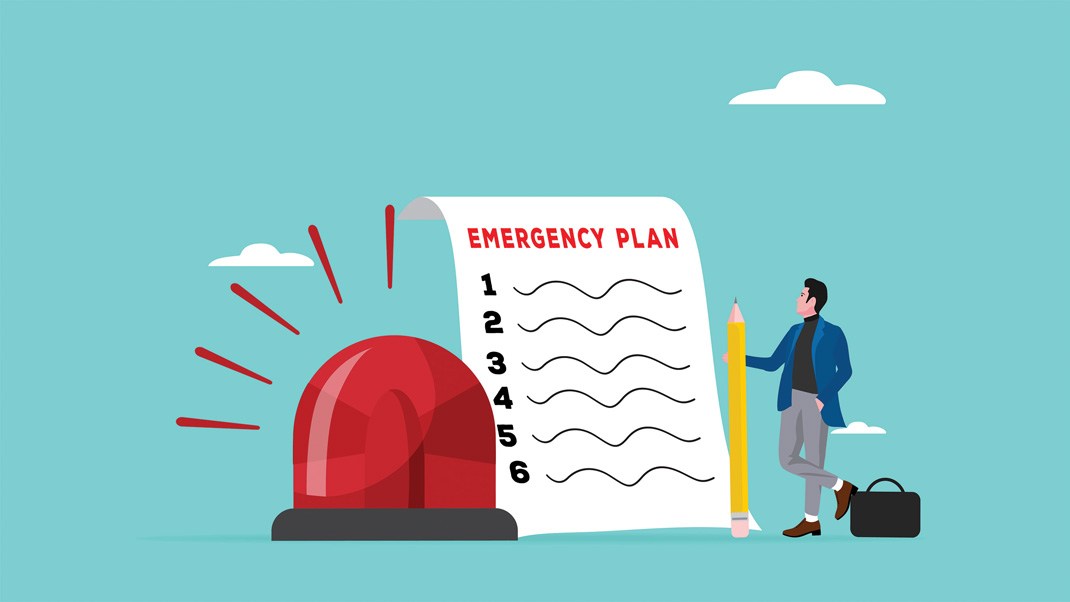
We live in a risky world. Cyberattacks, supply chain disruptions, terrorism, wars and natural disasters create stress. This is especially prevalent since the anxiety caused by the pandemic.
Hope isn’t a plan. Zig Ziglar once advised leaders to, “Expect the best, prepare for the worst, and capitalize on what comes.” John Allen Paulos noted, “Uncertainty is the only certainty there is, and knowing how to live with insecurity is the only security.”
How can we help our anxious employees feel secure? Proactive communication and training are essential. We must think ahead about “what-ifs” and prepare. Adapting our mindset is crucial. As Peter Drucker sagely shared, “The greatest danger in times of turbulence is not the turbulence — it is to act with yesterday’s logic.”
If you think everything is fine, be careful. Things can change fast. It’s urgent to prepare for tomorrow’s emergency today. Workplace safety impacts both your staff and your reputation. A tragic event can have lasting effects. As Susan Harmeling, Professor of Global Leadership, Business Ethics and Entrepreneurship at Arizona State University stated, “Trust is hard-earned, easily lost, and difficult to re-establish.”
Here are eight areas to help you protect your staff and company:
Active Shooter Training
Businesses, churches, and schools face armed attackers, and it is imperative we take this threat seriously. There have been over 125 school shootings in the U.S. this year, so it pays for any business, school or organization to prepare for this risk. The Chattanooga Police Department offers a free, onsite CRASE (Civilian Response to Active Shooter Events) program. Visit Chattanooga.gov to schedule your session.
Access Control
Another important safety consideration is implementing access control through key cards, video monitoring, intercom door release and elevator controls to restrict access. There are many independent companies to provide assessments and help you create the best access control plan for your business.
Fire Safety Training
Fire prevention training is key for employee safety. Learning to put out a fire before it spreads is crucial. The fire department and private firms can provide fire assessments, training, and protocols. Regular fire drills are vital for preparedness. This training also helps employees practice fire safety at home. Contact the Chattanooga Fire Prevention Bureau at (423) 643-5618 for assistance.
Flood Safety Training
Our recent flooding points out the need for training to protect people when flooding occurs. Providing training to your team on how to avoid flood waters while driving and other associated hazards can bear a lasting impact on your company and the community. For assistance, contact the Tennessee Emergency Management Agency(TEMA) at tn.gov/tema or call (800) 533-7343.
First Aid Training
Many workplaces and organizations have first aid kits, but is anyone trained to use them? What happens if someone has a heart attack or is seriously injured? The immediate minutes after an injury are crucial. Consult the fire department or OSHA approved companies for first aid training. One valuable tool is LifeVac (lifevac.net), which saved many lives from choking. For local training and resources contact the American Red Cross at redcross.org.
Financial Training
While not a physical threat, financial stress can affect employee performance. Offering financial classes on budgeting and investing shows your employees you care about their well-being. Dave Ramsey’s Financial Peace University is an easy-to-use course with a study guide and video series. For information on this course contact ramseysolutions.com.
Workplace Chaplains
With increased employee mental and emotional strain, many companies hire workplace chaplains for support. Employees with access to chaplains tend to be more committed, engaged and productive. Chaplains foster a positive culture, reduce absenteeism and improve morale. To learn more, contact chaplain.org.
Business Emergency Plan
Creating a solid business emergency plan is vital in uniting all departments to work extremely well in a crisis. Key components include:
* A clear chain of command
* A communication plan
* A data backup plan
* A business continuity plan for survival during a disaster
* A recovery plan for what happens afterward
Need help developing this plan? Visit here or here for excellent starting points to begin preparing your business emergency plan.
Many believe real leadership shows up during a crisis. But great leaders shine before disaster strikes. They proactively make plans to tackle potential issues.
Reen Waterman is an author, national speaker and business coach and trainer. A Charleston School of Protocol certified trainer, he trains businesses in customer service, etiquette and professionalism. He writes books for business owners and corporate executives and can be reached at his website.
*