
A mid-decade battle over congressional redistricting is playing out in state capitals, in courtrooms and on the ballot.
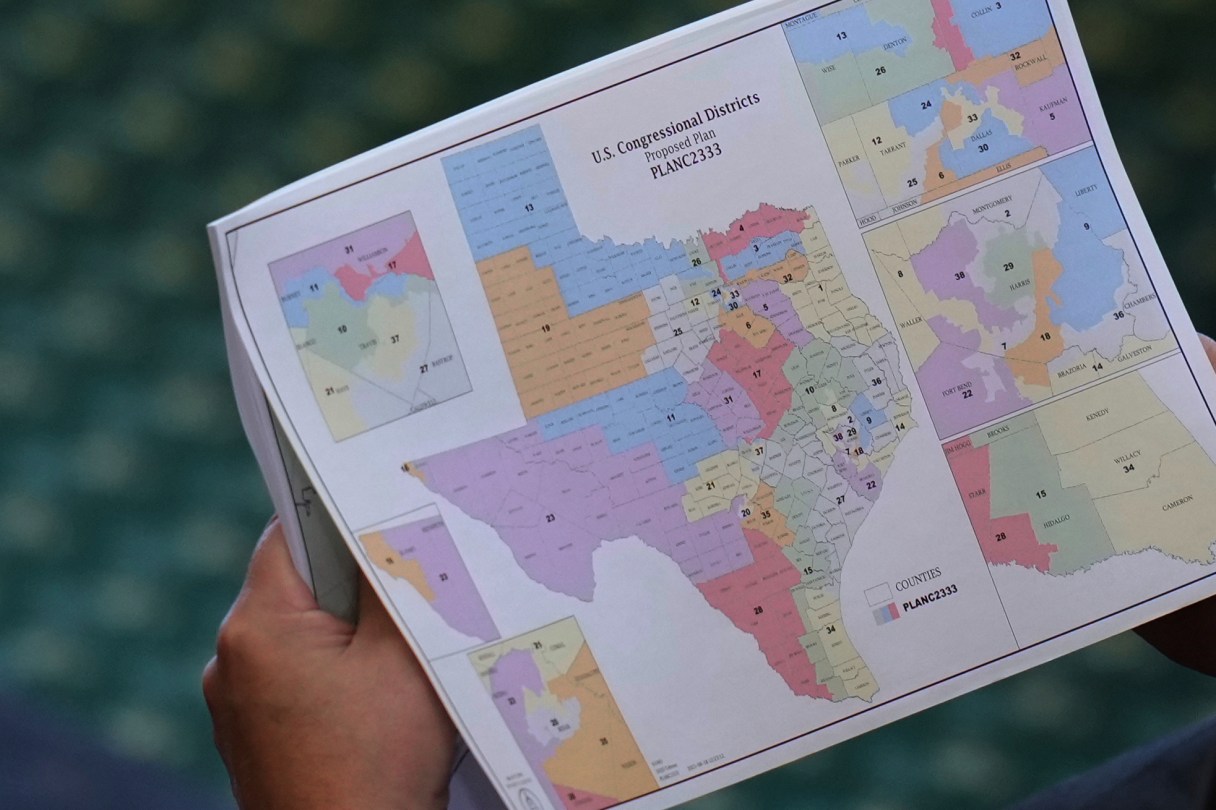
The efforts to redraw U.S. House districts for partisan advantage got jump-started when President Donald Trump called upon Republican-led Texas to reshape districts so that the GOP could win more seats in next year’s elections.
Since then, lawmakers in Democratic-led California and Republican-led Missouri have approved revised districts, and officials in more states are considering it. Utah’s Republican-led Legislature endorsed an altered congressional map Monday — though in response to a court order, not Trump’s demands.
U.S. House districts typically are redrawn once a decade, immediately after a census. But some states have no prohibition on doing it more frequently. And the U.S. Supreme Court has said there is no federal prohibition on political gerrymandering, in which districts are intentionally drawn to favor one party.
The stakes are high, because Democrats need to gain just three seats in the 2026 elections to take control of the House, which would allow them to impede Trump’s agenda. The president’s party historically has lost seats in midterm elections, a fate Trump is trying to avoid.