
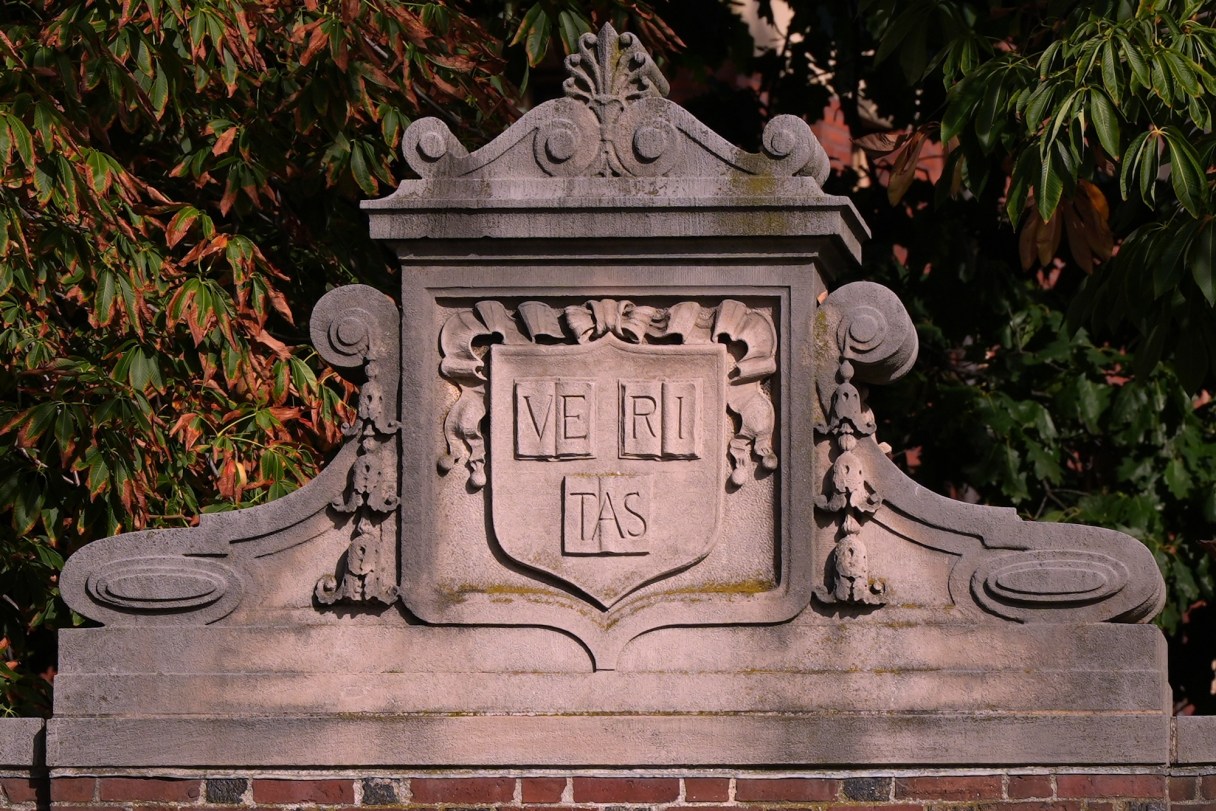
If you doubt that America’s elite universities have lost their way, consider that, as part of a settlement with the Trump administration, Harvard is considering building trade schools. Whatever Harvard’s comparative advantage is — and it has many! — it is not in vocational education.
U.S. colleges and universities attract the world’s best students and academics, and produce research that powers the global economy. But the share of Americans who have a lot of trust in higher education has declined 15 percentage points over the last decade, to 42% — and trust in the Ivy League stands at just 15%. President Donald Trump is going after America’s elite universities for a reason: Institutions that should be a source of national pride have become divisive (if not detested) because they have lost sight of their mission and why they are worthy of taxpayer support.
And what is that mission? If you listen to college administrators, they describe institutions that are less about nurturing academic excellence than about constructing an elite with the right values and sense of civic engagement.
To some extent, this impulse can be traced back to their founding. One of the original purposes of liberal-arts schools was to educate the children of elite families so they would become well-rounded citizens. In the mid-20th century, however, it shifted: Schools wanted to find the smartest students, a goal which better reflected America’s meritocratic values.
Eventually, universities combined these goals. They would take the best and brightest and mold them into the nation’s elite. But the latter goal came to dominate the former as the population grew and the competition for admission increased — as did the potential economic rewards and prestige from attending an elite university.
Since they had their pick of bright students, elite universities turned to their larger project: fixing what was broken in American society, which they saw (not unjustifiably) as stubborn racial and economic inequality and inadequate K-12 education. If it was a university’s job to select and build the nations’ elite, then administrators were going to make sure the elite reflected their values. It was not just the admissions department: The mission of shaping the political and moral views of future leaders also infected the curriculum, as professors became less tolerant of differing points of view and confused teaching opinion with teaching knowledge.
True, many students from disadvantaged backgrounds were able to transform their lives by attending elite universities. And if elite schools admitted applicants only from competitive high schools or with perfect SATs, they would further entrench inequality and immobility in America.
At the same time: Should it be the job of the university to fix what is broken in America? Especially if Americans themselves can’t agree about what that is? And even if universities accept that mission, should it become secondary to providing a meaningful education?
American universities are at a crossroads. More Americans are skeptical a college education is worth it at all.
The sooner students realize they don’t have to go to an elite school to get a great education — and those schools realize that their loftier goals may be undermining their ability to provide one — the sooner U.S. higher education can get back on track. As I’ve noted before, the best thing for both America and its system of higher education would be for its elite schools to become less elite.
Allison Schrager is a senior fellow at the Manhattan Institute.