
Editor’s note: This commentary is the first in a series from the author.
What times are these? My 81 years of life have never seen times like Americans are living through now. While I’ve witnessed cataclysmic events before — the assassinations of John F. Kennedy, Robert Kennedy, and Martin Luther King Jr.; the fall of the Twin Towers on 9/11; the Challenger explosion and more — the current time seems more frightening.
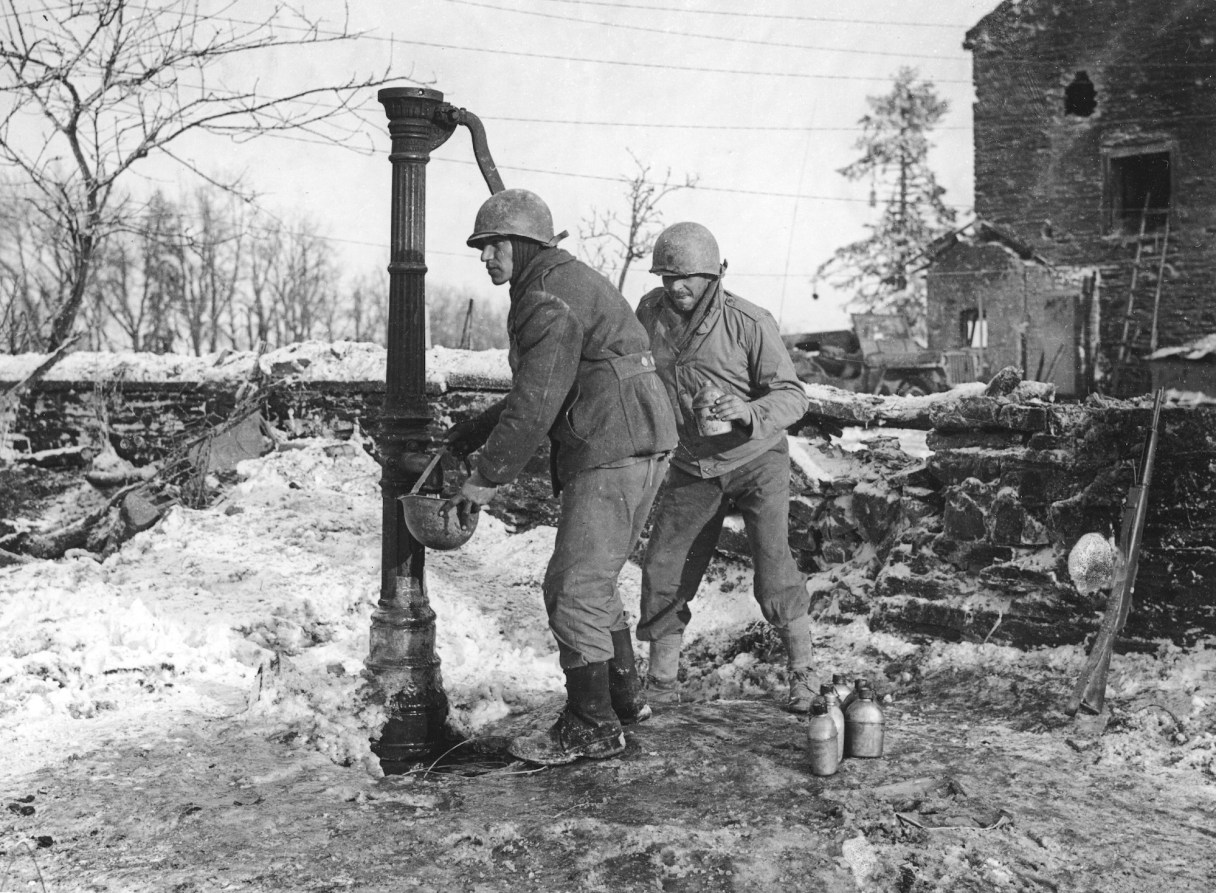
How can that be? I recently visited my last remaining uncle to celebrate his 102nd birthday. He was just 20 when he fought the Germans in one of the final key skirmishes of World War II during the Battle of the Bulge. He is still mentally sharp, still committed to the American experiment. He was trapped behind the German lines for a time but managed to narrowly escape death. He fought the Nazis without knowing what they were all about. Americans of all kinds are fighting a battle they don’t really know they are in.
I hope to share the similarities between what we fought in the Great War and today in a continuing series. I hope you can draw comparisons between our struggle with fascism in the 1930s and 1940s and our struggle today with what the United States has and could become.
How did “He Who Must Not be Named” even come to power in the first place? We start with the German love of conspiracy theories. Their ability to convince themselves they were right in every case mimics today’s conspiracy theorists. Social psychologist Professor Karen Douglas believes that most conspiracy theorists are “looking for someone to blame.” In other words, “there is someone behind the scenes pulling the strings” and this helps the conspiracy theorist with their feelings of “powerlessness and disillusionment.”