
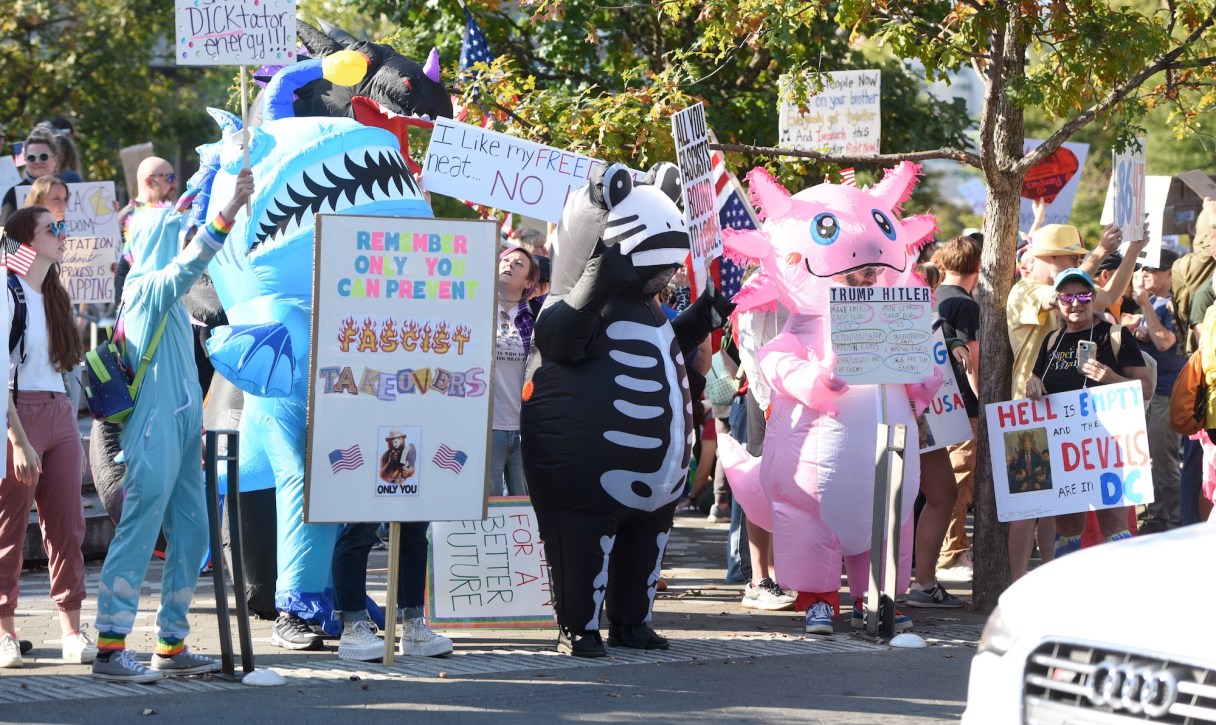
Since regaining power, President Donald Trump has claimed more executive authority than any other president in modern history. To name a few examples, the administration has unilaterally dismantled numerous federal agencies created by Congress, fired federal workers at will, demanded indictments against Trump’s perceived political enemies, continually conducted immigration raids throughout the country, and has deployed the National Guard in the nation’s cities with, in most cases, no gubernatorial approval.
The leading justification for all of this, as stated by Trump and his allies, is a supposed mandate from the American people for such policies and actions. “It’s a political victory that our country has never seen before,” Trump said in his post-election victory speech in November.
Later in that speech, the now-president claimed authority over the will of the American people: “America has given us an unprecedented and powerful mandate.” This rhetoric, throughout the first nine months of Trump’s second term, has been repeated ad nauseam by the administration and its allies to justify Trump’s overreaches of power.
Of course, even if Trump were elected in some landslide victory worthy of the mandate label, our Constitution does not grant such unilateral powers to the executive. Such a governing idea is inimical to a functioning constitutional republic. That mode of governance is more fit to a monarchy.
Thus, enter Saturday’s “No Kings” protests. In demonstrations held throughout the Chattanooga region and across the country, the public reminded Trump that his electoral victory was won by a razor-thin margin — a mere plurality of the electorate at 49.8% — that the millions upon millions who voted against him do not want a monarchical figure heading our government.