
As many as 60 Chattanooga area churches, alongside other community organizations, attended a Zoom meeting in anticipation of an increased need for food assistance as federal food aid benefits are set to lapse Saturday amid the ongoing government shutdown.
The call, organized and hosted by United Way of Greater Chattanooga, gathered churches, businesses, organizations and other entities in the city that had expressed interest in helping local families get food in the event the Supplemental Nutrition Assistance Program, commonly known as food stamps, pauses.
United Way should have upped its Zoom account to accommodate more than 100 participants, because it had to ask people to double up on the Tuesday gathering, the organization’s vice president of community investments, Abby Garrison, said via phone.
“I made the wrong calculation on that one,” she said.
If the shutdown stretches into November, some 690,000 Tennesseans who rely on the program, including 34,000 in Hamilton County, will lose access to benefits that help them afford groceries.
State Republicans, including Gov. Bill Lee, have rejected a call from Democrats that the state cover the cost of the program with emergency funding, saying it’s the federal government’s responsibility.
The local strategizing comes as attorneys general from 25 states and Washington have sued the federal government over the expected funding lapse.
The government shutdown has been ongoing for 29 days as Democrats and Republicans continue to vote down opposing budget bills. Democrats are advocating for an extension of health care premium subsidies under the Affordable Care Act, which are set to expire at the end of the year.
A spokesperson for the Department of Agriculture blamed Democrats for the lapse in funding for the food aid program and a separate but similar Special Supplemental Nutrition Assistance Program for Women, Infants and Children, also known as WIC.
“We are approaching an inflection point for Senate Democrats,” an emailed statement said. “Continue to hold out for the far-left wing of the party or reopen the government so mothers, babies, and the most vulnerable among us can receive timely WIC and SNAP allotments.”
(READ MORE: Marsha Blackburn supports stopgap food assistance funding)
Chattanooga churches, organization coordinate response to impending food aid lapse
A RECENT RISE
In the past week, United Way of Greater Chattanooga has seen a 50% increase in 211 call volume, Garrison said. The share of calls about food assistance has also risen from 30% to 56%.
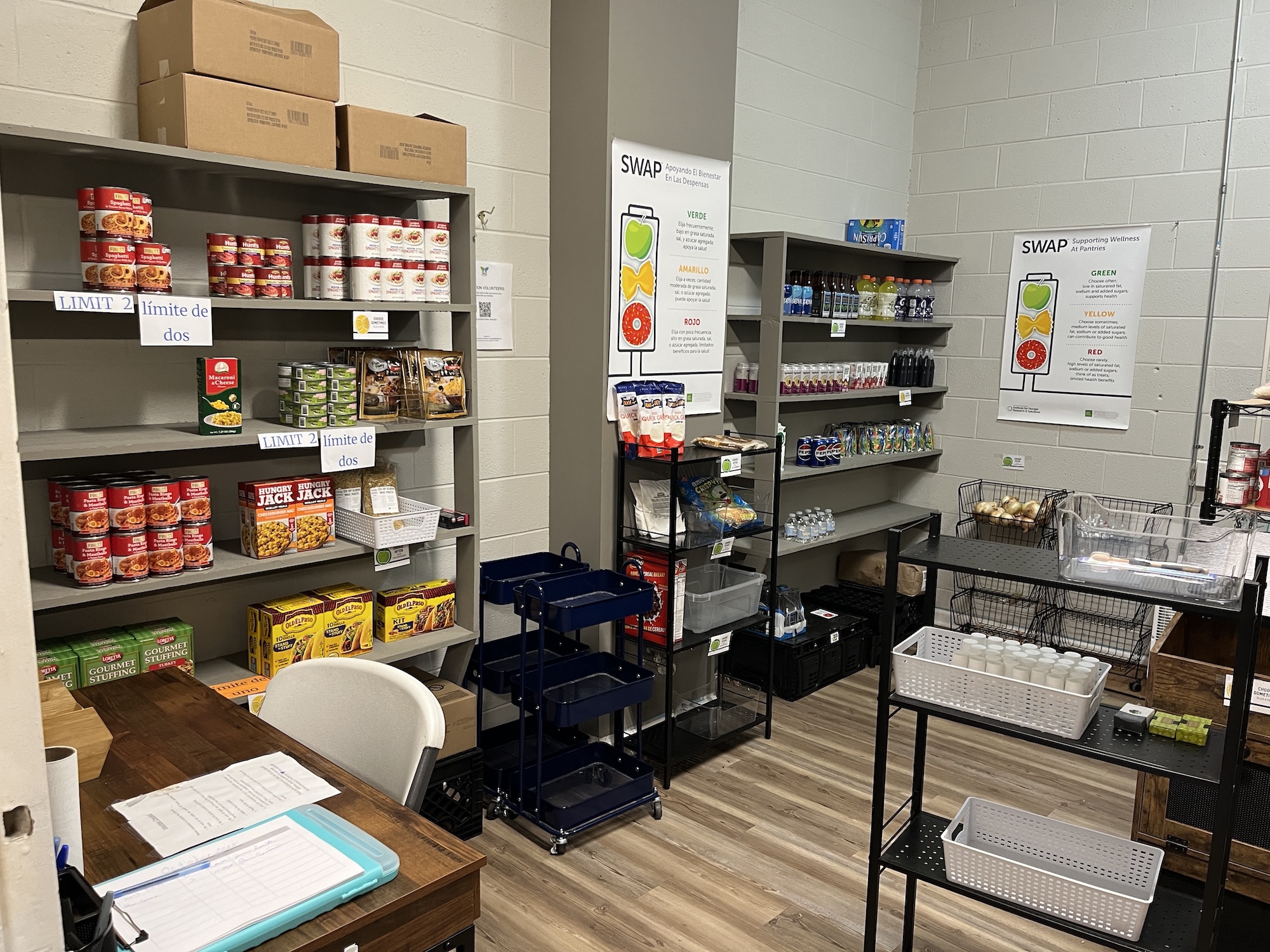
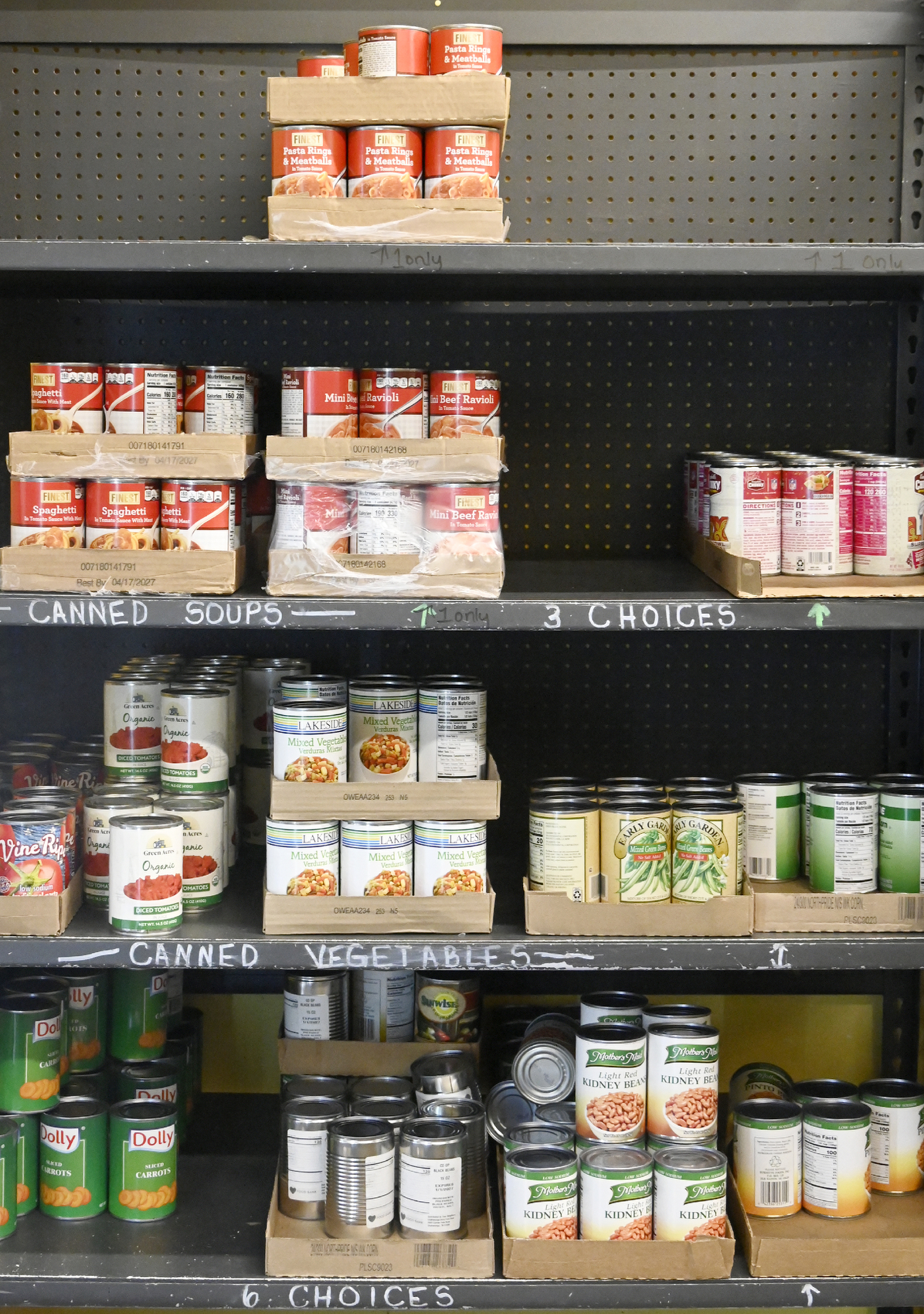
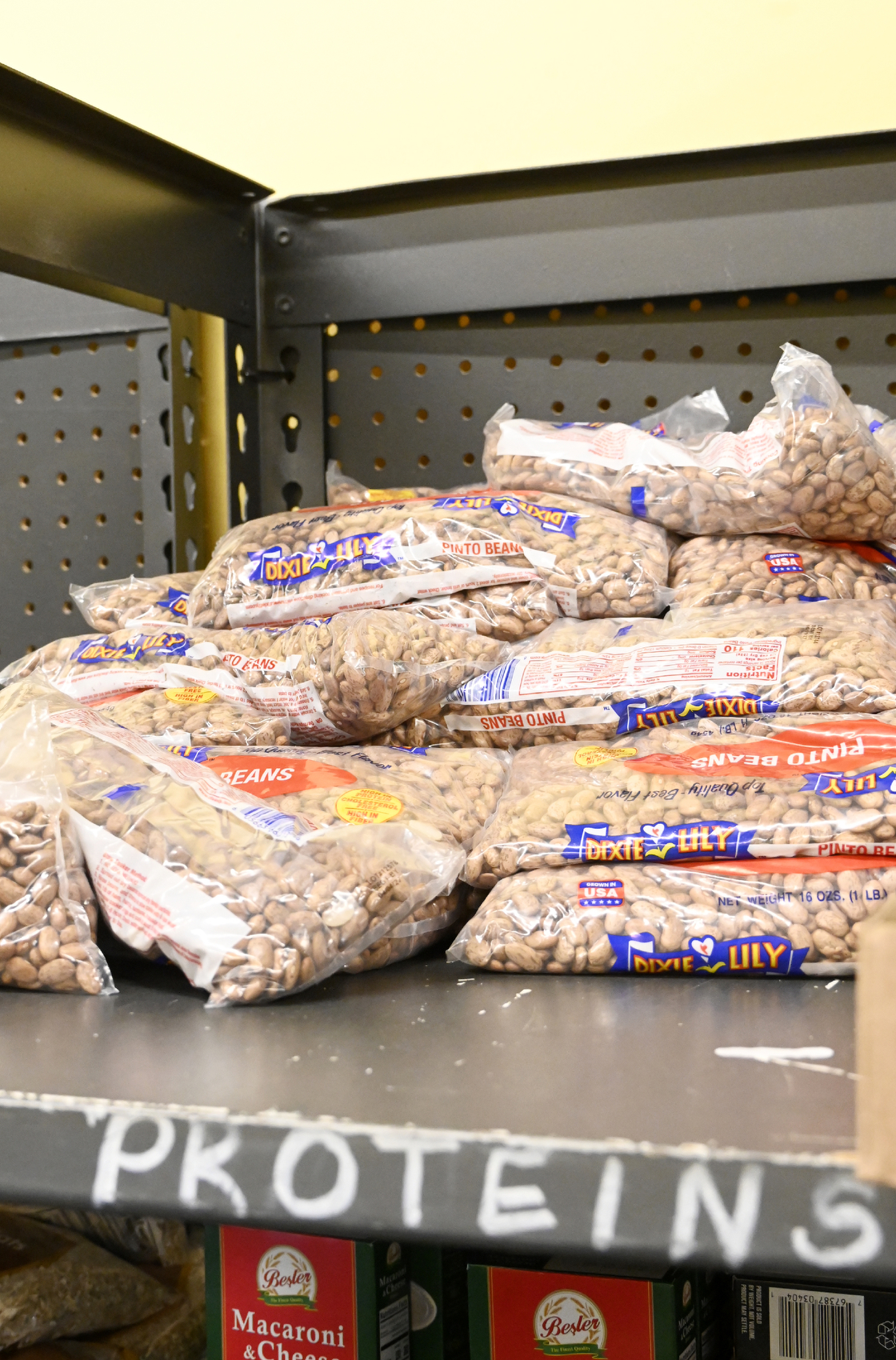
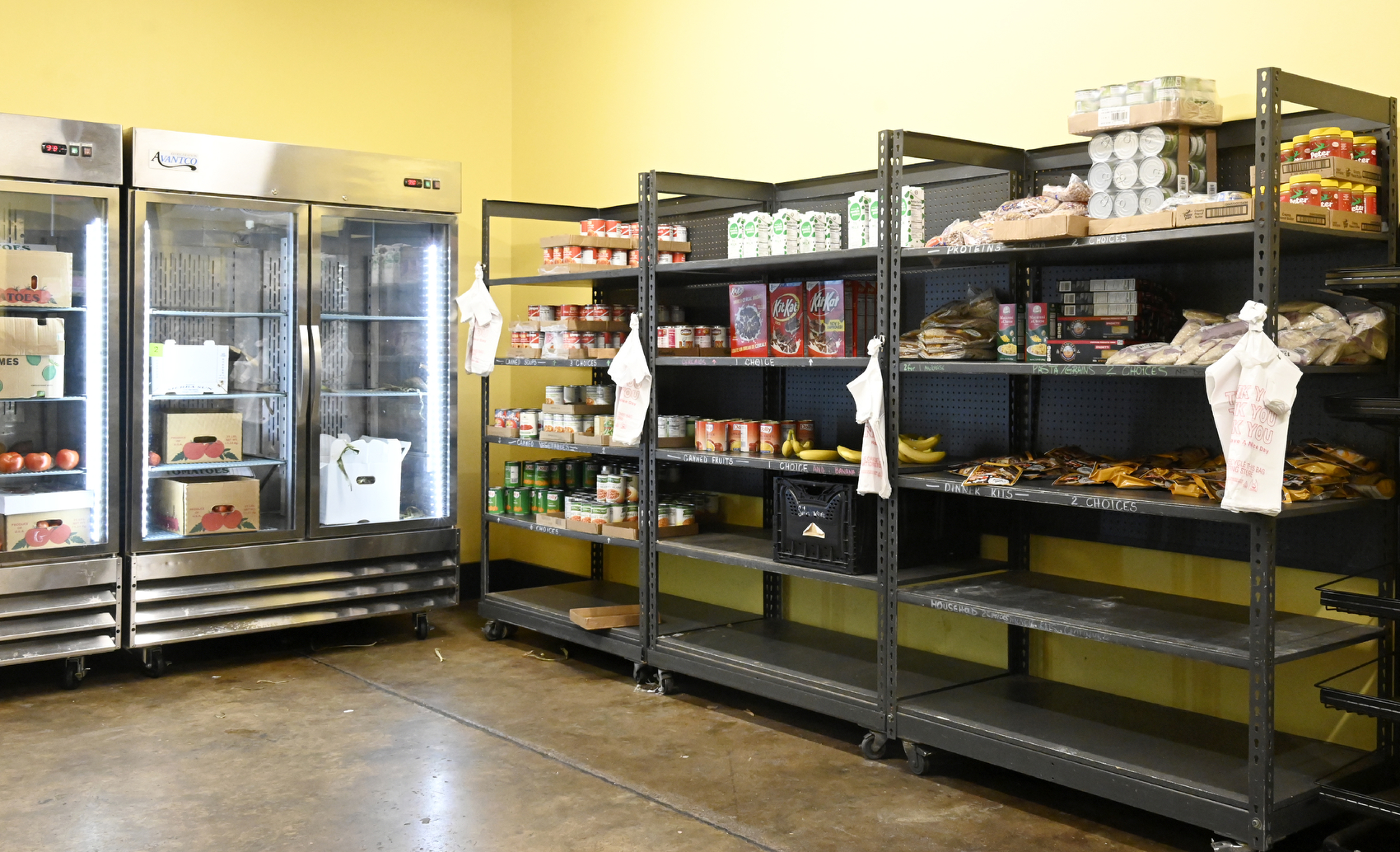
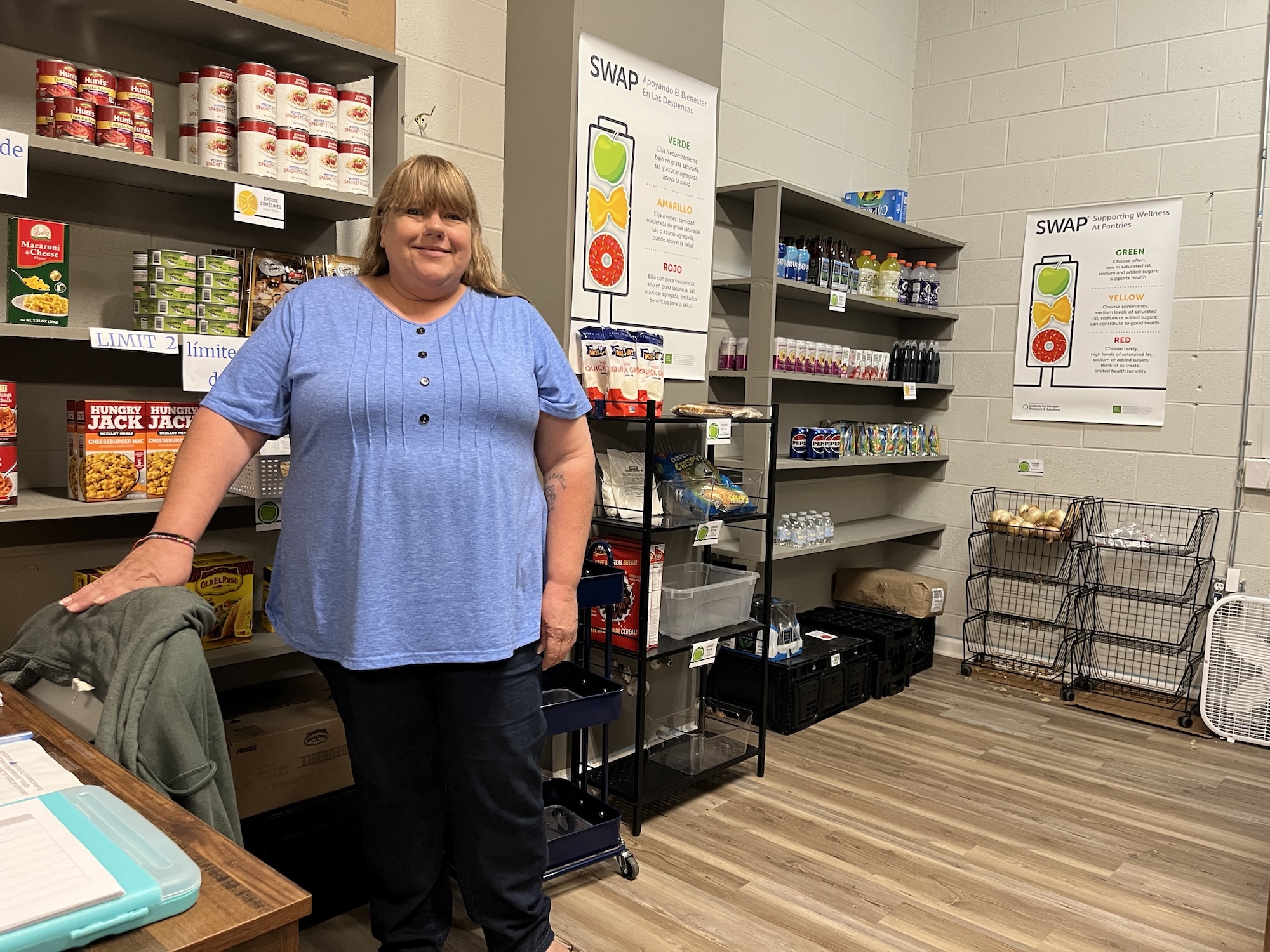
Many churches have small community food pantries and are seeing the increased need. The Rev. Amy Nutt, pastor at White Oak United Methodist Church, said the church’s food pantry has given away 20 bags of groceries in the past two days, a record number for it.
The community food pantry at Bayside Baptist Church had been contacted Monday by five or six new families looking for resources, said Laura Highlander, care and missions director at the church.
Metropolitan Ministries saw over 100 households pass through its food pantry already this week, more than is typical, the organization’s CEO, Bill Rush, said.
Once United Way noticed the spike in inquiries and realized that there needed to be a plan in place if benefits lapse, a flare, in the form of a Zoom meeting invite, was sent to a curated list of churches, businesses and organizations that United Way knew were interested in helping.
The people willing to help turned out in force on the call. Garrison was initially expecting 50 people to join. Ultimately, 124 profiles logged on.
(READ MORE: Chattanooga Area Food Bank hit hard by federal funding cuts)
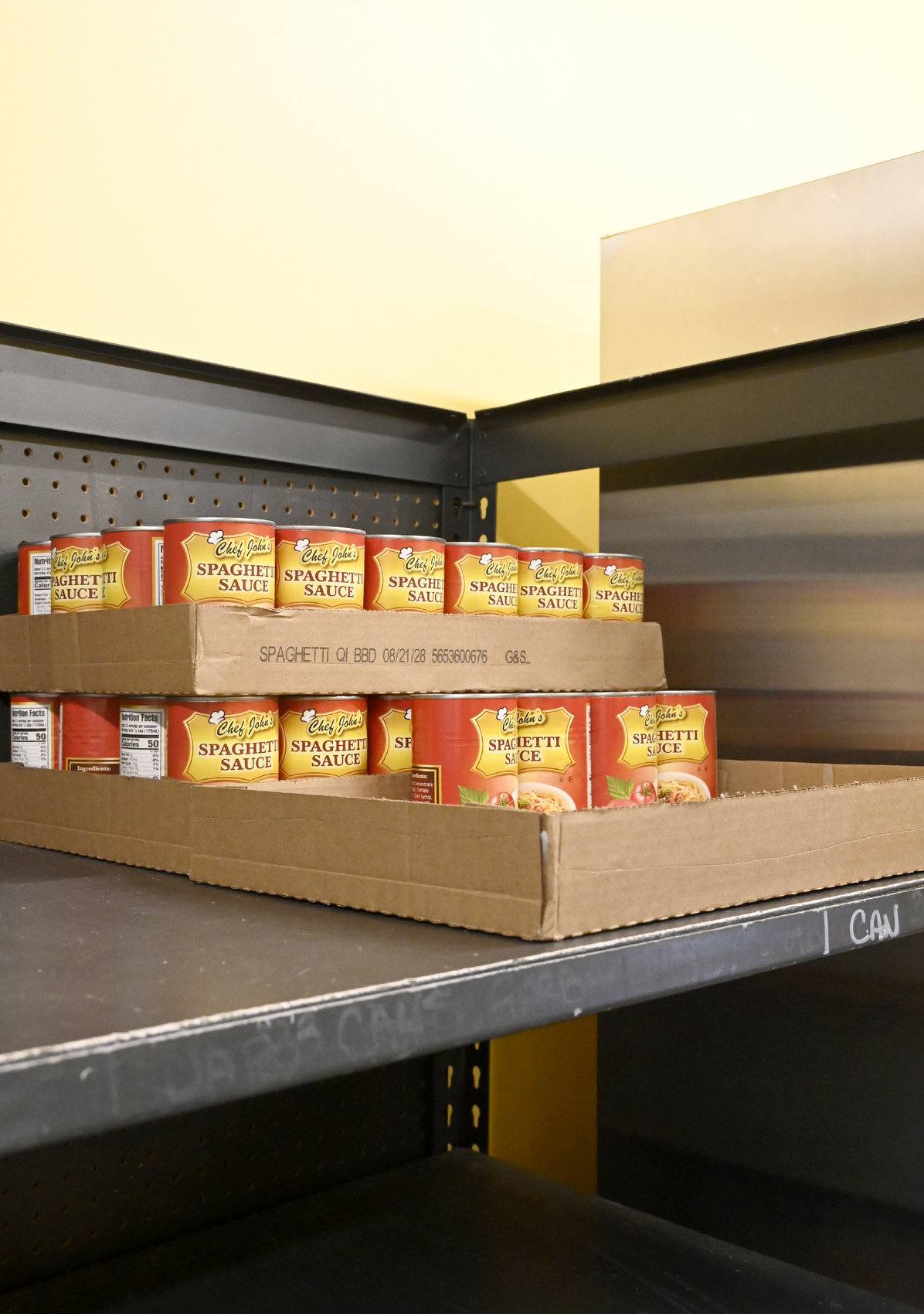
The immediate needs, Garrison said, are ramping up the amount of food available in food banks and expanding the hours that they are open to accommodate more families. According to statistics from the Chattanooga Area Food Bank’s parent company, Feeding America, for every one meal the food bank can provide, the federal program provides eight.
“They’re the main safety nets,” Ghyrn Wakefield, chief development officer with the Chattanooga Area Food Bank, said of the federal program. “So with that being taken away, we are preparing for a significantly increased need and demand from our neighbors.”
Benefits are distributed to eligible recipients on a rolling basis over the course of the first 20 days of each month. On Saturday, people who typically receive a benefits transfer to their electronic benefits card on the first of the month will not receive the benefit. Benefits will not be distributed until the government reopens or some other agreement is reached.
Participants who have value on their cards after Nov. 1, will be able to spend it on qualifying items at participating vendors.
There is no substitution for the assistance that the benefits provide, Garrison said.
“This is a huge gap to fill. The solution is federal funding has to come through on … some level,” Garrison said. “In the short term, I think what we’re trying to do is just, you know, plug holes as best we can, connect people who are willing to help to agencies who have clients who need help, making sure that we communicate ways to do it efficiently and effectively.”
No one who is working actively on plugging holes thinks that there is enough food or funding, Garrison said. It is not a good situation, and to make it through, people are going to have to get creative and take care of their neighbors, she said.
Rush, from the Metropolitan Ministries, who also sits on the United Way board, said he’s already working with other churches and organizations to make sure the community’s needs are met across the region. The collaboration, he said, reminds him of the response to the pandemic.
“When things happen, the community bonds together and starts looking at how we can all make sure that we’re working closely and connected (in) how we’re trying to fill the gap,” Rush said by phone. “It’s going to take a lot of effort from a lot of people to just try to fill the gap.”
CALL TO ACTION
Short-term, the mobilized organizations are amplifying the message about donating and volunteering at food banks.
“This is not a time necessarily to philosophize or criticize on social media. This is a time to take action and donate, or serve or do a food drive or just bring some groceries,” Wakefield said. “All the little things add up to do something huge, and we’re facing something huge.”
It feels good and effective for citizens to go buy and donate groceries, but that is not as effective, dollar for dollar, as allowing the food bank to use its scale and purchase what clients need, Garrison said.
Many churches and faith organizations have their own pantries and service projects, but the faith community turned out in force, wanting to scale up or take special collections Sunday, Garrison said.
Pray Chattanooga, a nonprofit organization with the mission to unify Christians in the area through prayer, shared information with a local network of pastors about ways churches can help, including a list of food pantries run by congregations, school social workers to help with individual families and links to the Chattanooga Area Food Bank for donations and volunteer opportunities.
The information page sent to pastors also directed them to the coordinated effort through United Way, which is working to connect those individual congregations with other small pantries and resources in their neighborhoods to maximize impact.
“We’re just trying to make sense of what’s going on and try to be as efficient as we we can, but I don’t think any of us thinks we’re going to, like, solve this problem through a Zoom call meeting and a spreadsheet,” Garrison said. “But we are trying to make the best of a really difficult situation and be as efficient and as effective as we can.”
Jamison Shimmel, chief stability officer at the Northside Neighborhood House, which assists residents of North Chattanooga, said his organization has also seen a rise in need from the community. But he added that it’s about to get even busier.
“Right now, everybody’s kind of sitting in that, ‘The water’s about to boil,'” he said by phone. “And we know it’s going to boil. We’re just waiting. It’s simmering right now.”
Contact religion reporter Kailee Shores at kshores@timesfreepress.com or 423-757-6659.
Contact Report for America corps member Jules Feeney at jfeeney@timesfreepress.com or 423-757-6431.