
Imagine walking through a convenience store and seeing a bright red package filled with small, strawberry cream-filled waffle cones. Next to it are single-serve fruit-flavored drink mixes that appear to be hydration packets. While these might sound appealing, they actually contain a compound that can be 13 times more potent than morphine.
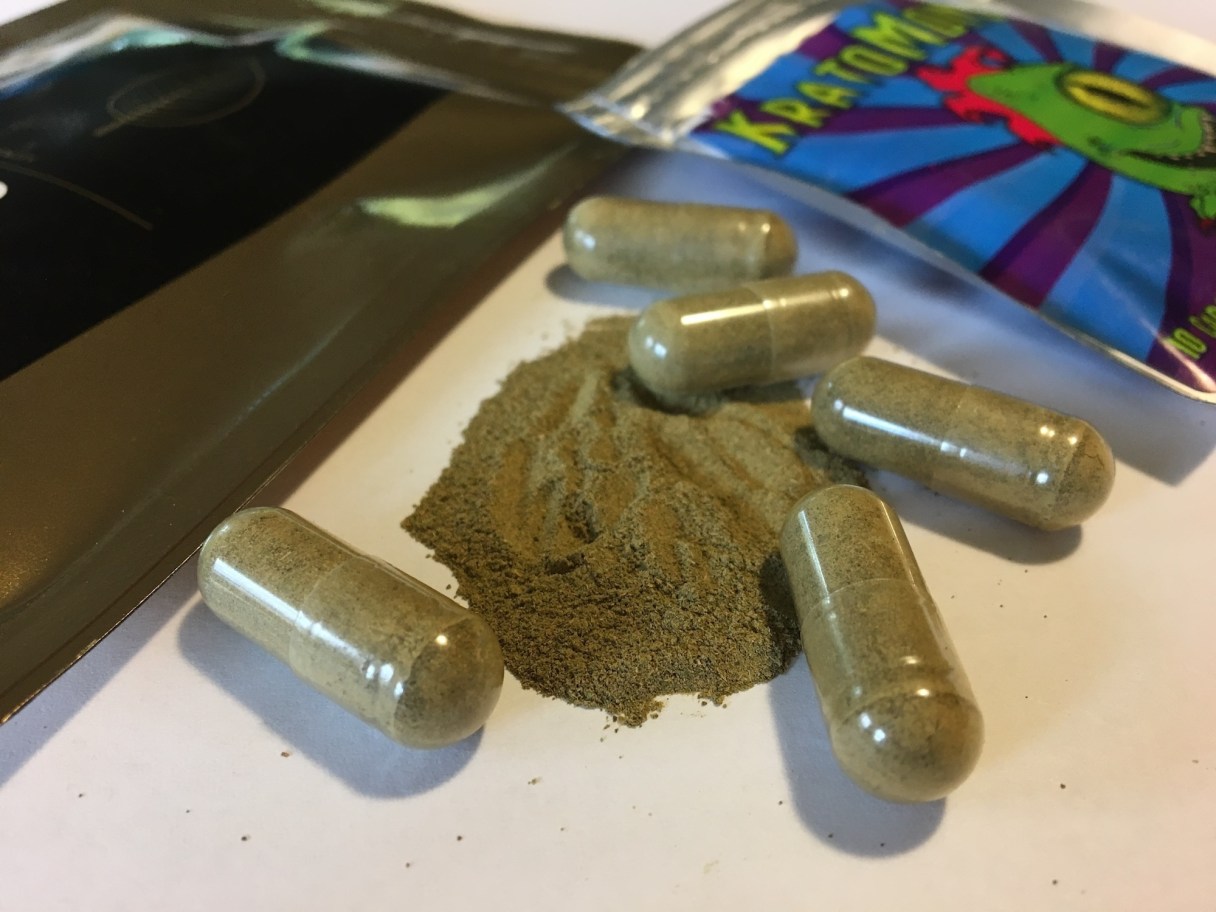
I’m talking about 7-hydroxymitragynine (7-OH), which is a byproduct of kratom, a tropical tree native to the wetlands of Southeast Asia. Commonly referred to as “gas station heroin,” it’s frequently sold as a tablet, capsule, extract or even herbal tea.
I was first made aware of the dangers of this substance from a Hamilton County mother who was devastated by its fatal side effects. Her son, Matthew Davenport, a longtime Chattanooga resident, tragically lost his life in 2024 following a lethal interaction between his doctor-prescribed medication and kratom. A grandson, brother, and uncle, Matthew’s life was cut short because of something that should never have been available in Tennessee.
The unfortunate reality is that these dangerous products are found on shelves in gas stations, vape shops, and liquor and convenience stores throughout the Volunteer State.
Americans are being misled into believing kratom and its derivatives are “wellness supplements” that can safely alleviate pain, enhance moods and reduce anxiety.