
President Donald Trump is moving systematically to change the rules governing American elections — and creating a lose-lose situation for democracy in the process.
If he succeeds in changing election rules, he could tilt the playing field enough that the GOP maintains control of Congress regardless of whether most voters want that outcome. If the courts stop him, he will have more ammunition to claim that Democratic victories relied on fraud — and to pressure GOP officials in the states and Congress to throw out those results.
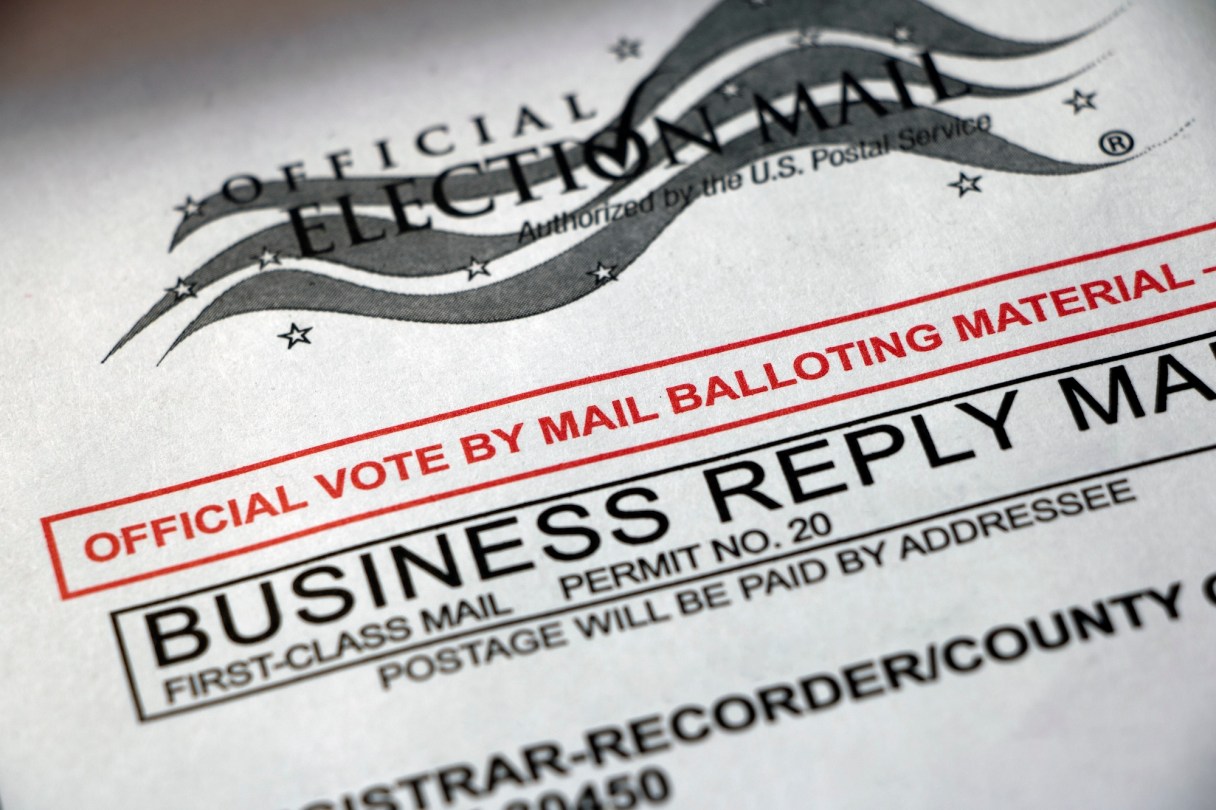
The magnitude of the gathering risk goes far beyond his pressure on Republican states to gerrymander new Congressional districts, or even his repeated threats to ban mail voting. Those threats against mail voting exceed his legal authority so obviously that election law experts agree there’s virtually no chance courts would uphold such an effort.
As a result, there’s a natural tendency to treat Trump’s fulminations as empty bluster. But that would be dangerous. If anything, the possibility that he could somehow prevent Americans from voting by mail is less ominous than the deeper meaning in his tirades: that he wants to seize centralized control over election administration from the 50 states.
Should Trump try to bar mail voting through unilateral executive action, it would run head-on into the Constitution’s elections clause. That clause gives states the authority to set “The Times, Places and Manner of holding Elections for Senators and Representatives” while reserving authority to Congress to supersede the states’ decisions.(1)