
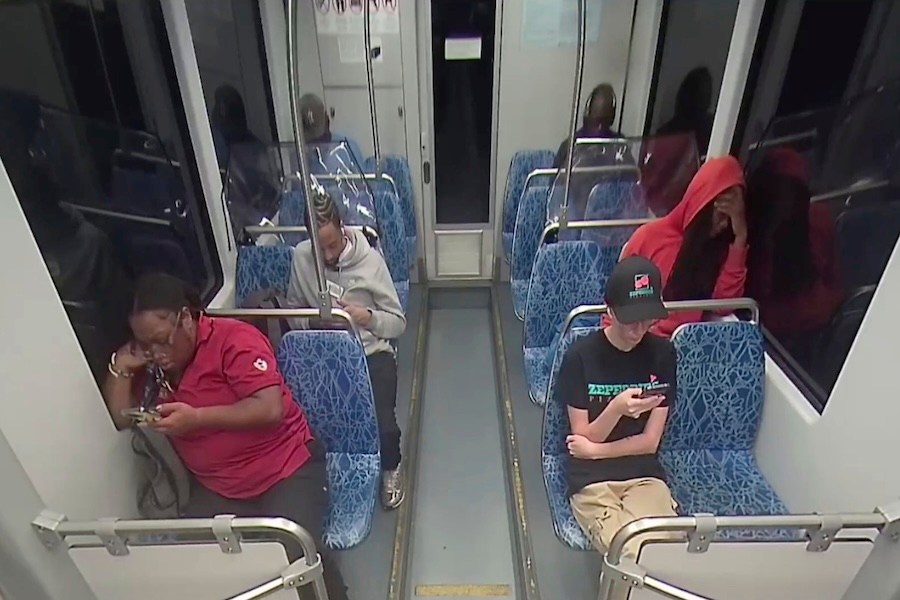
After Decarlos Brown Jr. was arrested for the fatal stabbing of a Ukrainian refugee aboard a North Carolina commuter train, he was quickly sent to a state mental hospital for an evaluation. It was a sharp contrast from a January misdemeanor arrest, where it took more than six months for a court to order a mental evaluation after Brown told officers that he had been given a human-made substance that controlled when he ate, talked or walked.
The Justice Department on Tuesday charged Brown, 34, with causing death on a mass transportation system last month when he allegedly killed 23-year-old Iryna Zarutska in what has become the latest flashpoint for the White House’s efforts to paint Democratic-led cities as havens for violent criminals.
The January arrest was just one of the missed opportunities in Brown’s criminal history, according to experts. He had cycled through the criminal justice system for more than a decade, court records show.
“I think there are multiple failed opportunities here, in the mental health space and in the criminal justice space,” said Kenneth Corey, a former department chief for the New York City Police Department who now teaches at the University of Chicago Crime Lab’s Policing Leadership Academy.
Decarlos Brown could have faced a federal charge before