
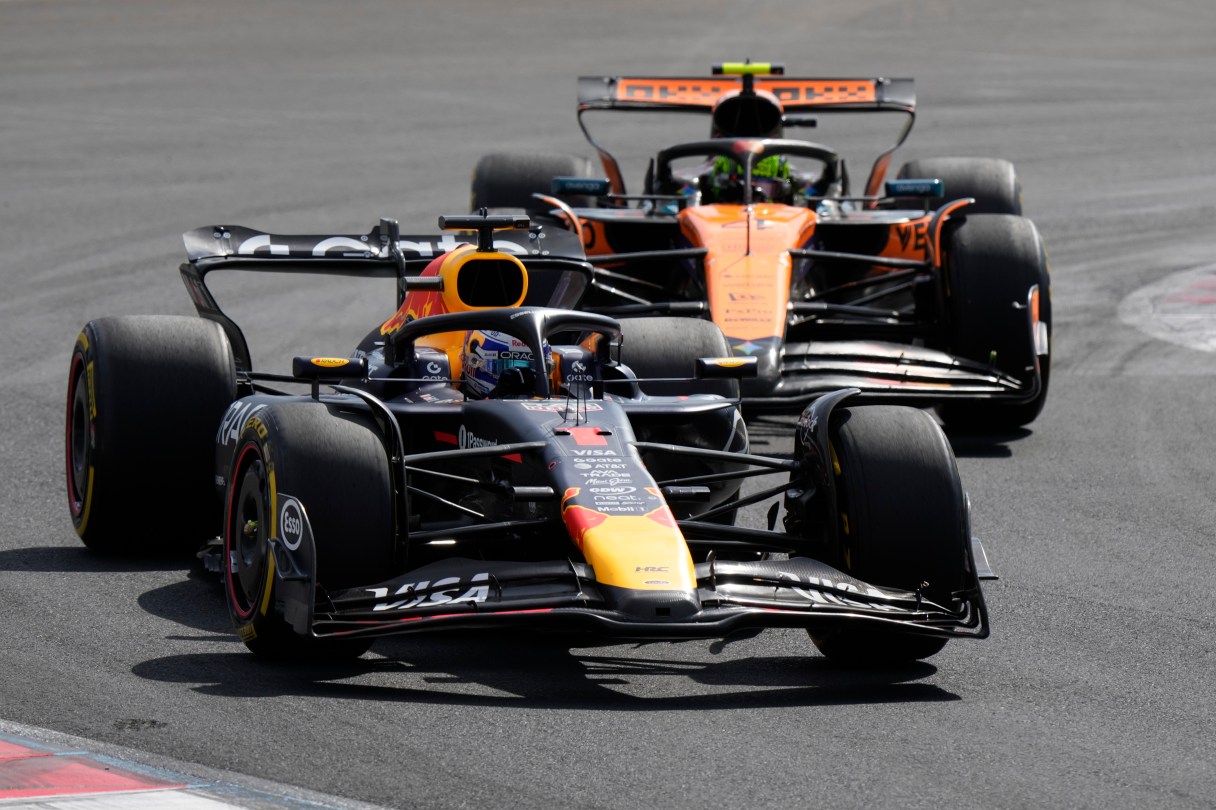
Next year, Formula 1 will experience one of its biggest changes in a generation.
Sweeping new regulations will change how cars look, sound and run. The goal is to make them more “agile, competitive, safer and more sustainable,” governing body FIA says. Some teams all but abandoned their 2025 car designs early this year in search of the biggest boost they could get in 2026.
The Associated Press spoke with Nikolas Tombazis, who is overseeing the transition to the new rules as the director for single-seater racing at the FIA, to explain how the changes will affect the action on track and what could still change.
Teams are guarding their development data, but what has become public suggests the slowest cars could be way off the pace.
Tire manufacturer Pirelli has confirmed to AP that estimated lap times it has received from teams vary by as much as four seconds, a relative eternity in F1. Tombazis acknowledges new engine manufacturers may need extra development time to catch up on “15 years of know-how” from the likes of Mercedes.