
After President Donald Trump signed a proclamation Friday to add a $100,000 fee for new applicants of H-1B visas for skilled foreign workers, two technology leaders reacted in opposite ways.
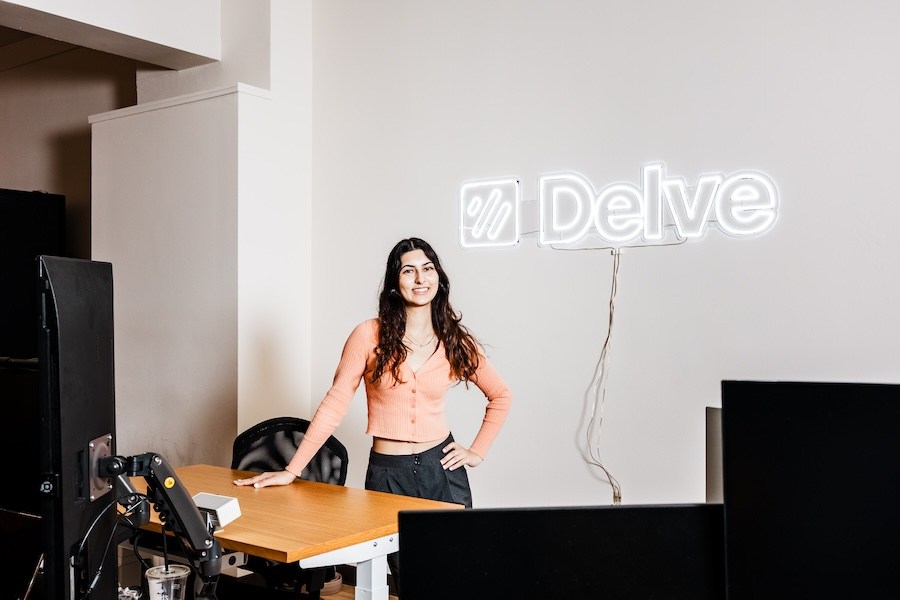
Selin Kocalar, 21, the chief operating officer of Delve, an artificial intelligence startup in San Francisco, learned of the change from a new employee who had just been approved for the H-1B visa. She said she was grappling with what the fee meant for hiring at her 23-person company, which has raised $35 million in funding.
“As a startup, you’re always tight for cash,” she said. “So you can’t go out and spend a bunch of money or have that kind of luxury that you’d see at a bigger company.”
In contrast, Reed Hastings, the chair and co-founder of Netflix, did not blink. The $100,000 fee “is a great solution,” he posted on social media Sunday. “It will mean H-1B is used just for very high value jobs.” Netflix, which has approximately 14,000 employees, pulled in more than $11 billion in revenue and $3.1 billion in profit in the most recent quarter.
The different responses show how the Trump administration’s visa change is rippling through the tech industry — which uses H-1Bs to hire thousands of software engineers, AI specialists and others — in a way that may create haves and have-nots. While the biggest tech companies have the money to absorb the new fee, startups are concerned about their ability to attract and pay for talent, particularly when they have limited funding and agonize over every dollar spent.