
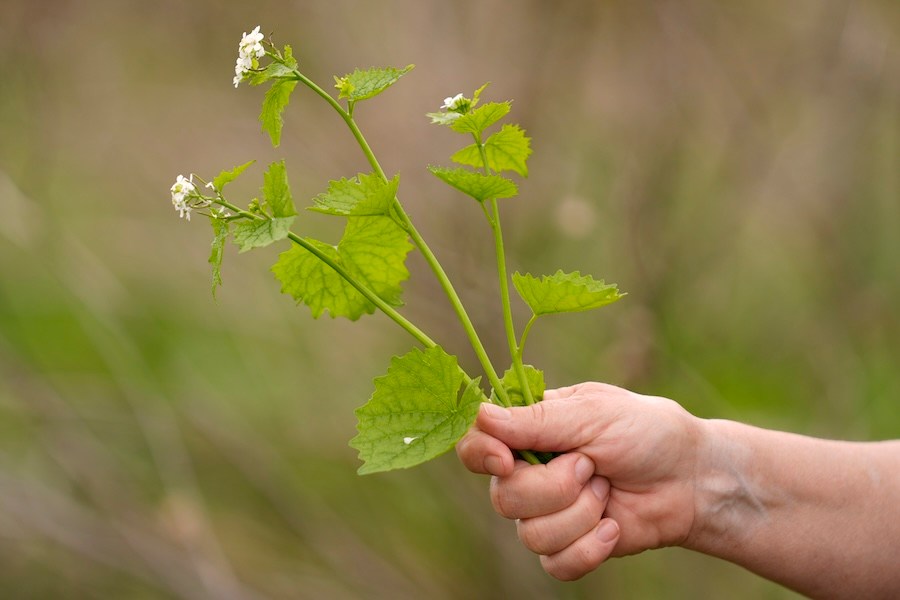
BOSTON (AP) — Amid renewed interest in foraging for edible wild plants, mushrooms and other foodstuffs, experts caution aspiring foragers to prioritize safety, plan carefully and learn proper identification. Here are some things to consider before venturing out to gather food from forests, urban landscapes and elsewhere.
Confirm plant identification
It’s critical to avoid accidental poisoning. If you have even the slightest doubt about a plant’s safety, don’t touch or taste it. Relying solely on photos from a quick online search also can be dangerous, as those are often misidentified, said Iris Phoebe Weaver, a longtime herbalist and foraging instructor in Massachusetts.
Know toxic look-alikes
Many wild edible plants have poisonous doppelgangers. A variety of printed field guides advise foragers to familiarize themselves with the dangerous species in their area, including potential similarities to edible plants they intend to harvest.