
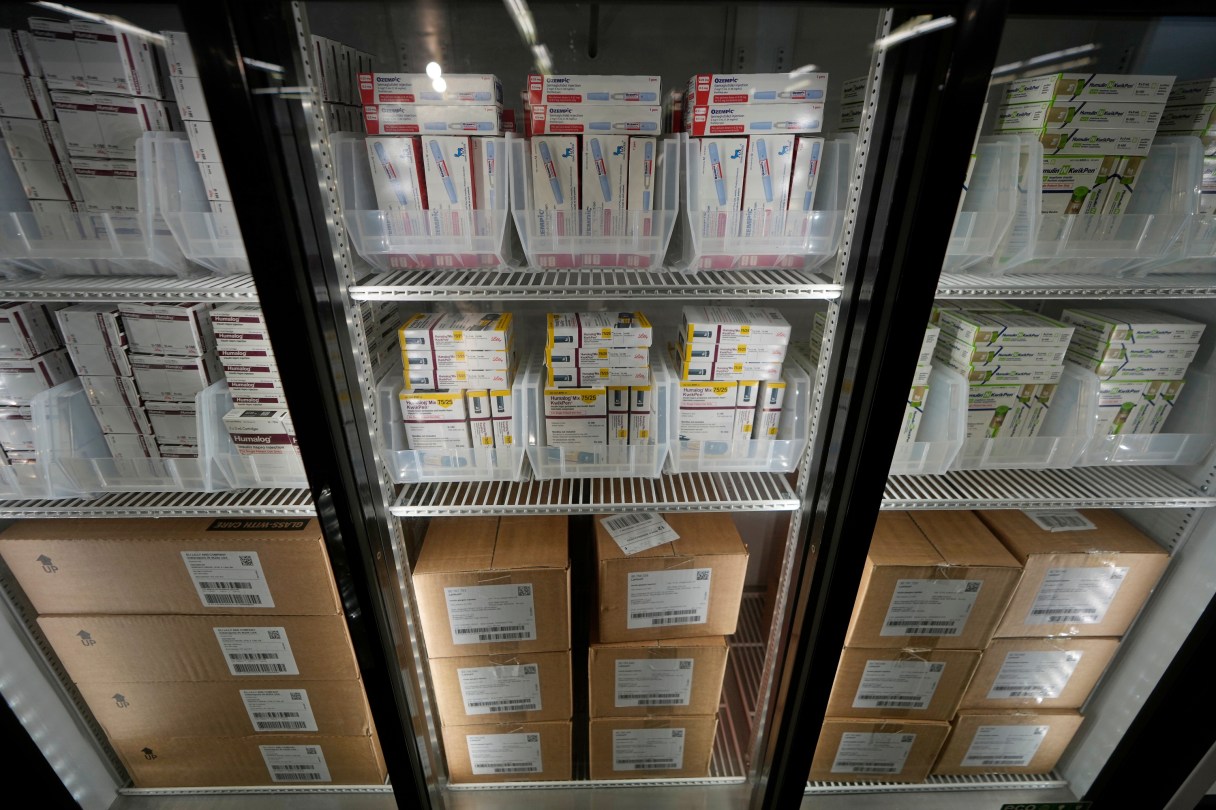
NEW YORK (AP) — Two-year-old Bain Brandon has Type 1 diabetes and needs insulin to live. But even with health insurance, the price tag isn’t cheap.
A one-month supply of insulin vials and a three-month supply of backup pens for the Mississippi toddler cost his parents $194 last week, according to his mom, 29-year-old Marlee Brandon. They can afford it right now — but she worries about the future.
“One day, Bain will be an adult, and he won’t be able to be on our insurance anymore,” she said. “I feel like a lot of people don’t realize how much and how expensive it is.”
A bipartisan group of senators is aiming to relieve that cost burden with the INSULIN Act, a bill to cap the cost of the lifesaving drug at $35 per month for Americans with private insurance plans. The bill, introduced last week by Sens. Jeanne Shaheen, D-N.H., Raphael Warnock, D-Ga., Susan Collins, R-Maine, and John Kennedy, R-La., would also start a pilot program to provide more affordable insulin to uninsured Americans in 10 states. A somewhat similar bill passed in 2022, as part of the Biden-era Inflation Reduction Act, a sweeping package from Democrats that successfully capped the drug at $35 per month for older adults on Medicare.
The legislation, the latest in a long effort by some lawmakers of both parties to rein in the price of insulin, faces many hurdles, including concerns about the cost and other competing congressional priorities. Still, with Trump in the White House and Congress now controlled by his Republican Party, it creates an opportunity for a rare bipartisan victory on health affordability in a year when rising health care costs are a concern for voters of both parties.